

LIVER DISEASE, DIABETES AND CANCER | 1990s – 2020s
Unveiling an unknown enzyme
How a lifetime of dedication has led to a new understanding of liver disease, diabetes and potential cancer treatments
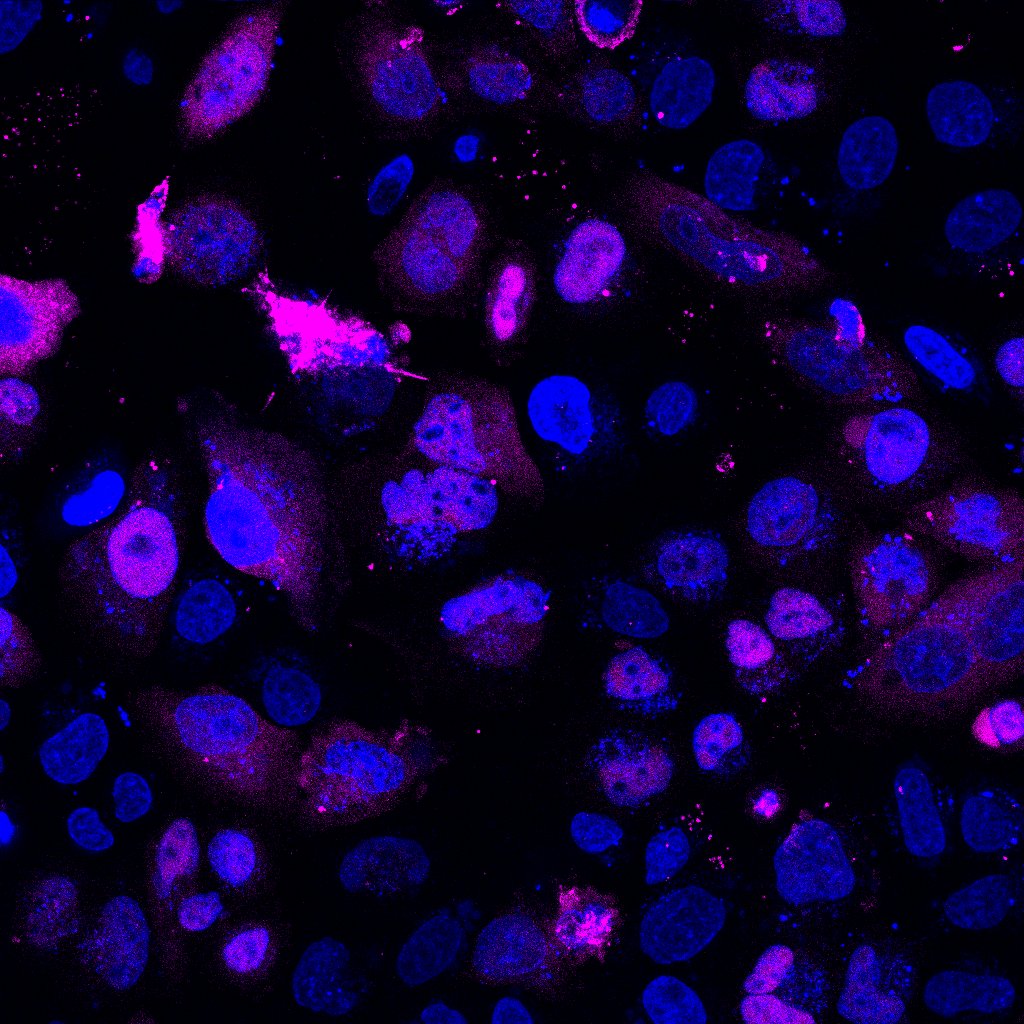
Professor Mark Gorrell has dedicated over 30 years to researching the DPP4 family of enzymes. It’s a mission that’s driven the design of diabetes drugs, and paved the way for new treatment approaches in liver disease, cancer and rare immune disorders, thus completely realigning the focus for future medical innovation.
“I woke up at 4AM one morning in 1993, and decided to discover new enzymes. I’d been studying DPP4 and realised there had to be more in the enzyme family. It turns out there were three more, and I discovered two of them, DPP8 and 9. I’ve been looking at that enzyme family ever since,” says Mark, whose research is primarily on chronic liver diseases and diabetes.
It’s that curiosity and passion that have been the driving force behind the game-changing discoveries that began in 1999 when Mark and his team at the Centenary Institute first discovered and cloned the DPP9 enzyme.
Discoveries that influenced diabetes treatment
DPP9 (Dipeptidyl peptidase 9) is part of the DPP4 family of enzymes, used to target diabetes. It exists inside most cells in our bodies. The team set about understanding its functionalities. What they found would change the world’s approach to diabetes treatment.
Diabetes is a disease that can lead to a range of life-changing illnesses and complications due to prolonged high blood sugar, which can damage blood vessels, nerves, and organs.
People with diabetes are also more prone to fatty liver disease, which in severe cases can lead to fatal liver failure or liver cancer.
Knowledge of DPP9 led to the discovery that it is essential for survival, so any DPP4-targeted diabetes drugs must not also target DPP9, or there could be dangerous side effects.
This revelation ensured that DPP4-based diabetes drugs are designed to have little or no effect on DPP9. Without that knowledge, there wouldn’t be the safe and effective diabetes treatment that is helping millions of people today.
Hope for cancer treatments
The key now is to further uncover how DPP9’s functionalities could be exploited for clinical use, including treatments for cancer – the second leading cause of death globally.
Progress is already well underway. In 2022, Mark, in collaboration with German research institutions, found that the DPP9 enzyme regulates a protein known as BRCA2, a well-known suppressor of tumour growth.
The finding suggests that targeting DPP9 could be an effective therapeutic approach to tackling cancer.
“BRCA2 suppresses tumours by enhancing DNA repair. Some tumours, such as breast cancer, grow because the BRCA2 protein inside a cell in our body is defective, thus causing insufficient DNA repair,” says Mark.
“We were able to find proof that BRCA2 is regulated by the DPP9 enzyme. When we removed DPP9 from cells, DNA repair slowed down. Paradoxically, lowering DPP9 levels in the liver caused fewer tumours to develop.”
In 2025, the team made significant progress in understanding DPP9’s role in liver cancer, which accounts for close to 8% of all cancer-related deaths in Australia.
They reported that turning off the DPP9 gene in liver cells led to improved blood sugar control, lower body and liver fat, and fewer liver tumours.
“DPP9 does a lot of work inside cells, but this study shows that when it’s switched off in a damaged liver, the cells manage better and may be less prone to forming tumours,” says Mark.
The dedication to this family of enzymes is indicative of the Centenary Institute’s tenacious approach and an ethos that gives researchers the freedom to pursue their instincts and uncover the knowledge that improves human health and saves lives.