
Skip to content
Home page - Centenary Institute Centenary Institute

Primary menu

  • Research
        • Research

          The latest medical research into our most complex health challenges across biomedical AI, cancer, cardiovascular diseases, immunity, age-related, rare and infectious diseases.

          Learn more

        • Biomedical AI
        • Cancer Innovations
        • Cardiovascular Research
        • Healthy Ageing
        • Infection & Immunity
        • Rare Diseases & Gene Therapy
        • Laboratories
        • Diseases
        • Breakthroughs
        • Technologies
        • Commercialisation
  • Support us
        • Support us

          By supporting the Centenary Institute you can help improve human health through excellence in medical research.

          Learn more

        • Workplace giving
        • Host or join a fundraiser
        • Gift in your will
        • Donate in memory
        • Community and research
  • Careers & students
        • Careers & Students

          Postdoctoral and postgraduate students can work alongside world-leading medical researchers within state-of-the-art research facilities.

        • Careers
        • Study opportunities
  • Health hub
        • Health hub

          A range of practical information to assist in the possible preventions to disease through evidence-based research on how the body works.

          Learn more

        • Ageing
        • Exercise snack program
  • News & events
        • News & Events

          Explore the latest research breakthroughs and ways you can take part in our series of digital and in-person events.

        • News
        • Statements
        • Events
        • Real stories
  • About us
        • About us

          We are world-leading independent medical research institute that drives collaboration to accelerate and translate solutions to our most complex health challenges.

          Learn more

        • Governance
        • Corporate information
        • Annual reports
        • Our researchers
        • Animals in research
        • Contact
  • Donate
    Centenary Institute > News > New insight into the immune system

New insight into the immune system

Date time 6 July, 2020
News Type News type Research News
New research from the Centenary Institute has provided novel insights into the role of these spacer DNA or introns in the development and function of monocytes and macrophages, essential components of the innate immune system.

Our DNA is like an encyclopaedia and genes are like the paragraphs. Like paragraphs, which are separated by spaces, our genes also contain ‘spacer DNA’, known scientifically as ‘introns’. For genes to be expressed properly, and to carry out biological functions, spacer DNA or introns need to be removed. New research from the Centenary Institute has provided novel insights into the role of these spacer DNA or introns in the development and function of monocytes and macrophages, essential components of the innate immune system.

Monocytes, white blood cells that undergo changes to become macrophages when they travel from the bloodstream into tissue, help protect the body by seeking out and destroying microbes, foreign substances and diseased cells.

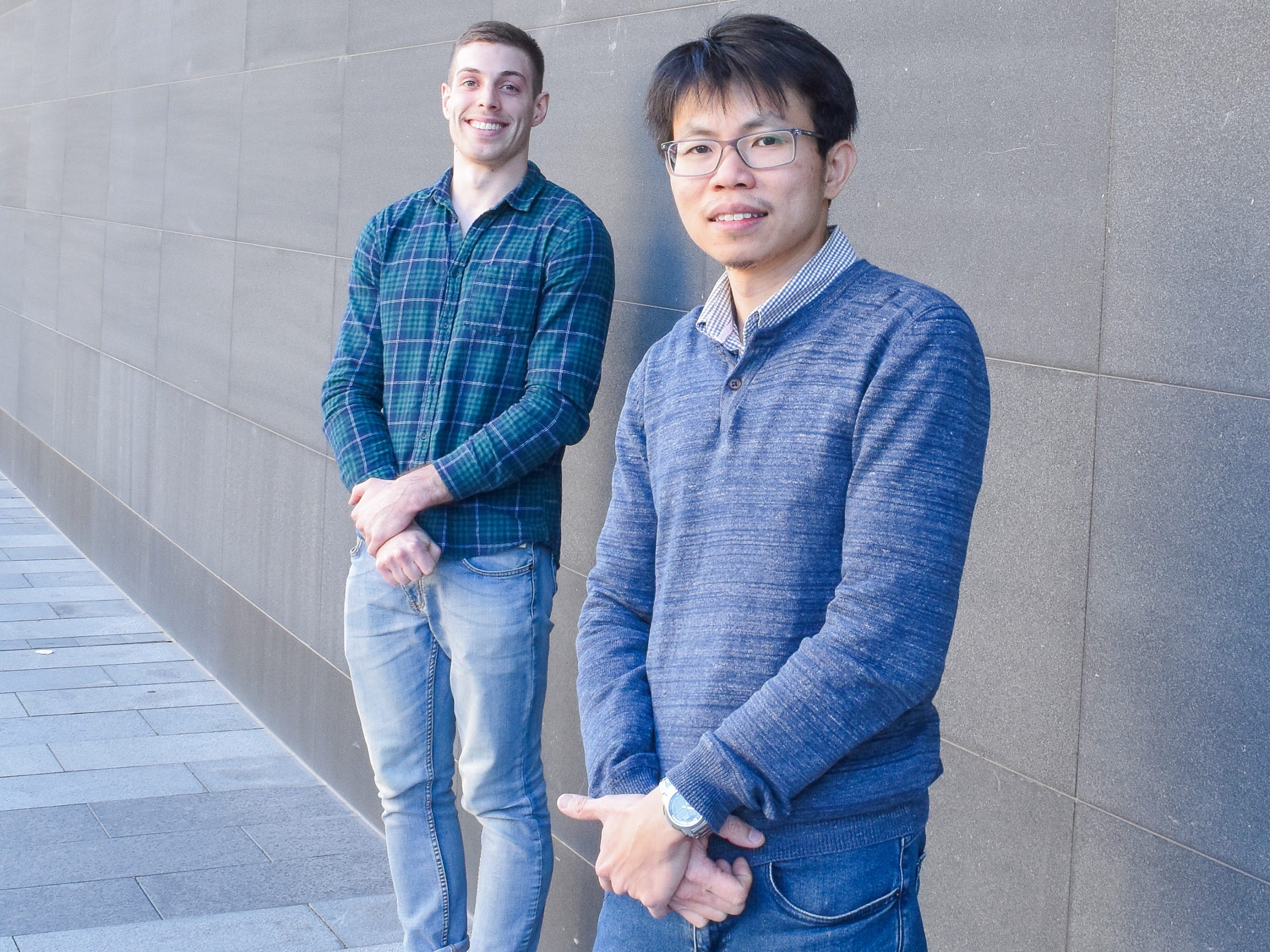
Led by senior researcher Dr Justin Wong, Head of the Epigenetics and RNA Biology Program at the Centenary Institute (pictured right), the team has discovered that through a process called ‘intron retention’ by which spacer DNA  are purposely maintained, monocytes and macrophages can control the expression of key genes involved in their development and critical pathogen-fighting activities.

“We discovered that these spacer sequences are deliberately retained in some cases to suppress the function of genes when they were not needed. One class of genes that are regulated this way are genes that promote the innate immune response, and control monocyte and macrophage activity. By retaining introns, partially-ready genes accumulate in the cells and await signals that pathogens are present.” said Dr Wong.

“Once an appropriate signal is detected, the spacer DNA or introns in these immune genes will be removed rapidly to reinstate their functions. Thus, there is a ‘volley’ effect to enhance the innate immune response to get rid of the pathogens quickly,” added Immanuel Green (pictured left), the lead author and a postgraduate student in Dr Wong’s lab.

Dr Wong notes that the published study provides novel insights into the molecular factors controlling vital regulators of the innate immune response system.

“Further investigation into the mechanisms that underpin this phenomenon will enable a better understanding of diseases characterised by aberrant macrophage function. Diseases include a range of vasculature, lung, body fat and kidney inflammatory pathologies,” he says.

The study, published in the journal Nucleic Acids Research, can be accessed here.

Information on Dr Wong and his research can be found here.
Themes

  • Cancer Innovations

    Cancer Innovations

Media enquires

For all media and interview enquiries, please contact Tony Crawshaw

Phone number Phone Number +61 402 770 403

Email Email t.crawshaw@centenary.org.au

Recent Stories

  • Centenary researchers share insights at ageing conference

    Centenary Institute researchers played a prominent role at the Australian Biology of Ageing Conference 2025 this week, contributing new scientific insights on how Australians can live healthier lives as they age.
    News Type: Research News
    Date 20 Nov 2025
  • New gene discoveries improve diagnosis of inherited heart disease

    Centenary Institute researchers have uncovered new genetic causes of inherited heart conditions, providing families with vital answers to guide treatment and prevention.
    News Type: Media release
    Date 13 Nov 2025
  • Centenary exhibits at Government House

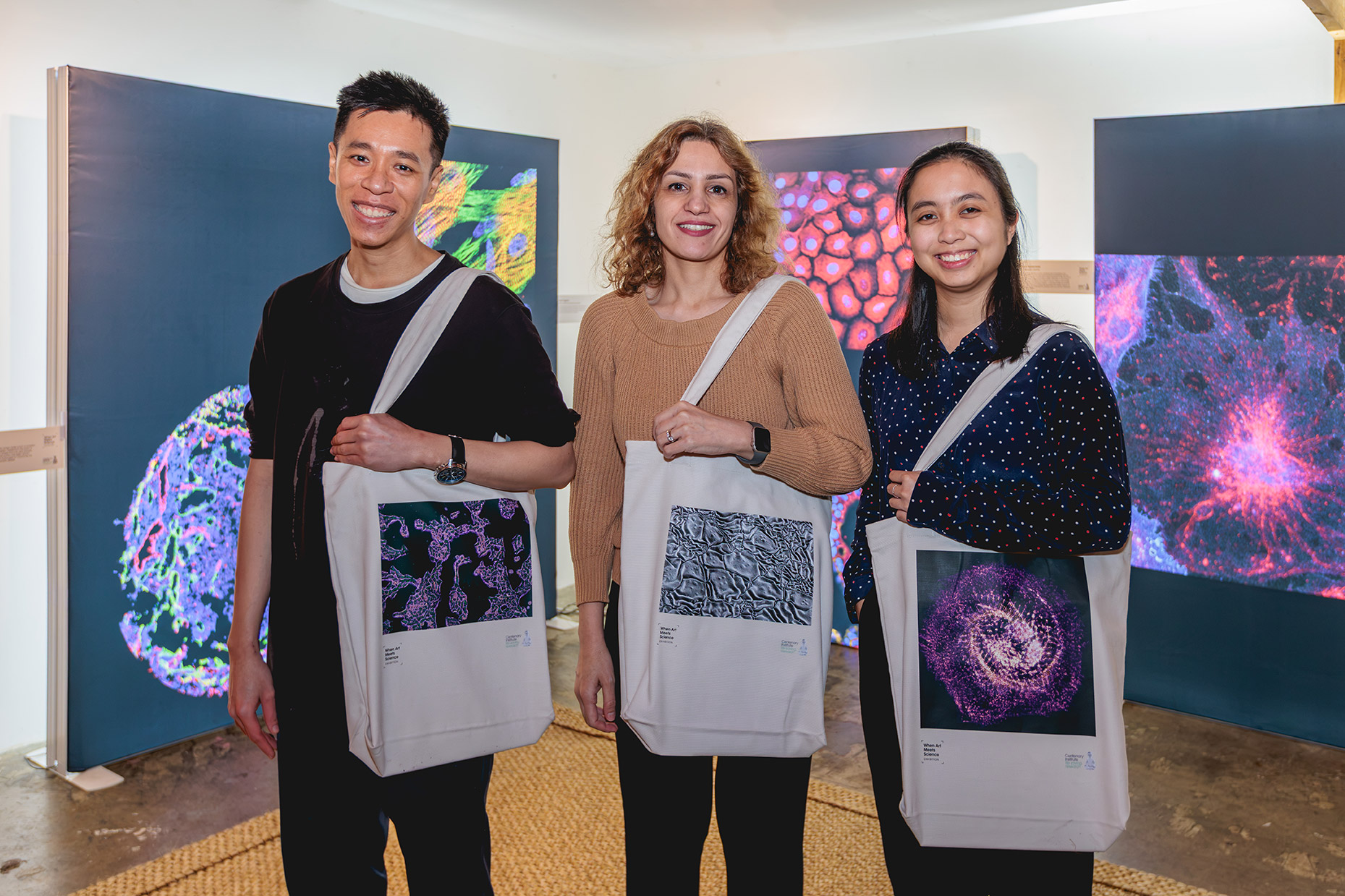
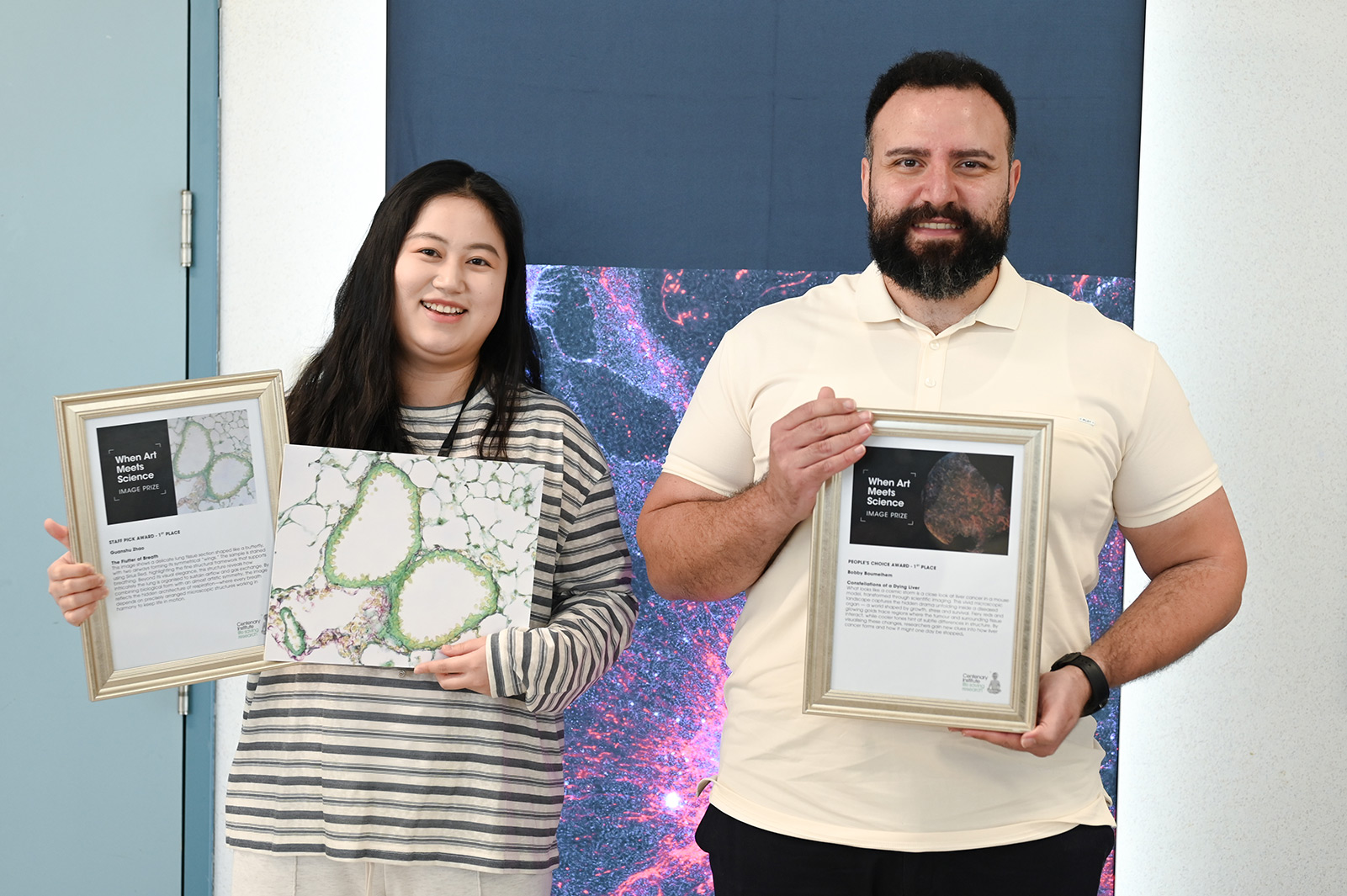
    The Centenary Institute has shared the beauty of science with the wider community through its When Art Meets Science exhibition, featured at Government House Sydney as a part of Sydney Open Day.
    News Type: Community
    Date 04 Nov 2025
  • Grant awarded to study gut-liver communication

    Associate Professor Patrick Bertolino, Head of the Centre for Infection & Immunity at the Centenary Institute, and Associate Professor David Bowen from the same centre, have been awarded a 2025 Gastroenterological Society of Australia (GESA) Project Grant. The $50,000 grant will support their study ‘Decoding Microbiome–Liver Communication via Portal Tracts.’
    News Type: Research News
    Date 22 Oct 2025

Subscribe to receive news on
research updates and free events

Newsletter

The Centenary Institute is a world-leading independent Medical Research Institute.

We acknowledge the Gadigal of the Eora Nation, the traditional custodians of the Country on which the Centenary Institute stands.

About

  • About us
  • Governance
  • Corporate information

Research

  • Our researchers
  • News

Careers & studies

  • Career opportunities
  • Student opportunities
  • Life at Centenary

Links

  • Contact
  • Privacy statement
  • Staff Intranet

Contact us

Building 93, Royal Prince Alfred Hospital
Missenden Rd
Camperdown NSW 2050 Australia
Telephone +61 2 9565 6100
Fax +61 2 9565 6101

Contact Privacy

Centenary Institute ABN 22 654 201 090 (DGR 1) • Centenary Institute Medical Research Foundation ABN 85 778 244 012 (DGR 2)
© 2017 Centenary Institute of Cancer Medicine and Cell Biology.

  • Linkedin
  • Facebook
  • Twitter
  • Youtube
  • Instagram