Skip to content
Home page - Centenary Institute Centenary Institute

Primary menu

  • Research
        • Research

          The latest medical research into our most complex health challenges across biomedical AI, cancer, cardiovascular diseases, immunity, age-related, rare and infectious diseases.

          Learn more

        • Biomedical AI
        • Cancer Innovations
        • Cardiovascular Research
        • Healthy Ageing
        • Infection & Immunity
        • Rare Diseases & Gene Therapy
        • Laboratories
        • Diseases
        • Breakthroughs
        • Technologies
        • Commercialisation
  • Support us
        • Support us

          By supporting the Centenary Institute you can help improve human health through excellence in medical research.

          Learn more

        • Workplace giving
        • Host or join a fundraiser
        • Gift in your will
        • Donate in memory
        • Get Involved
  • Careers & students
        • Careers & Students

          Postdoctoral and postgraduate students can work alongside world-leading medical researchers within state-of-the-art research facilities.

        • Careers
        • Study opportunities
  • Health hub
        • Health hub

          A range of practical information to assist in the possible preventions to disease through evidence-based research on how the body works.

          Learn more

        • Ageing
        • Exercise snack program
  • News & events
        • News & Events

          Explore the latest research breakthroughs and ways you can take part in our series of digital and in-person events.

        • News
        • Statements
        • Events
        • Real stories
  • About us
        • About us

          We are world-leading independent medical research institute that drives collaboration to accelerate and translate solutions to our most complex health challenges.

          Learn more

        • Governance
        • Corporate information
        • Annual reports
        • Our researchers
        • Animals in research
        • Contact
  • Donate
    Centenary Institute > News > Stroke of genius: drug could target leading cause in young

Stroke of genius: drug could target leading cause in young

Date time 7 November, 2018
News Type News type Media release

A study led by researchers at the Centenary Institute has identified a drug currently used to treat cancer patients, as a potential treatment option for a leading cause of stroke in young people.

Cerebral Cavernous Malformations (CCM) occurs when abnormal and dilated thin-walled blood vessels form clusters in the brain; altering blood flow. The condition affects as many as 1-in-200 people, and can cause bleeding, epilepsy and stroke.

Currently, the only treatment for CCM is surgery, which is not always possible; highlighting the urgent need for non-invasive, pharmacological treatment options.

In a study published in highly-regarded scientific journal Science Advances, researchers from the Centenary Institute in Sydney and several other institutions in Australia and China, have identified the FDA-approved drug Ponatinib as a suitable candidate.

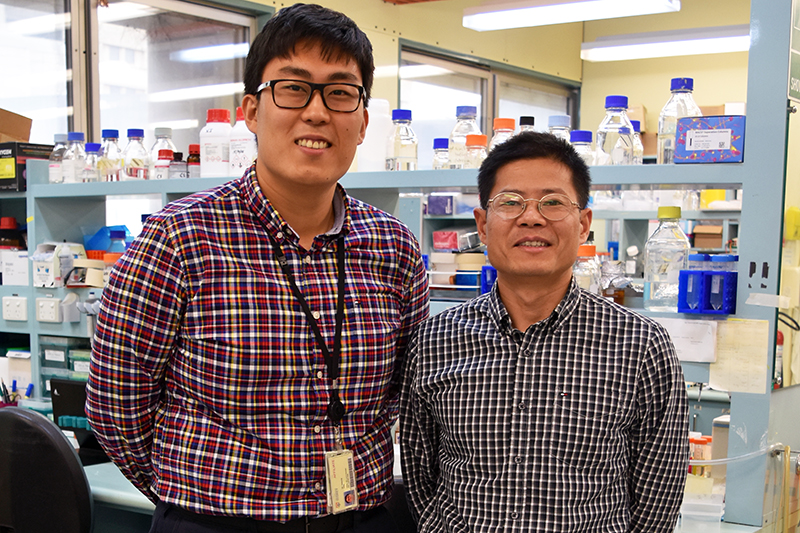
Lead author and Centenary Institute researcher, Dr Jaesung Peter Choi says it’s a significant step in the quest to find a suitable treatment for this debilitating disease.

“Our next goal is to synthesise derivatives of Ponatinib for specific use in CCM to maximise its efficacy, and to minimise any side effects,” says Dr Choi.

Read the full media release.

Dr Jaesung Peter Choi and Dr Xiangjian Zheng explain their research and the implications of their findings.
Media enquires

For all media and interview enquiries, please contact Tony Crawshaw

Phone number Phone Number +61 402 770 403

Email Email t.crawshaw@centenary.org.au

Media Release

Download

Recent Stories

  • A new era in therapeutic protein design

    A major new research project funded by the Australian Research Council (ARC) Discovery Projects scheme is commencing, with the Centenary Institute playing a central role. The project will establish an advanced platform to improve therapeutic protein design, supporting future developments in drugs, diagnostics and biotechnology.
    News Type: Research News
    Date 08 Dec 2025
  • Centenary researchers share insights at ageing conference

    Centenary Institute researchers played a prominent role at the Australian Biology of Ageing Conference 2025 this week, contributing new scientific insights on how Australians can live healthier lives as they age.
    News Type: Research News
    Date 20 Nov 2025
  • New gene discoveries improve diagnosis of inherited heart disease

    Centenary Institute researchers have uncovered new genetic causes of inherited heart conditions, providing families with vital answers to guide treatment and prevention.
    News Type: Media release
    Date 13 Nov 2025
  • Centenary exhibits at Government House

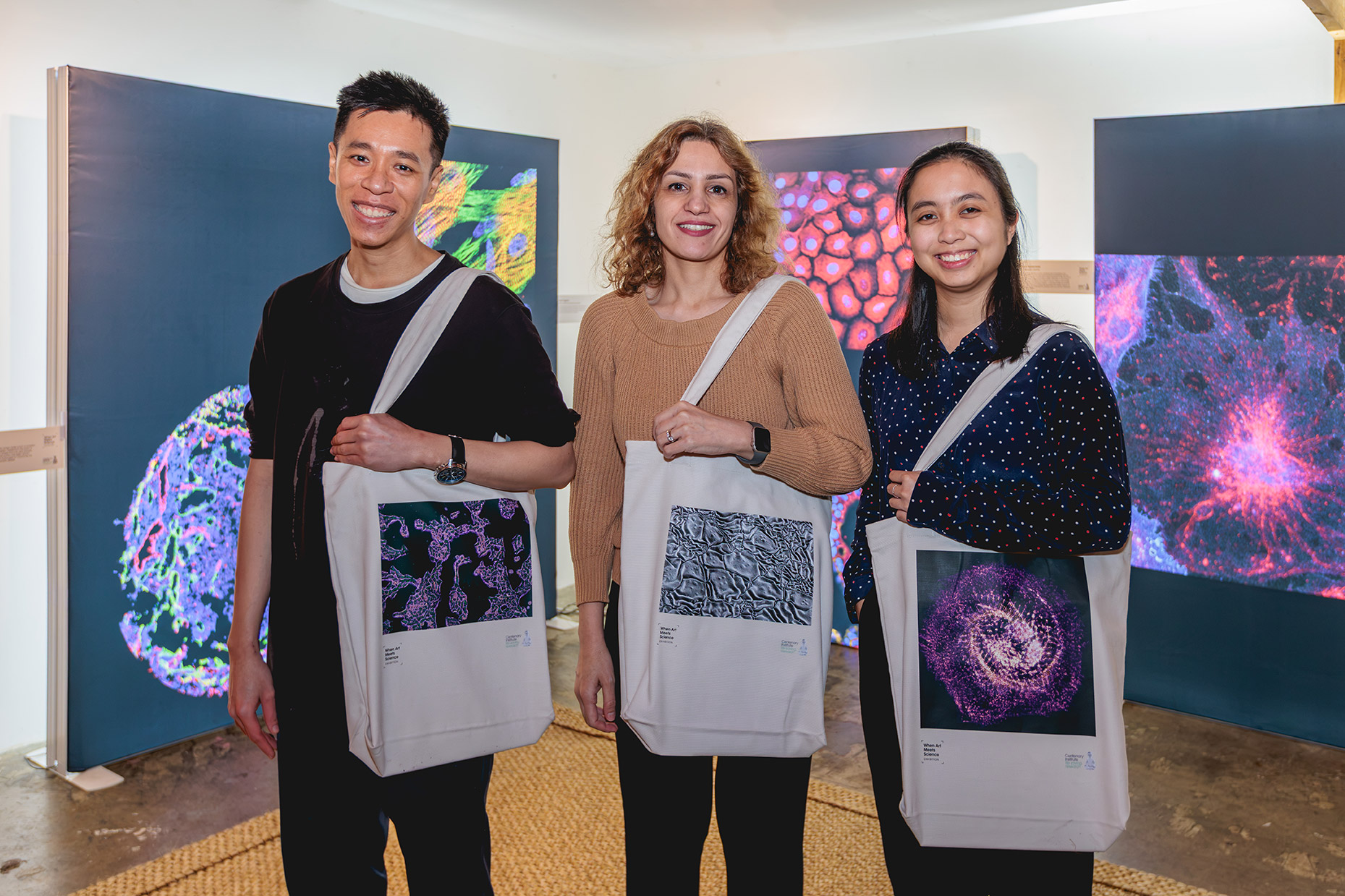
    The Centenary Institute has shared the beauty of science with the wider community through its When Art Meets Science exhibition, featured at Government House Sydney as a part of Sydney Open Day.
    News Type: Community
    Date 04 Nov 2025

Subscribe to receive news on
research updates and free events

Newsletter

The Centenary Institute is a world-leading independent Medical Research Institute.

We acknowledge the Gadigal of the Eora Nation, the traditional custodians of the Country on which the Centenary Institute stands.

About

  • About us
  • Governance
  • Corporate information

Research

  • Our researchers
  • News

Careers & studies

  • Career opportunities
  • Student opportunities
  • Life at Centenary

Links

  • Contact
  • Privacy statement
  • Staff Intranet

Contact us

Building 93, Royal Prince Alfred Hospital
Missenden Rd
Camperdown NSW 2050 Australia
Telephone +61 2 9565 6100
Fax +61 2 9565 6101

Contact Privacy

Centenary Institute ABN 22 654 201 090 (DGR 1) • Centenary Institute Medical Research Foundation ABN 85 778 244 012 (DGR 2)
© 2017 Centenary Institute of Cancer Medicine and Cell Biology.

  • Linkedin
  • Facebook
  • Twitter
  • Youtube
  • Instagram