
Skip to content
Home page - Centenary Institute Centenary Institute

Primary menu

  • Research
        • Research

          The latest medical research into our most complex health challenges across biomedical AI, cancer, cardiovascular diseases, immunity, age-related, rare and infectious diseases.

          Learn more

        • Biomedical AI
        • Cancer Innovations
        • Cardiovascular Research
        • Healthy Ageing
        • Infection & Immunity
        • Rare Diseases & Gene Therapy
        • Laboratories
        • Impact
        • Technologies
        • Commercialisation
  • Support us
        • Support us

          By supporting the Centenary Institute you can help improve human health through excellence in medical research.

          Learn more

        • Workplace giving
        • Host or join a fundraiser
        • Gift in your will
        • Donate in memory
        • Advise on our research
  • Careers & students
        • Careers & Students

          Postdoctoral and postgraduate students can work alongside world-leading medical researchers within state-of-the-art research facilities.

        • Careers
        • Study opportunities
  • News & events
        • News & Events

          Explore the latest research breakthroughs and ways you can take part in our series of digital and in-person events.

        • News
        • Statements
        • Events
        • Real stories
  • About us
        • About us

          We are world-leading independent medical research institute that drives collaboration to accelerate and translate solutions to our most complex health challenges.

          Learn more

        • Governance
        • Corporate information
        • Annual reports
        • Animals in research
        • Contact
  • Donate
    Centenary Institute > People > Professor Mark Gorrell

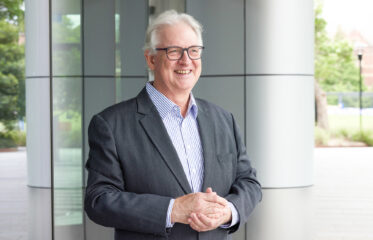
Professor Mark Gorrell

Faculty

Laboratories

  • Gorrell

Email Email m.gorrell@centenary.org.au

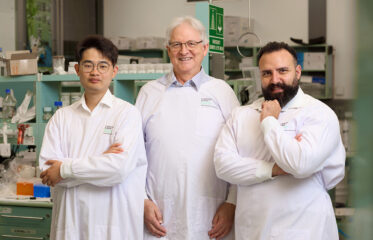
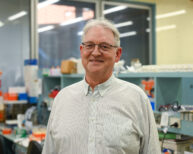
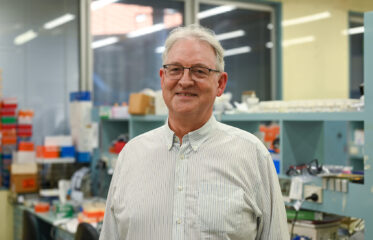
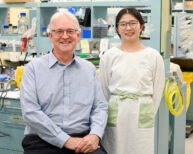
Professor Mark Gorrell heads the Liver Enzymes in Metabolism and Inflammation Program. He trained in cell biology, virology, immunology and protein biochemistry at the Australian National University and University of Melbourne in Australia, and at Johns Hopkins University in the USA.

His research is focussed upon liver scarring and cancer prevention and treatment, chronic liver disease pathogenesis, diabetes, protein and enzyme biochemistry and cell biology related to the proteases DPP4, DPP9 and fibroblast activation protein (FAP).

He has authored over 184 publications attracting H index 55, and > 11,000 citations. His research was important in the development of DPP4-targeted therapies for type 2 diabetes, which are now used to treat millions of patients. His research experience also includes protein biochemistry, small RNA viruses, transcriptomics, proteomics and cell biology.

Professor Gorrell has supervised more than 21 PhD and M Phil students. He is active in the International Proteolysis Society, the Gastroenterological Society of Australia, NHMRC grant reviews, and is an editorial board member for Cancers and for Scientific Reports.

Themes

  • Cancer Innovations

    Cancer Innovations

Topics

  • Chronic diseases ,

Publications

all publications

For access to all Publications via Pub Med.

News

  • New FAP-Index could transform early detection of severe liver disease

    Researchers from the Centenary Institute have developed a new diagnostic tool, the FAP-Index, that could significantly improve how doctors identify people at risk of serious liver damage caused by metabolic fatty liver disease. The condition affects around one in three Australians with cases projected to increase by 25% to over 7 million by 2030.
    Date 20 Feb 2026
  • Prestigious editorial award for Professor Gorrell

    Professor Mark Gorrell from the Centenary Institute’s Centre for Cancer Innovations has been awarded a Springer Nature Editorial Contribution Award celebrating his outstanding editorial work for the highly respected journal Scientific Reports. The award recognises editorial board members who have made a notable contribution to the journal’s peer-review and publishing processes. Professor Gorrell has served ...
    Date 16 Jun 2025
  • Turning off protein may help prevent liver cancer

    New research from the Centenary Institute has found that switching off a specific protein in liver cells may help prevent the early development of liver cancer.
    Date 16 Apr 2025
  • DPP9 deficit linked to immune disorders in children

    Researchers, including from the Centenary Institute, have reported that ultra-low levels of the dipeptidyl peptidase 9 (DPP9) enzyme could be contributing to immune disorders in children.
    Date 04 Oct 2022
  • DPP9 enzyme role in cancer revealed

    A new study from German and Centenary Institute researchers has provided new understanding of an enzyme called dipeptidyl peptidase 9 (DPP9) and its role in cancer development.
    Date 04 Aug 2022
View all

Subscribe to receive news on
research updates and free events

Newsletter

The Centenary Institute is a world-leading independent Medical Research Institute.

We acknowledge the Gadigal of the Eora Nation, the traditional custodians of the Country on which the Centenary Institute stands.

About

  • About us
  • Governance
  • Corporate information

Research

  • Our researchers
  • News

Careers & studies

  • Career opportunities
  • Student opportunities
  • Life at Centenary

Links

  • Contact
  • Privacy statement
  • Staff Intranet

Contact us

Building 93, Royal Prince Alfred Hospital
Missenden Rd
Camperdown NSW 2050 Australia
Telephone +61 2 9565 6100
Fax +61 2 9565 6101

Contact Privacy

Centenary Institute ABN 22 654 201 090 (DGR 1) • Centenary Institute Medical Research Foundation ABN 85 778 244 012 (DGR 2)
© 2017 Centenary Institute of Cancer Medicine and Cell Biology.

  • Linkedin
  • Facebook
  • Twitter
  • Youtube
  • Instagram