
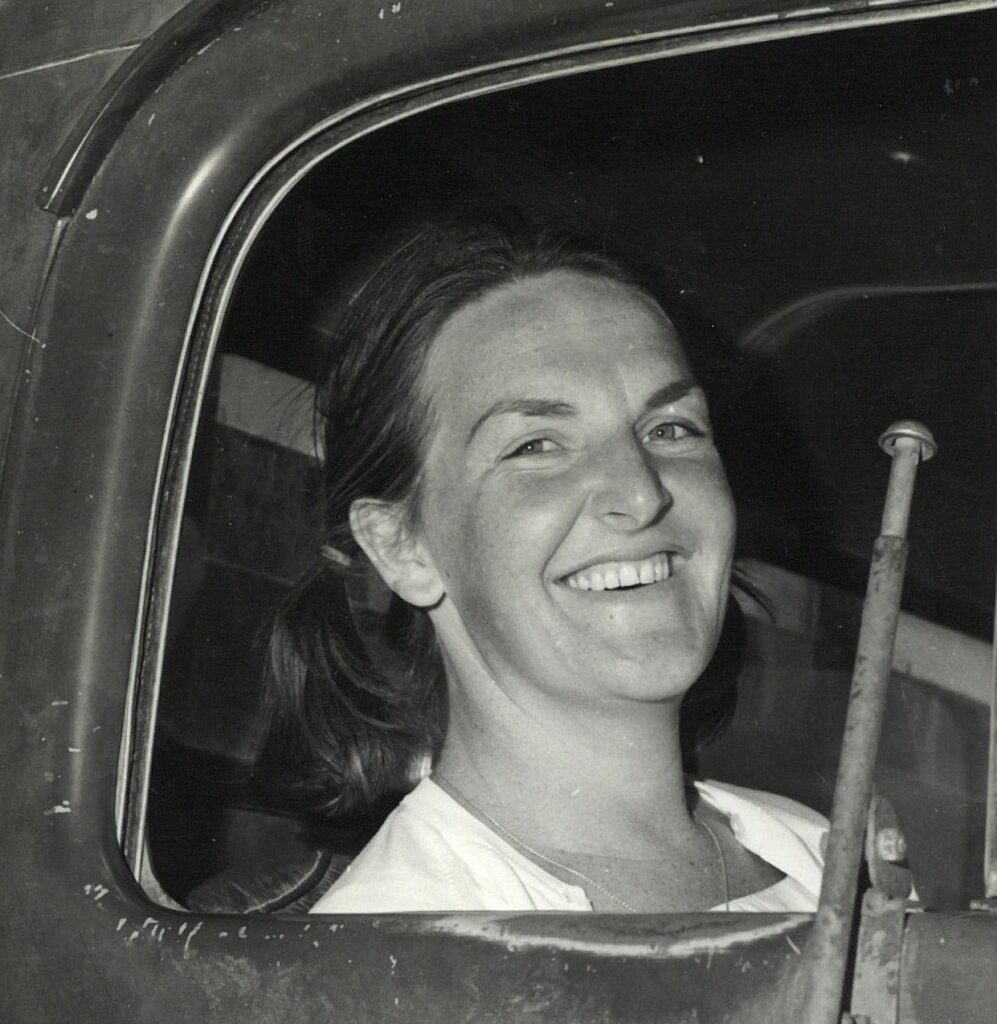
In November 2014, I lost my dad my Eddie. Less than eight months later, I said goodbye to my beautiful mother.
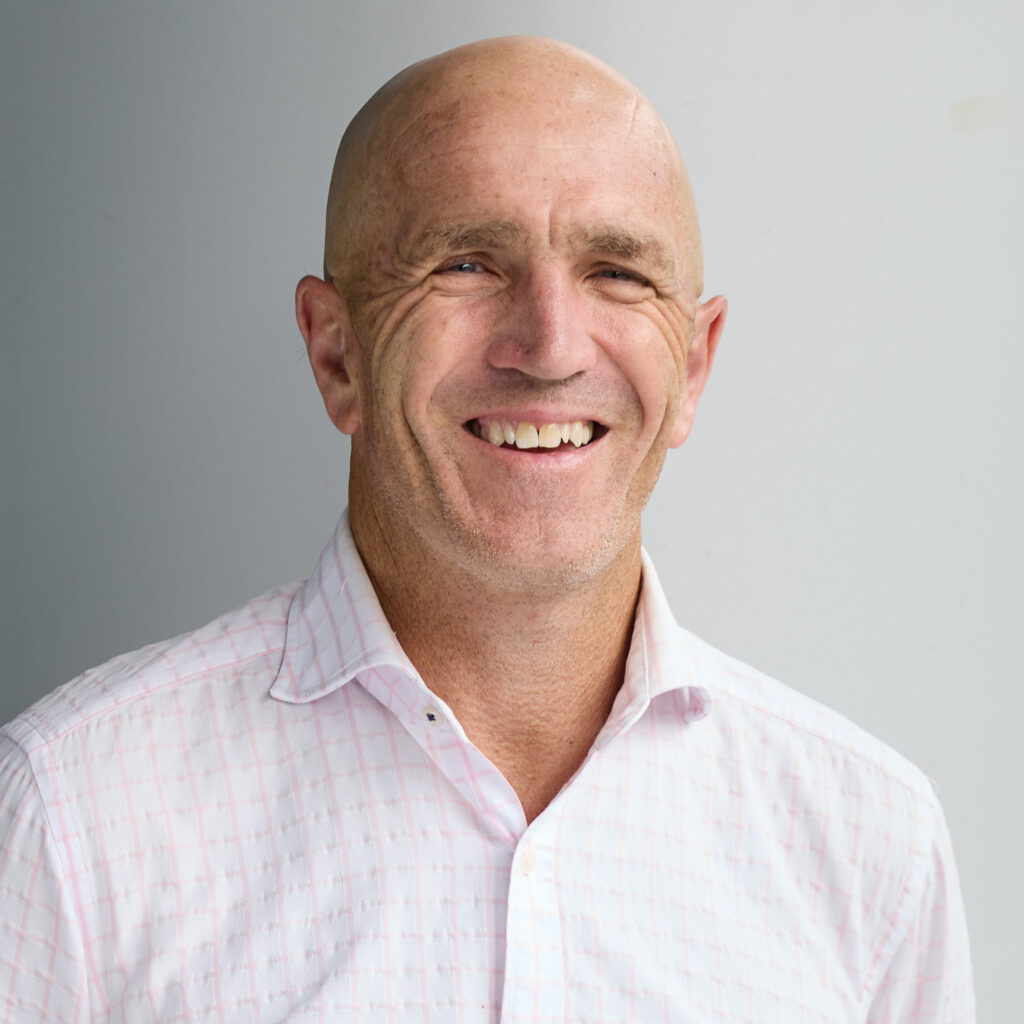
My name is Peter Wilson. I am 50-years-old. And I worry about ageing.
It is not the regular worry about getting older, like failing eye sight or losing my hair. But the kind that keeps me awake at night fearing the future holds a life of heartbreaking disease that won’t just rob me but my children too.
My mum was raised in Eaglehawk, Victoria. She moved to Bondi at age 19. She was a mechanic in the army.
It was here she met Dad or as I knew him and everyone knew him simply as “ Eddie”. As the local garbo, I think she caught his eye while he was picking up the bins at her workshop.
Everyone knew my dad, he was Eddie from Coogee. He both played and coached rugby league. And as a life member of Coogee Nippers, he could most certainly be found at the beach training me or my brother, or one of the local kids.
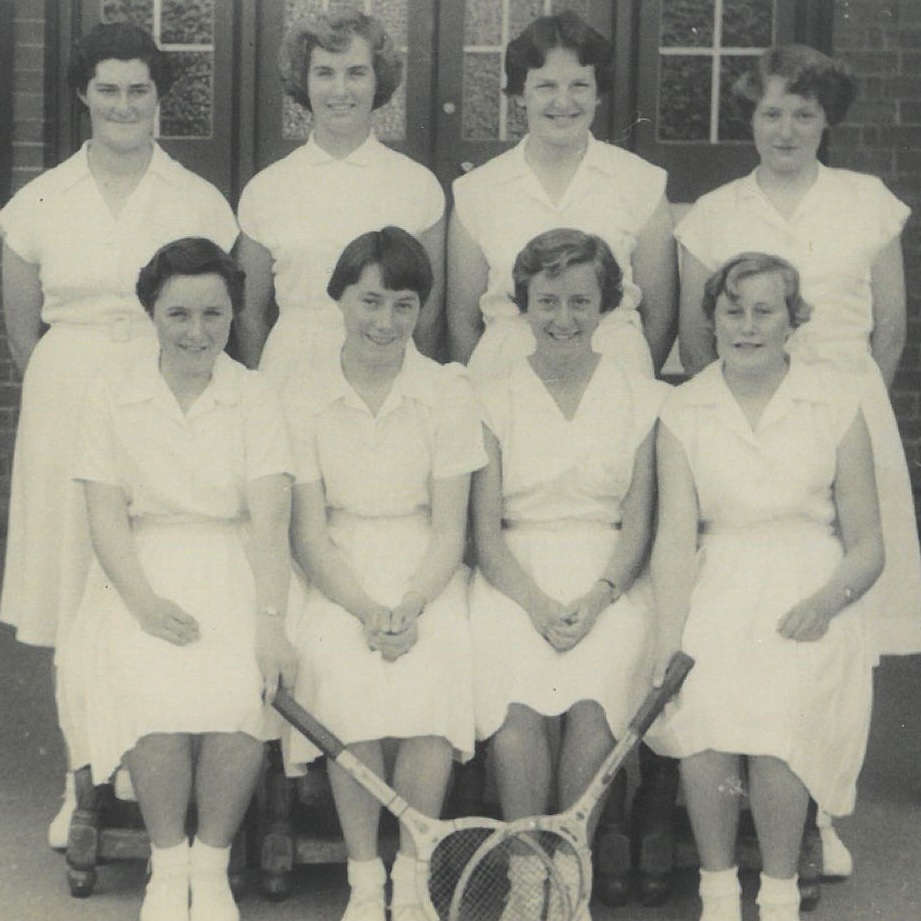
As for Mum, she lived for tennis. She watched it, she played it, she talked about it – all day, every day. Everything was about tennis.


Both Mum and Dad had always been incredibly fit and healthy. Dad had never even had a drop of alcohol in his life. Never a cigarette.
I think this is what made it so hard to digest. How does one so fit and healthy suffer a disease that eats you away so slowly? Would a sudden death be easier to deal with or the constant drain of watching both parents fade day by day? It is a torture no one should go through.
Mum would have been around 64 when she came home from the beach one day and couldn’t feel her left side. I knew it wasn’t a good sign. I quickly called the ambulance.
She had suffered a stroke.
When I got to the hospital, further tests had uncovered early signs of dementia.
I remember being the one to tell Dad that Mum had dementia.
I have never seen a man as tough as my dad cry like he did. He sat outside the hospital in the car and bawled for nearly an hour.
His heart was ripped out of him. She was the love of his life, and he knew he would have to watch her fade away slowly and eventually not even remember him.
I was shocked and terrified about what stood in front of us.
In the beginning it started out slowly. For a few years after Mum’s diagnosis things were ok, but she would often struggle with simple everyday tasks. Mum would get confused what day of the week it was. There was always plenty of bread and milk in the house, because she would forget she had already bought it and go to the shops a second time. At least she would bring donuts back with her… twice.
If only dementia was simply memory loss.
I knew that eventually my mum would be a shell of herself, that she wouldn’t be able to eat, drink or wash herself. She wouldn’t know me or my brother, she would just be a number in a nursing home.
Dad thought he could cure her, so he took her on a trip to Samoa. Apparently, the water is medicine and the food is better. He tried everything, Dad. He couldn’t accept this was going to happen to his beautiful wife, the young girl he married so many years ago while picking up garbage and she was wielding a spanner under a truck.
He even tried his hand at cooking. But no one ever told him that you cannot put the oven tray on top of the stove, and turn all the burners on to cook a roast.
But we knew that no matter how good his intentions, or how hard he tried, Dad was never going to be able to slow down the effects of this terrible disease.
Dad tried and tried day by day to help her manage as best he could, but he too was starting to show some concerning signs himself.
That didn’t stop him. Even when he got sick himself, he would always put Mum first, and make sure she had everything she needed. Even if it involved drinking 2 litres of milk, and eating countless pieces of bread, just so he could convince her she only went to the shops once.
Around 4 years later it all collapsed. Dad had not returned from his usual training session down the beach. No one had seen him for about 8 hours.
My phone rang. It was the next-door neighbour.
He had found Eddie in the back lane and had called an ambulance. Dad was in such a state. He was adamant he was selling the boat…. We had never owned a boat.
It was a stroke. Things were about to get worse.
Dad was Mum’s carer. With him now in hospital, within 24 hours, my brother and I were forced to make the very quick and agonising decision to move Mum into a nursing home.
It broke my heart. I knew neither of us would be able to care for her but it didn’t make it any easier. It felt like we were giving up on her.
She was only 68 and only a couple of years before, could play tennis for hours on end, and walk countless laps of Coogee. I struggled to understand how this all fell apart so quickly.
Dad remained in hospital for over six months. He never went home, joining Mum in the nursing home.
What should have been a comfort to the two of them having each other didn’t last too long. It wasn’t long and Mum started to not remember Eddie.
Dad had his best mate that he had grown up with in the same nursing home. To watch two of the longest standing friends, reintroducing themselves to each other every day, was truly heart breaking.
Going to see Mum was heartbreaking. She would ask who the tiny little kid running around the nursing home causing havoc was. It was her beloved little granddaughter Piper.
An occasional smile would come across her face as she would point at Piper to hold her little hand. As the months and weeks went by and the smile faded, her eyes became deeper and deeper.
I wasn’t prepared for the high levels of stress and even the depression, that comes from seeing someone you love in that condition. As a shell, Mum was still there, but in spirit and heart, it was all dissolving right in front of our eyes.
Dad was diminishing quickly himself. I remember every moment of his last week.
I was sitting with Dad on the bed at the nursing home with my daughter Piper laid across his lap. He softly mentioned to me ‘I am sick, Peter’.
You could see his fight was over. The week dragged on, and we waited day by day, until that dreaded phone call came.
“Your father has passed away,” the nurse said. I remember leaving him that afternoon and his breathing was slow and he was peaceful. He has passed 20 minutes after I left.
It was one of the last times Mum ever spoke, when we informed her that Dad had passed. Those words were: “Oh that silly bastard”.
It was hard to watch Mum at Dad’s funeral. The confusion on her face. Wondering what was happening around her. Did she know what was even going on, or who was in that box?
Her next 8 months was, and still is, harrowing to think about.
It is cruel to watch a parent lose their ability to walk, wash, dress and feed themselves. Wondering what is going on inside their brain. Even if the brain is functioning. Are they wishing to fall asleep and not wake up?
I would sit at night and how long the torture would last. To see mum not recognise visitors she had known all her life. What can you talk about to someone like this?
Then she just stopped eating and drinking. She was fed slowly by the nurses. Her body curled up tightly in a water chair. The worst sight one could ever witness.
And that’s when I understood what would kill her—she would slowly wither away, dry up, unable and unwilling to eat or drink.
By April, she was mostly bed-ridden, requiring a special sling-lift to lift her onto her wheelchair, to change her adult diapers, to wash and clean her, to change her clothes.
How long could someone go without eating and drinking? She had lost a lot of weight, her cheekbones becoming more prominent. Looking into her eyes, I couldn’t find my mother anymore, just dark, grey-coloured eyes.
On July 2nd 2015, Piper’s birthday, that phone call finally came. As I dozed off that night, the phone rang. Mum had passed, the disease had finally won. She would never get to see her second granddaughter, born only a few months later.
Two young girls who will never experience the love of their grandparents. They will only be left with stories of how incredible they were.
I fear that it might be tomorrow, next month, or next year, when I get told by a doctor I too have dementia. I want to be around to see my daughters grow up.
Not only do I fear for myself. I fear for everyone. I have seen what this disease does to people. To families.
We shouldn’t have to live in fear. Dementia doesn’t discriminate so we need to find a cure.