
Bagnall Laboratory
We’re looking for new genetic causes of inherited heart disease and sudden cardiac death in young people.

We use high-performance computers to sift through enormous amounts of genetic data from people with cardiomyopathies, arrhythmia syndromes and cases of sudden cardiac death. By uncovering new genetic causes of these conditions, we can better understand the biological pathways that drive them.
Our computer‑based predictions are then tested in the lab using state‑of‑the‑art techniques — from analysing DNA and RNA to creating patient‑specific cell models that mimic the disease. This combined approach has already boosted the success rate of genetic testing for inherited heart conditions, helping more families receive clear answers and the benefits of an accurate diagnosis.
-
Associate Professor Richard Bagnall
Head, Centre for Cardiovascular Research



- Sudden cardiac death
- Cardiomyopathy
- Arrhythmia syndromes
- Sudden unexpected death in epilepsy
- Molecular biology
- Bioinformatics
- Genome sequencing
- RNA analysis
- A Prospective Study of Sudden Cardiac Death among Children and Young Adults
- Exome-based analysis of cardiac arrhythmia, respiratory control, and epilepsy genes in sudden unexpected death in epilepsy
- Exome analysis–based molecular autopsy in cases of sudden unexplained death in the young
- Whole Genome Sequencing Improves Outcomes of Genetic Testing in Patients With Hypertrophic Cardiomyopathy
- Key Value of RNA Analysis of MYBPC3 Splice-Site Variants in Hypertrophic Cardiomyopathy
People
-
Associate Professor Richard Bagnall
Head, Centre for Cardiovascular Research
-
Dr Seakcheng Lim
Research Officer
-
Emma Singer
Research Assistant -
Serena Li
Research Assistant -
Charlotte Burns
Genetic Counsellor -
Yuchen Chang
PhD Student -
Jackson O’Neill
Research Assistant -
Natalie Nowak
Visiting Researcher -
Liny Tan
Visiting Researcher


Student opportunities
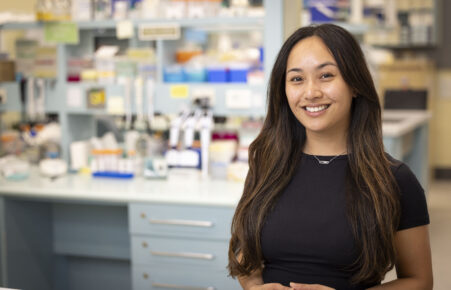
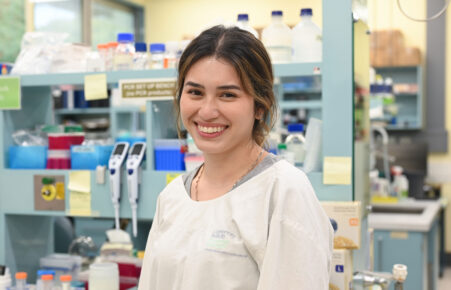
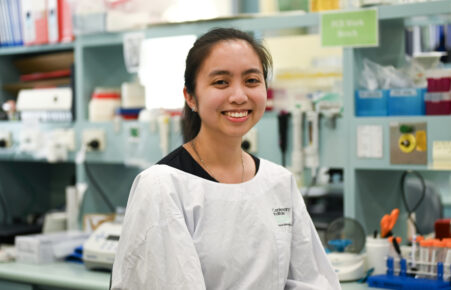
Postgraduate student projects are available in the areas of bioinformatics, molecular genetics, or cellular biology.
Students will work alongside researchers and clinicians to further understand the genetic basis of inherited heart disease using our comprehensive cohorts of deeply phenotyped individuals.
To learn more about student opportunities in the Bagnall Lab and for all general enquiries relating to our work, please contact Associate Professor Richard Bagnall.
