

Izzo Laboratory
Determining mechanisms of immunity that will end the tuberculosis pandemic.
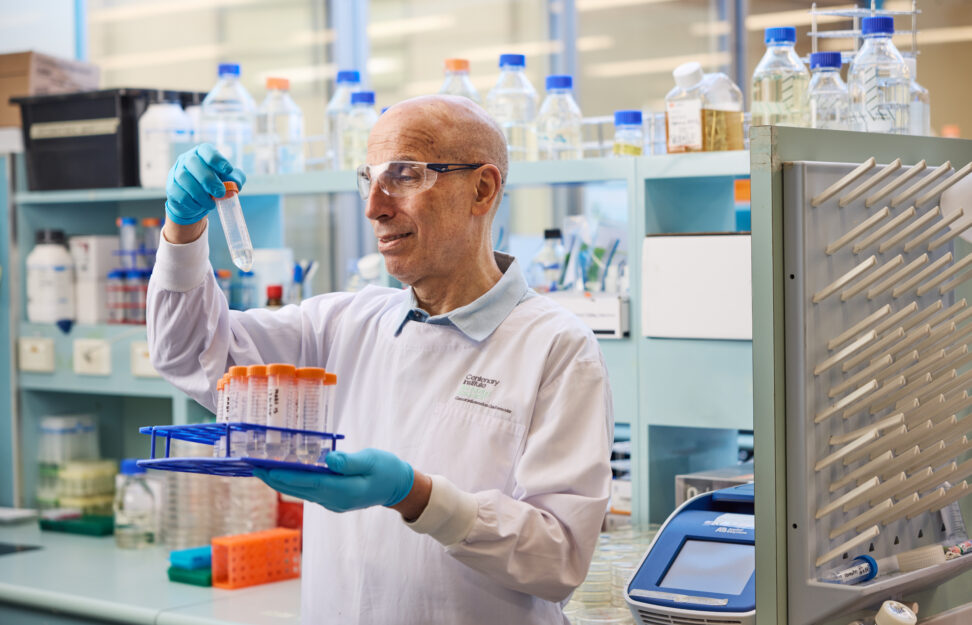
The Izzo Lab studies how our immune system fights Mycobacterium tuberculosis, the bacterium that causes tuberculosis (TB).
They’re looking at what happens when someone has TB and another infection at the same time — and how this “co‑infection” can change the body’s immune response. Working with collaborators like Dr Alyson Ashe at the University of Sydney, they’re digging into the cellular processes that drive these effects.
The team is also exploring how new TB vaccines work, especially how they train the immune system to protect against disease. They collaborate closely with other members of the Tuberculosis Research Group to better understand the complex back‑and‑forth between the TB bacterium and the body’s defences.

- Mycobacterium tuberculosis
- Immunopathogenesis of pulmonary infection
- Vaccine induced immunity
- Preclinical animal models
- Immune response to infectious diseases
- Vaccine induced immune responses
- Mycobacterium tuberculosis culturing
- Mouse Subcutaneous BCG Vaccination and Mycobacterium tuberculosis Infection Alter the Lung and Gut Microbiota
- Pulmonary mucosal immunity mediated through CpG provides adequate protection against pulmonary Mycobacterium tuberculosis infection in the mouse model. A role for type I interferon
- Characterizing the BCG Induced Macrophage and Neutrophil Mechanisms for Defense Against Mycobacterium tuberculosis
- Evaluation of Peripheral Blood Markers as Early Endpoint Criteria in Guinea Pigs (Cavia porcellus) when Testing Tuberculosis Vaccine Candidates
- Humanized NOG mice as a model for tuberculosis vaccine-induced immunity: a comparative analysis with the mouse and guinea pig models of tuberculosis
People
-
Professor Angelo Izzo
Faculty
-
Dr Isaac Sakala

-
Dr Claudio Counoupas

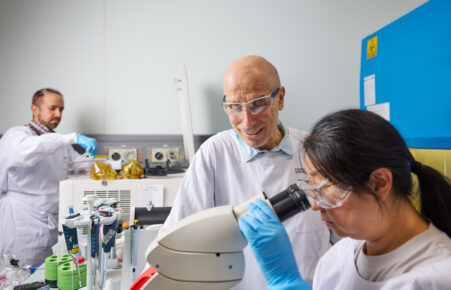
Student opportunities
We have opportunities for students (undergraduate and postgraduate) and postdoctoral fellows interested in learning about the immune response mechanisms to infectious diseases and vaccines.
To learn more about student opportunities in the Izzo Laboratory and for all general enquiries relating to our work, please contact Professor Izzo.