

Centre for Rare Diseases & Gene Therapy
Guiding therapies for rare diseases.
About the Centre
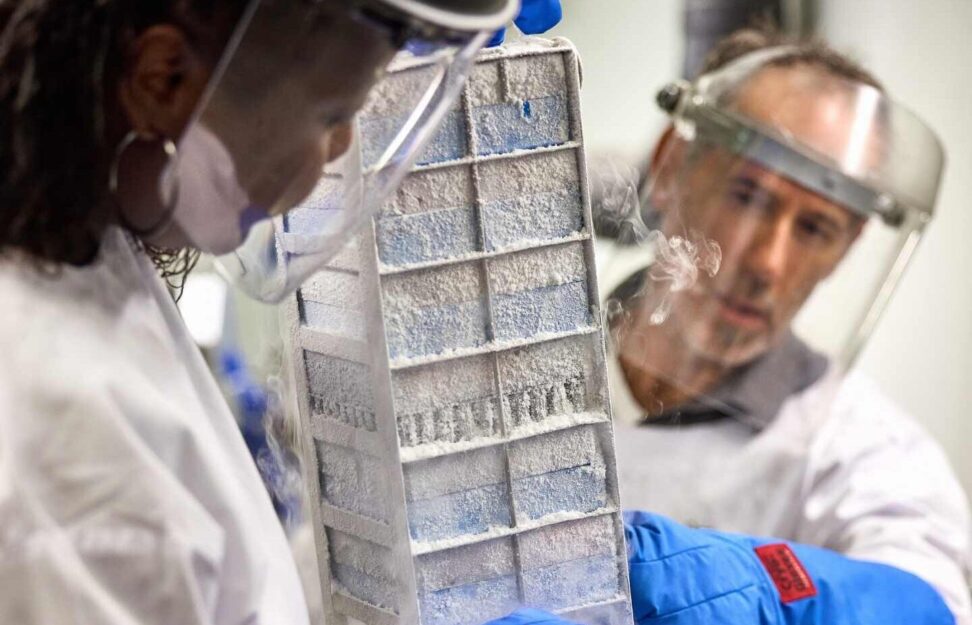
At the Centre for Rare Diseases & Gene Therapy, we investigate the fundamental mechanisms of disease to drive advanced treatments for rare inherited metabolic and blood disorders, cancer and chronic inflammatory disease.
Our team is developing next‑generation adeno‑associated virus (AAV) gene therapies engineered for safer, more efficient delivery at lower doses. By reducing dose‑related toxicities and immune‑driven side effects, we aim to deliver more effective, targeted therapies that genuinely improve outcomes for people living with rare diseases.
Centre Head
-
Associate Professor Charles Bailey
Head, Centre for Rare Diseases & Gene Therapy


Laboratories
Bailey
Gene regulation is frequently dysregulated in cancer. During cancer initiation, transcription factors can exhibit somatic mutations including point mutations in regulatory domains or undergo genetic deletion. These events promote cancer pathogenesis.
Student Opportunities
Targeting Neuroinflammation with Novel Epigenetic Drugs
Projects: Honours, Masters & PhD
Project details
Primary Supervisor: Dr Mehdi Sharifi Tabar
Supervisory Team: Dr Chuck Bailey
Centre: Rare Diseases & Gene Therapy
Central nervous system-related autoimmune diseases, such as Aicardi-Goutières syndrome, and systemic conditions like Sjögren’s syndrome and systemic lupus erythematosus, are driven by the persistent overactivation of interferon-stimulated genes (ISGs). This persistent ISG activity causes inflammation and can lead to brain tissue damage. Currently, there are no effective treatments, highlighting an urgent need for innovative therapies. Our recent research has identified TRIP (Transcriptional Regulator of the Interferon Pathway) as a key epigenetic regulator of neuroinflammatory ISG expression, making it a highly promising therapeutic target for these diseases.
In this project, using a multidisciplinary approach, combining molecular, cellular, biochemical, and genetic experiments, we aim to examine two new immunoregulatory drugs that selectively target TRIP mRNA and protein to suppress neuroinflammatory ISGs.
* For intellectual property reasons, we have named the gene TRIP
Defining novel cellular entry pathways that enhance AAV gene therapy efficiency
Projects: PhD, Masters, Honours
Project details
Primary Supervisor: Dr Chuck Bailey
Supervisory Team: Dr Chuck Bailey
Centre: Rare Diseases & Gene Therapy
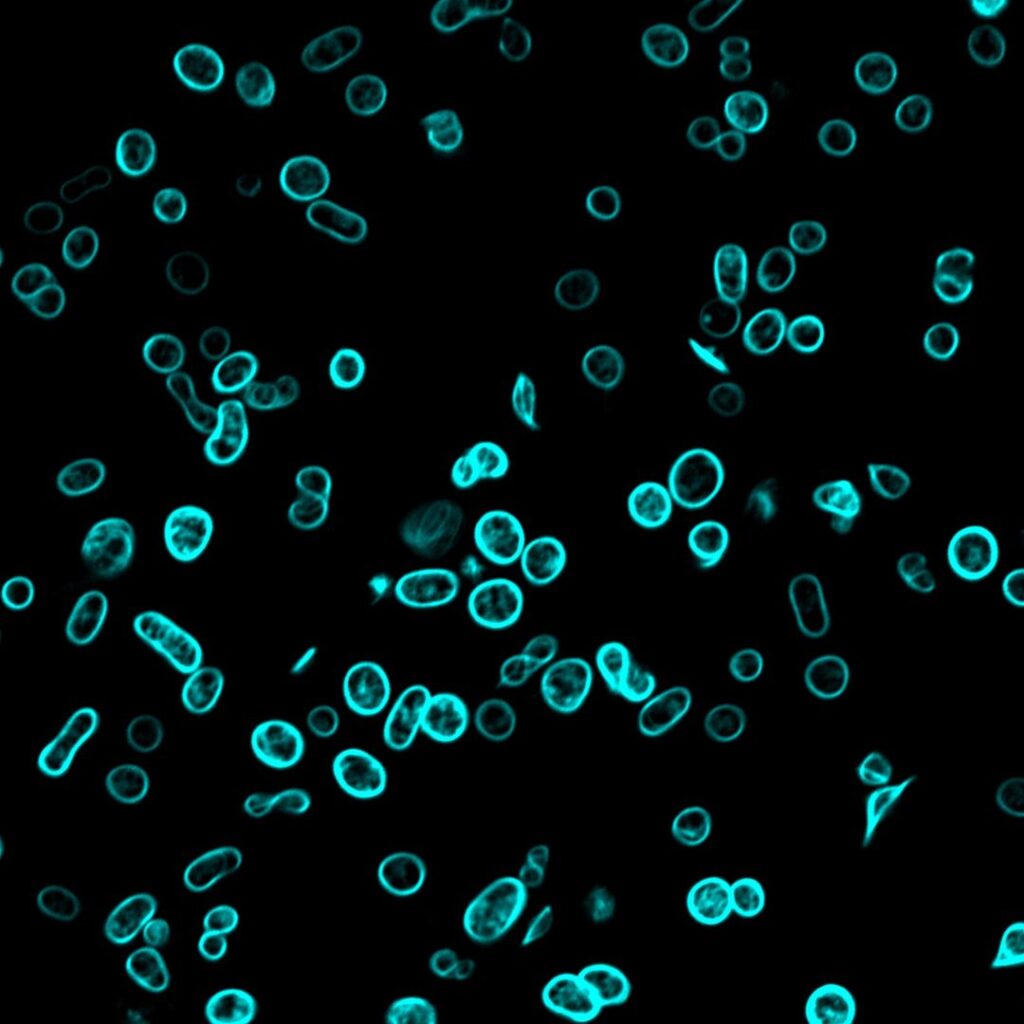
Adeno-associated virus (AAV) vectors have revolutionised the treatment of genetic disease due to their tissue tropism and safety profile. However, the wider adoption of AAV vectors, currently used in 8 approved therapies, is limited by dose-related toxicities. We recently identified a new AAV receptor, called AAVR2, which mediates cellular entry of clinically important gene therapy vectors (published in Cell, 2025). Our advanced proteomics studies have identified cellular factors that regulate AAVR2 (and AAVR) trafficking, and hence AAV uptake. Molecular, cellular, proteomic and single molecule tracking techniques will be used to examine AAV uptake and localisation during the modulation of these factors. Outcomes include defining novel pathways and compounds that can enhance AAV uptake.
Techniques: DNA cloning, cell culture, Western blotting, CRISPR/Cas9, AAV transductions, co-immunoprecipitation, BioID, mass spectrometry, flow cytometry, confocal microscopy, super-resolution microscopy, animal models.
Functional characterisation of drivers of 3D growth in cancer
Projects: PhD, Masters, Honours
Project details
Primary Supervisor: Dr Chuck Bailey
Supervisory Team: Dr Chuck Bailey
Centre: Rare Diseases & Gene Therapy
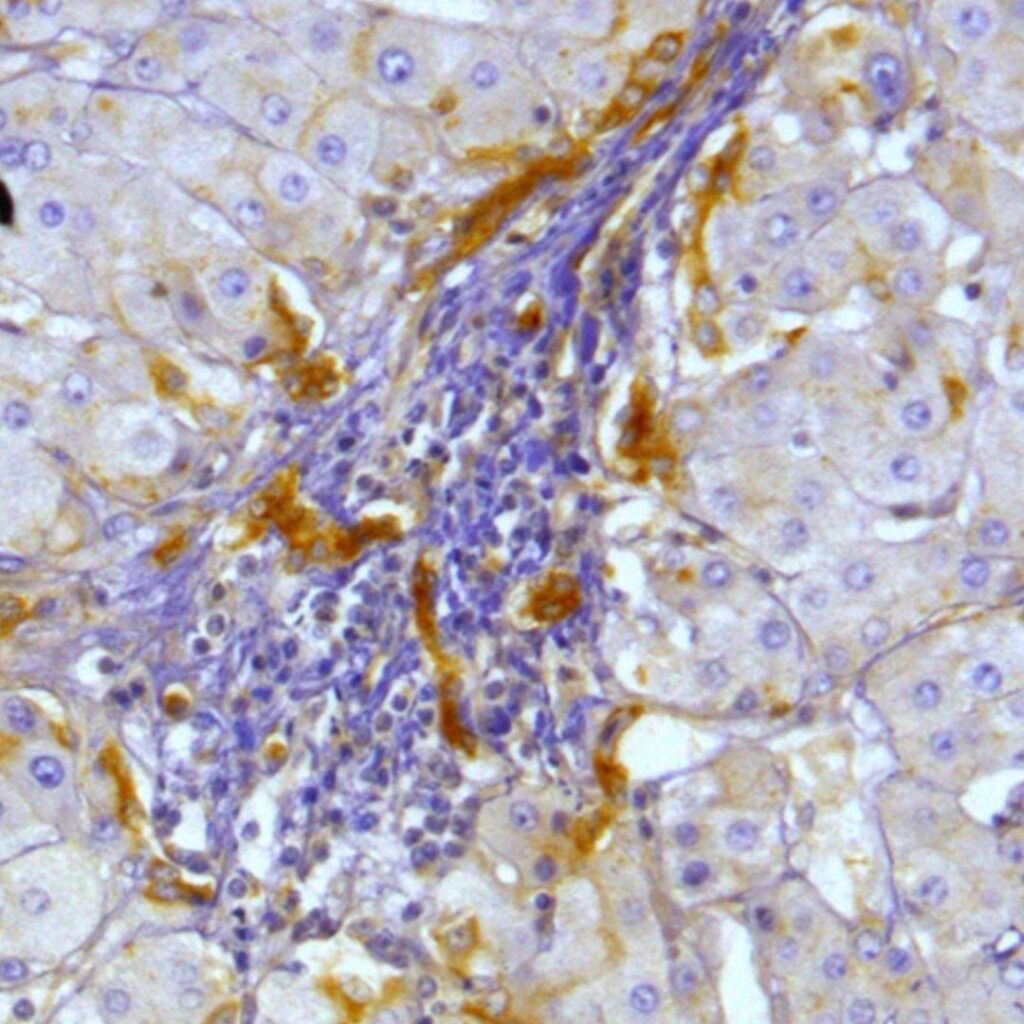
Carboxypeptidase D (CPD) has been identified from genetic screens of actionable cancer vulnerabilities to be essential for the 3D spheroid growth of lung cancer. However, the exact mechanism by which CPD contributes to 3D tumour growth is poorly understood. Using two unique gene knockout mouse models, this project will examine the role of CPD in normal mouse development, as well as malignant cell growth. Specific reagents will be used that detect defects in IGF1R and nitric oxide signaling, angiogenesis and formation of lymphatic vasculature. Integrated transcriptomic and proteomic analysis of specific tissues will be used to map the defects in organogenesis and 3D tumour growth due to CPD loss.
Techniques: Molecular and cellular biology, extraction of organs and tissue, qRT-PCR, genotyping, Western blotting, cell culture, 3D spheroid culture, lentiviral vector transduction, flow cytometry, immunofluorescence, confocal microscopy, RNAseq and mass spectrometry, animal models, bioinformatics.
Characterising alternative splicing dysregulation in ectodermal dysplasia
Projects: PhD, Masters, Honours
Project details
Primary Supervisor: Dr Chuck Bailey
Supervisory Team: Dr Chuck Bailey
Centre: Rare Diseases & Gene Therapy
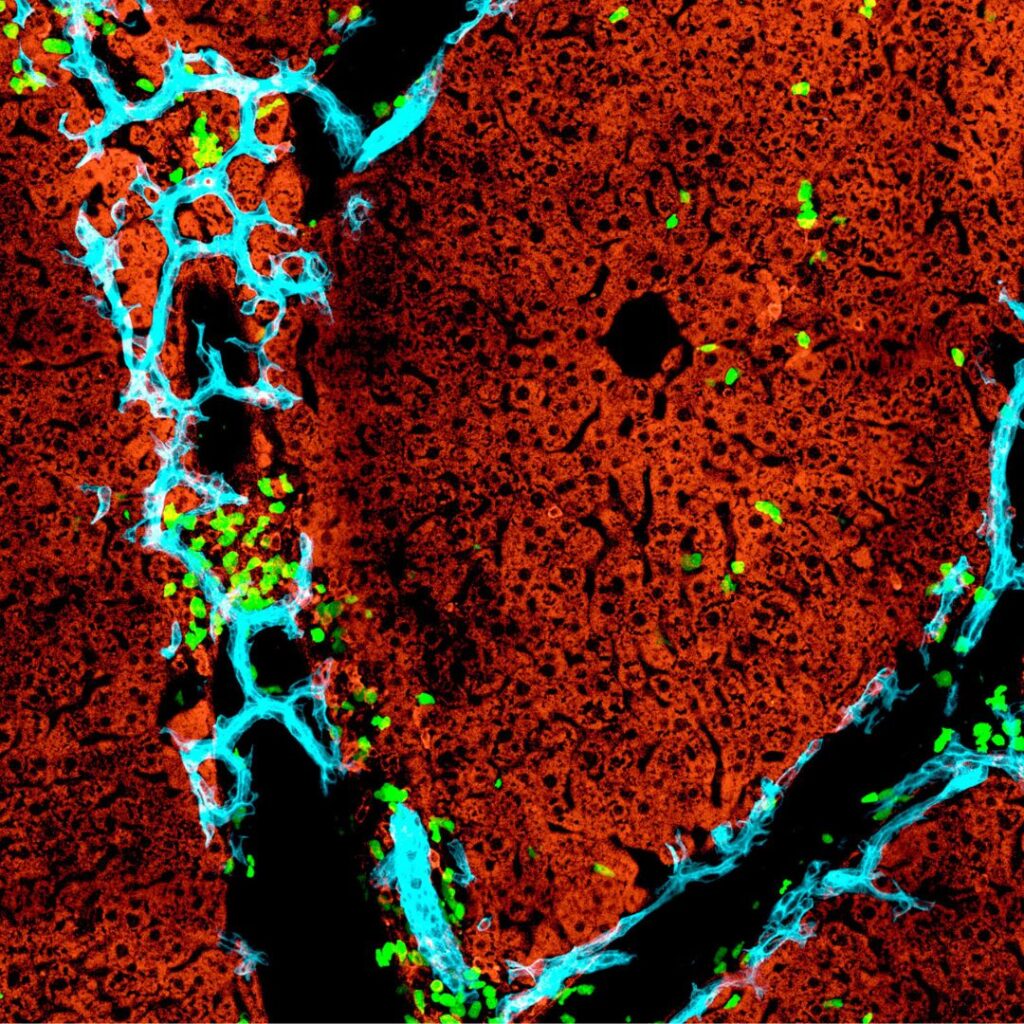
Alternative splicing of genes generates multiple protein isoforms each with potentially different biological functions. We have uncovered a new evolutionarily-conserved mechanism by which functional protein diversity is conferred by an RNA binding protein (RBP) mediating ‘switching’ at tandem splice sites. Mice deficient for this RBP are embryonic lethal with severe morphological defects during embryogenesis. Small in-frame protein variations, we refer to as ‘molecular micro-switches’, occur in ~20% of events. These micro-switches occur in the functional domains of many developmentally important proteins. This project will examine the biochemical and structural bases for a key micro-switch which is disrupted in the rare disease ectodermal dysplasia. This project can be configured for a wet-lab project or for bioinformatics analysis only.
Techniques: DNA cloning, cell culture, Western blotting, CRISPR/Cas9, proteomics, flow cytometry, animal models, recombinant protein production, bioinformatics.
Get in touch
To get in touch and for all general enquiries relating to our work, please contact Charles Bailey.