First‑of‑its‑kind AI platform to improve cancer treatment decisions
 19 February, 2026
Centenary researchers have been awarded funding to commercialise a first‑of‑its‑kind medical AI platform designed to improve treatment decisions and reduce unnecessary surgeries for Australian cancer patients.
The project, funded through the Australian Government’s Australia’s Economic Accelerator (AEA) Ignite program and led by Dr Yagiz Aksoy, Senior Clinical Research Fellow at Centenary’s Centre for Biomedical AI, will translate years of research‑only models into a secure, deployable clinical tool called PanaceAI.
Cancer is Australia’s leading cause of disease burden, responsible for about 50,000 deaths each year and costing the health system over $10 billion annually. However, current guidelines misjudge patient risk in up to 40 per cent of cases, resulting in avoidable surgeries, unnecessary chemotherapy and preventable relapse.
PanaceAI aims to address this by providing precise, personalised risk assessments that show clinicians exactly which factors drive each recommendation. Early studies involving more than 6,000 patients with colorectal polyps, thyroid cancer and mesothelioma have shown accuracy improvements of up to 32 per cent and a 25 per cent reduction in unnecessary thyroid operations.
The platform is the first Australian‑developed technology built with disease‑agnostic architecture, enabling future expansion into additional clinical areas including dermatology and ophthalmology. The new funding will support conversion to a clinical‑grade system and expansion into breast and prostate cancer and melanoma — together responsible for more than 64,000 new cases in Australia annually — as well as rare autoimmune blistering diseases.
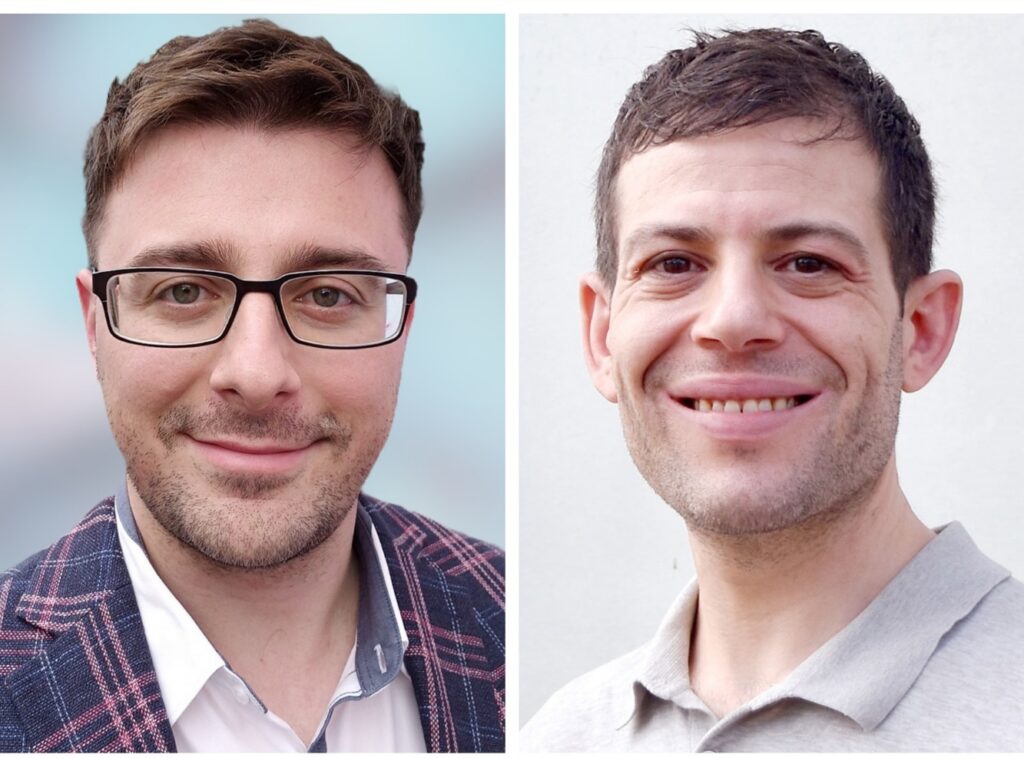
Dr Aksoy said the project is designed to deliver real‑world impact rather than contribute to the growing hype around AI in healthcare.
“PanaceAI is built for clinical reality. It gives doctors personalised predictions they can verify and explain to their patients. That transparency is essential for trust,” said Dr Aksoy, who is also a Chief Investigator on a $2.25 million NHMRC‑funded project investigating ethical and responsible AI governance in healthcare.
Associate Professor Daniel Hesselson, Head of Centenary’s Centre for Biomedical AI and a key collaborator on the work, said it reflects the Centre’s mission to translate AI research into tools that genuinely improve care.
“By improving the accuracy of risk assessment across both common and rare conditions, we hope PanaceAI will reduce avoidable treatments, improve survival outcomes, lower healthcare costs and strengthen Australia’s capability in safe, explainable medical AI.”
The project has attracted a total investment of $944,921, including contributions from industry partner Bionyeri Pty Ltd and the University of Sydney, and will support one PhD and two Masters students, helping train Australia’s next generation of clinical AI specialists. International collaborations with SOHO Global Health and Dharmais Cancer Hospital in Indonesia will ensure the platform is validated across diverse populations, enhancing its reliability and global relevance.