
New grant targets longer-lasting islet cell treatments for type 1 diabetes
 16 March, 2026

The three-year grant, will support a project aimed at improving the survival and performance of manufactured (lab-grown) insulin-producing cells, a promising approach to eliminate the need for insulin injections.
Type 1 diabetes is a condition in which the body destroys insulin producing cells in the pancreas. People with the condition must manage their blood sugar using insulin injections, and even with careful management, they remain at risk for long-term complications.
One emerging treatment approach involves implanting manufactured islet cells (lab-grown insulin-producing cells) into the body to provide the necessary insulin. Early clinical trials have shown encouraging results, but many implanted cells struggle to survive once in the body due to inflammation, low oxygen levels and other stresses.
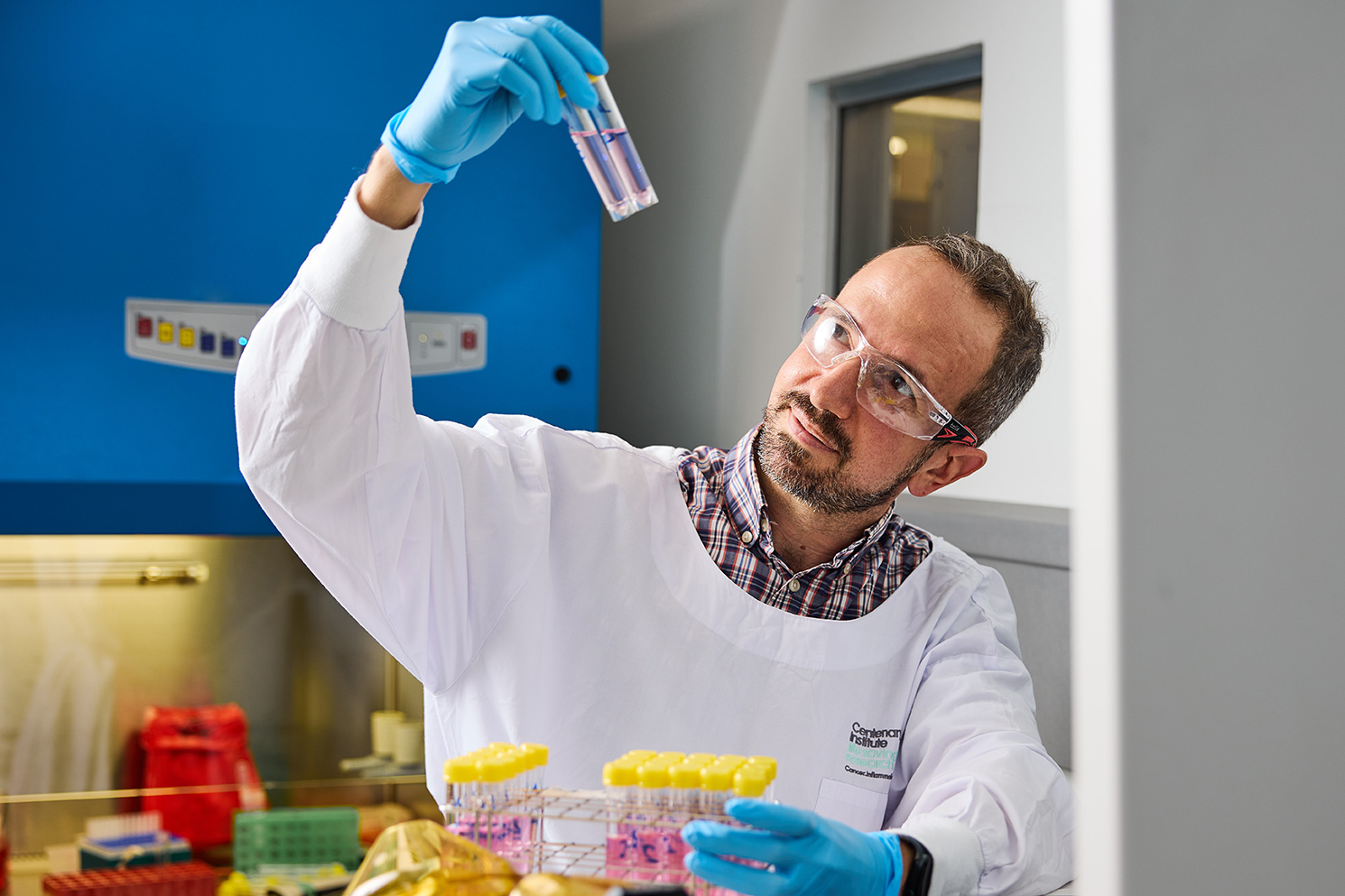
Dr Hunault’s research aims to overcome this challenge by strengthening the cells to better respond to the environment after being transplanted into the body. The focus is on enhancing proteins known as transcription factors, or ‘master switches’ that control how these cells develop, mature, and respond to their environment. Using a cutting-edge technique called directed evolution, the project hopes to develop more resilient versions of these proteins so that the cells can better withstand post-transplantation stress.
“Our goal is to help these insulin-producing cells survive longer and more reliably once they’re implanted,” Dr Hunault said. “If we can make them more resilient, we move closer to a treatment that restores the body’s ability to produce its own insulin.”
Dr Hunault says the hope is to bring safer, longer lasting treatments closer to reality for people living with type 1 diabetes.