
Skip to content
Home page - Centenary Institute Centenary Institute

Primary menu

  • Research
        • Research

          The latest medical research into our most complex health challenges across biomedical AI, cancer, cardiovascular diseases, immunity, age-related, rare and infectious diseases.

          Learn more

        • Biomedical AI
        • Cancer Innovations
        • Cardiovascular Research
        • Healthy Ageing
        • Infection & Immunity
        • Rare Diseases & Gene Therapy
        • Laboratories
        • Impact
        • Technologies
        • Commercialisation
  • Support us
        • Support us

          By supporting the Centenary Institute you can help improve human health through excellence in medical research.

          Learn more

        • Workplace giving
        • Host or join a fundraiser
        • Gift in your will
        • Donate in memory
        • Advise on our research
  • Careers & students
        • Careers & Students

          Postdoctoral and postgraduate students can work alongside world-leading medical researchers within state-of-the-art research facilities.

        • Careers
        • Study opportunities
  • News & events
        • News & Events

          Explore the latest research breakthroughs and ways you can take part in our series of digital and in-person events.

        • News
        • Statements
        • Events
        • Real stories
  • About us
        • About us

          We are world-leading independent medical research institute that drives collaboration to accelerate and translate solutions to our most complex health challenges.

          Learn more

        • Governance
        • Corporate information
        • Annual reports
        • Animals in research
        • Contact
  • Donate
    Centenary Institute > News > Gene discovery suggests new treatment approach for liver cancer

Gene discovery suggests new treatment approach for liver cancer

Date time 5 April, 2021
News Type News type Media release
In a comprehensive analysis of human gene activation data, researchers from the Centenary Institute have discovered that the dipeptidyl peptidase-4 (DPP4) gene family is strongly implicated in the development of human hepatocellular carcinoma (HCC), the most common type of primary liver cancer.

Reported in the journal ‘Cancers’, the research suggests that the DPP4 gene family and the four enzymes that it contains should be further studied to support potential new therapeutic approaches to fighting tumours found in the liver.

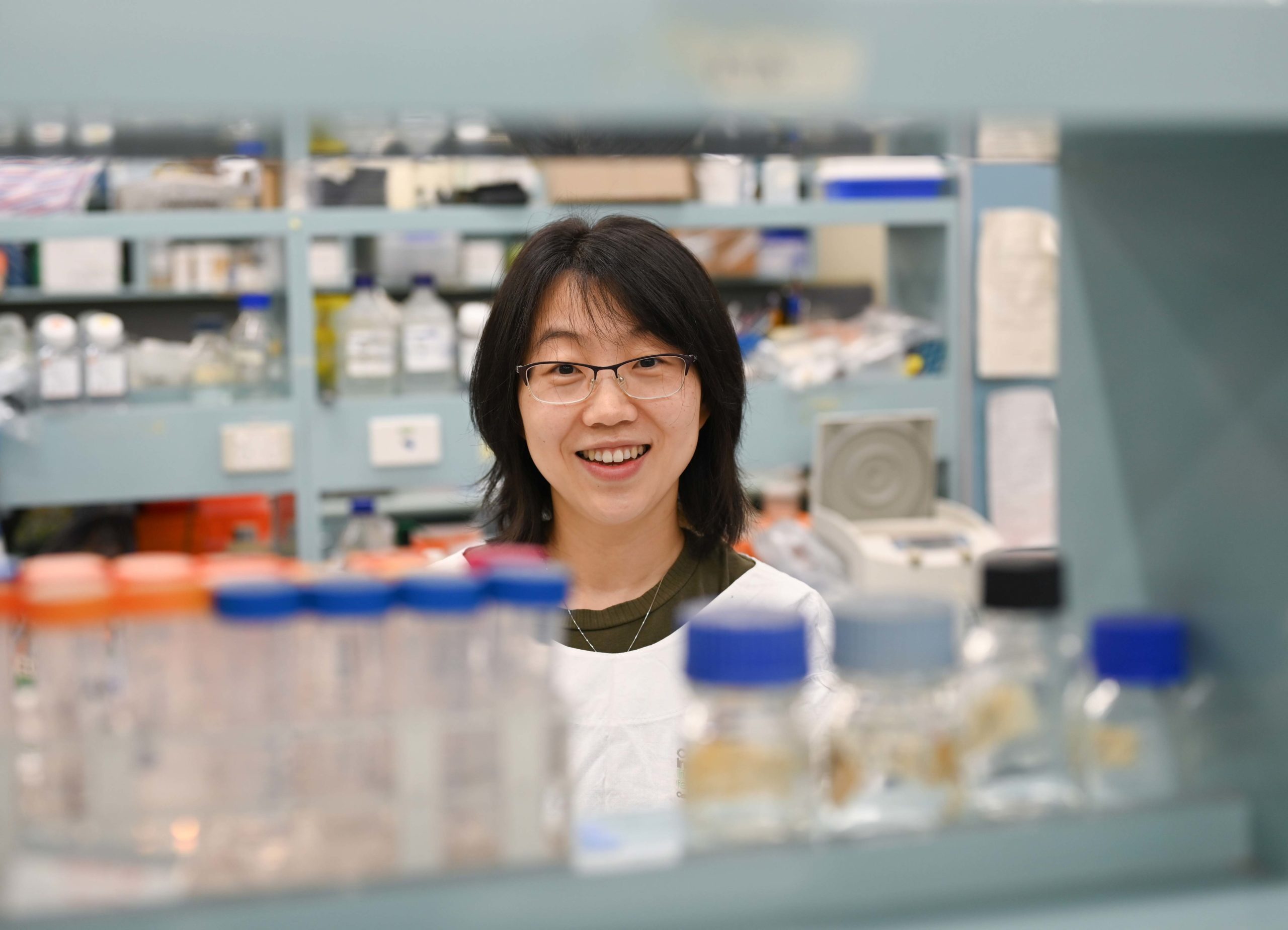
“In this study we interrogated a number of publicly accessible human gene databases including The Cancer Genome Atlas to identify cancers associated with the DPP4 gene family,” said Dr Hui Emma Zhang, researcher in the Centenary Institute’s Liver Enzymes in Metabolism and Inflammation Program and co-senior author on the paper.

“We were focused on the four enzymes of the DPP4 gene family– DPP4, DPP8, DPP9 and fibroblast activation protein (FAP). The role of the DPP9 enzyme was of particular interest as it hadn’t been studied previously with regard to liver cancer in humans,” Dr Zhang said.

Results from the data mining and subsequent analysis undertaken by the research team were revealing.

An association between high levels of the DPP9 enzyme and uterine and lung cancer was found suggesting that further investigatory work in both areas was required.

Elevated levels of DPP9, DPP4, FAP and DPP8 enzymes were also discovered in liver tumours and critically, were associated with poor survival rates in HCC patients.

“Our analysis indicates that high levels of all enzymes of the DPP4 family occur in liver cancers, which encourages us to target these enzymes as a possible new therapeutic approach to tackling the disease,” said Dr Zhang.

“With liver cancer incidence and mortality rates in Australia rapidly increasing new treatment options are urgently required both to improve and to save people’s lives.”

Over 2,000 Australians die each year from liver cancer. The five year survival rate for liver cancer is below 20%.

[ENDS]
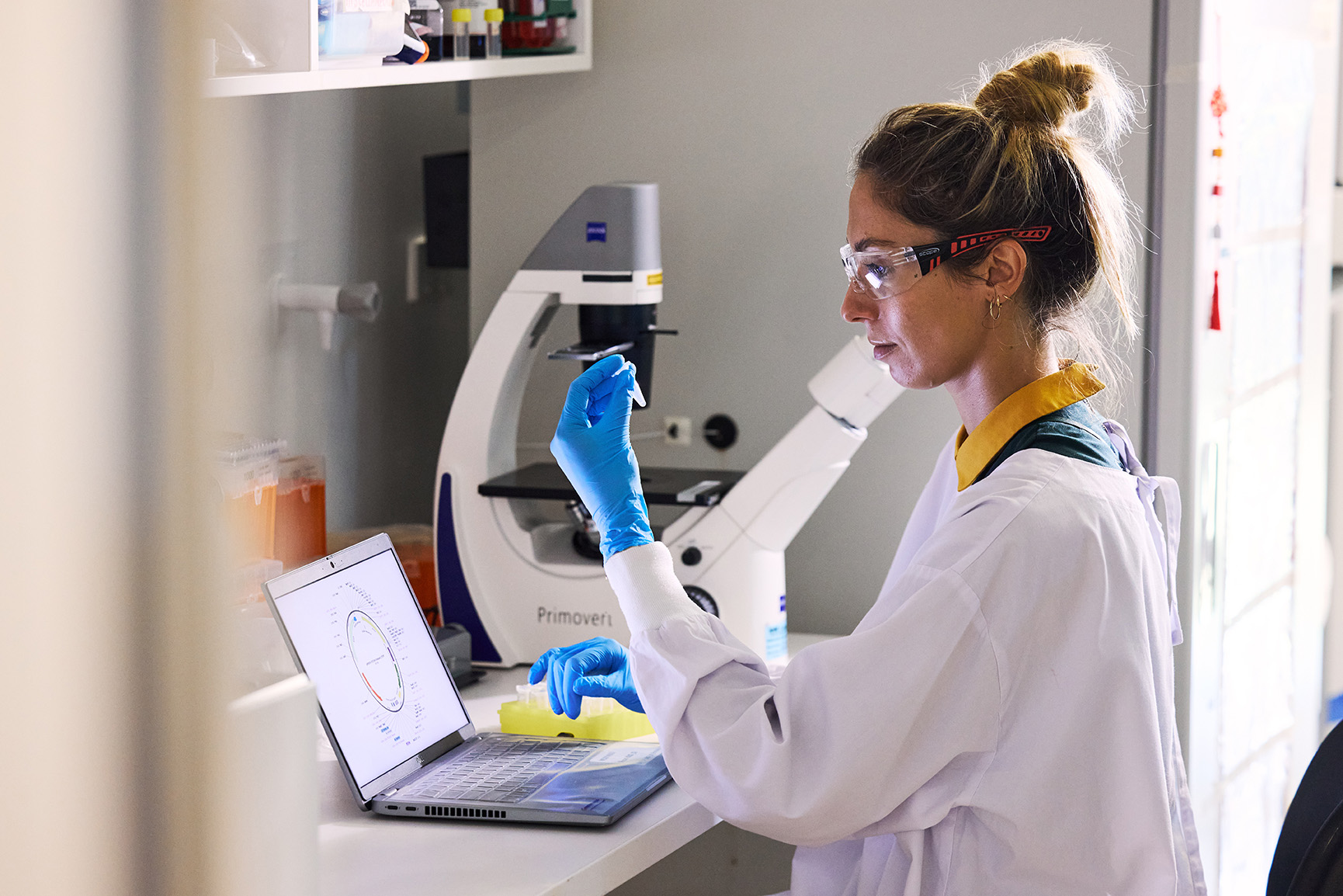
Publication: DPP9: Comprehensive in silico analyses of loss of function gene variants and associated gene expression signatures in human hepatocellular carcinoma.

Themes

  • Cancer Innovations

    Cancer Innovations

Media enquires

For all media and interview enquiries, please contact Tony Crawshaw

Phone number Phone Number +61 402 770 403

Email Email t.crawshaw@centenary.org.au

Media Release

Download

Recent Stories

  • Blood test discovery could help identify head and neck cancer patients at higher risk of relapse

    Researchers at the Centenary Institute, Chris O’Brien Lifehouse, NSW Health Pathology and Royal Prince Alfred Hospital have found a potential new way to help doctors identify which head and neck cancer patients may be at higher risk of their cancer returning, using a simple blood test.
    News Type: Media release
    Date 25 Feb 2026
  • New FAP-Index could transform early detection of severe liver disease

    Researchers from the Centenary Institute have developed a new diagnostic tool, the FAP-Index, that could significantly improve how doctors identify people at risk of serious liver damage caused by metabolic fatty liver disease. The condition affects around one in three Australians with cases projected to increase by 25% to over 7 million by 2030.
    News Type: Media release
    Date 20 Feb 2026
  • First‑of‑its‑kind AI platform to improve cancer treatment decisions

    Centenary researchers have been awarded funding to commercialise a first‑of‑its‑kind medical AI platform designed to improve treatment decisions and reduce unnecessary surgeries for Australian cancer patients. The project, funded through the Australian Government’s Australia’s Economic Accelerator (AEA) Ignite program and led by Dr Yagiz Aksoy, Senior Clinical Research Fellow at Centenary’s Centre for Biomedical AI, ...
    News Type: Research News
    Date 19 Feb 2026
  • New initiative to allow researchers to decode disease like never before

    The Centenary Institute and the University of Sydney have launched a major new initiative that brings next-generation spatial biology technologies together to transform how health threats such as cancer, cardiovascular diseases and infectious diseases are studied and understood.
    News Type: Research News
    Date 11 Feb 2026

Subscribe to receive news on
research updates and free events

Newsletter

The Centenary Institute is a world-leading independent Medical Research Institute.

We acknowledge the Gadigal of the Eora Nation, the traditional custodians of the Country on which the Centenary Institute stands.

About

  • About us
  • Governance
  • Corporate information

Research

  • Our researchers
  • News

Careers & studies

  • Career opportunities
  • Student opportunities
  • Life at Centenary

Links

  • Contact
  • Privacy statement
  • Staff Intranet

Contact us

Building 93, Royal Prince Alfred Hospital
Missenden Rd
Camperdown NSW 2050 Australia
Telephone +61 2 9565 6100
Fax +61 2 9565 6101

Contact Privacy

Centenary Institute ABN 22 654 201 090 (DGR 1) • Centenary Institute Medical Research Foundation ABN 85 778 244 012 (DGR 2)
© 2017 Centenary Institute of Cancer Medicine and Cell Biology.

  • Linkedin
  • Facebook
  • Twitter
  • Youtube
  • Instagram