Mapping how the body fights respiratory infections
 13 October, 2025

Respiratory infections are a leading cause of illness and death worldwide, affecting millions of people every year and place immense pressure on health systems.
The study, conducted through the global PREDICT-19 Consortium and published in Scientific Data, analysed blood samples from more than 500 patients across five countries. It covered COVID-19, influenza, sepsis and other infections, generating one of the most comprehensive datasets of its kind. The findings provide unprecedented insights into the immune system’s response to different infectious diseases.
This new dataset offers scientists a ‘reference map’ of how the immune system reacts to different infections. By comparing new patients’ blood profiles against this map, researchers will be able to spot early warning signs of severe disease, discover biomarkers that can lead to faster and more accurate diagnosis and develop more targeted treatments and prevention strategies.
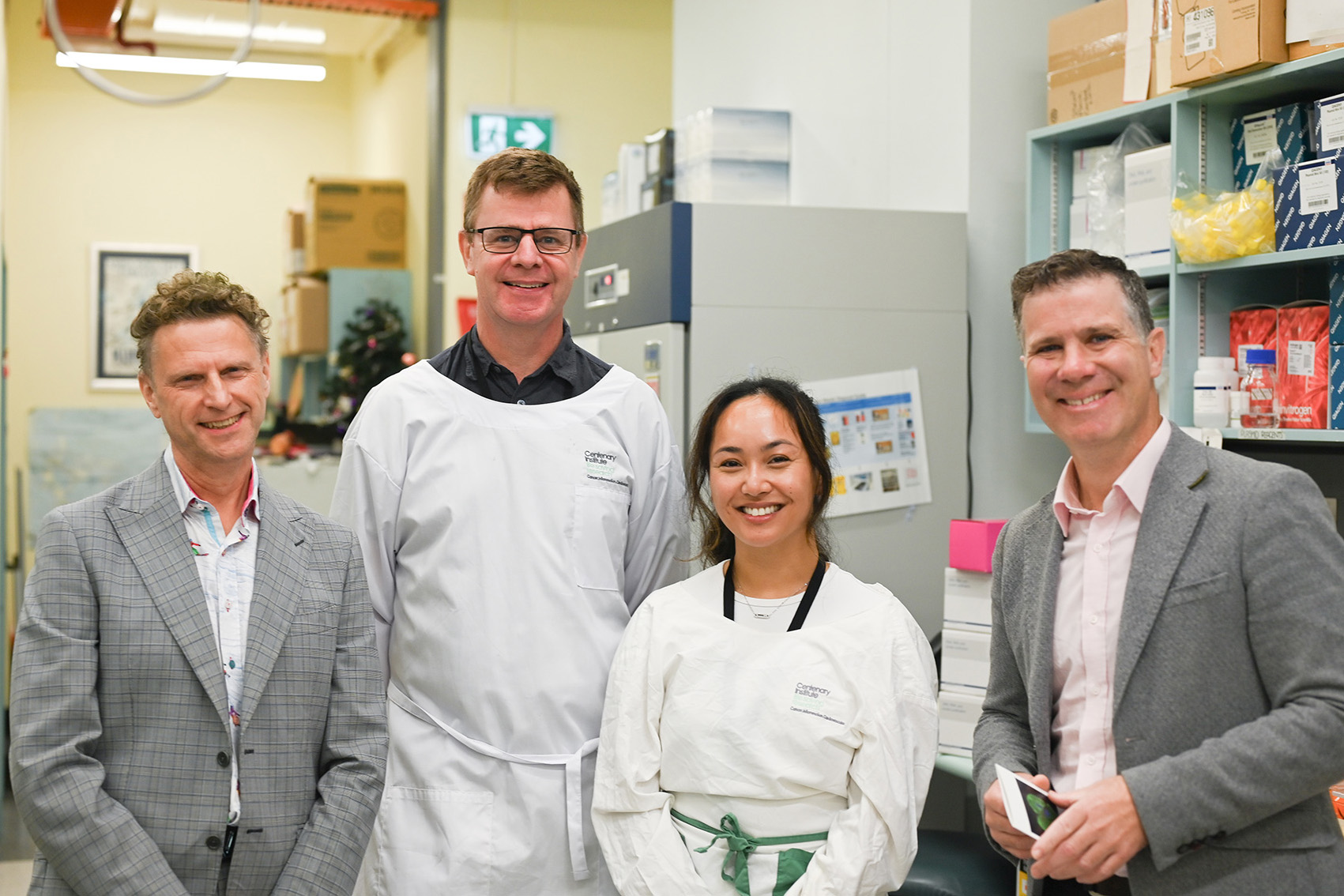
Professor Warwick Britton, study co-author and senior researcher at the Centenary Institute’s Centre for Infection & Immunity said that the Institute had provided COVID-19 samples and respiratory disease expertise to the collaboration.
“Respiratory infections remain one of the biggest health threats worldwide, claiming millions of lives each year,” said Professor Britton.
“By pooling knowledge and resources across countries, we’ve created a unique and powerful tool that will help researchers everywhere. This dataset not only strengthens our ability to improve patient care, but also boosts global preparedness for future outbreaks and pandemics.”
“By providing a baseline of how the body responds to known infections, we can rapidly detect what’s different when a new pathogen emerges, speeding up the development of diagnostic tests and guiding new treatments or vaccines,” he said.