
Skip to content
Home page - Centenary Institute Centenary Institute

Primary menu

  • Research
        • Research

          The latest medical research into our most complex health challenges across biomedical AI, cancer, cardiovascular diseases, immunity, age-related, rare and infectious diseases.

          Learn more

        • Biomedical AI
        • Cancer Innovations
        • Cardiovascular Research
        • Infection & Immunity
        • Rare Diseases & Gene Therapy
        • Laboratories
        • Impact
        • Technologies
        • Commercialisation
  • Support us
        • Support us

          By supporting the Centenary Institute you can help improve human health through excellence in medical research.

          Learn more

        • Workplace giving
        • Host or join a fundraiser
        • Gift in your will
        • Donate in memory
        • Advise on our research
  • Careers & students
        • Careers & Students

          Postdoctoral and postgraduate students can work alongside world-leading medical researchers within state-of-the-art research facilities.

        • Careers
        • Study opportunities
  • News & events
        • News & Events

          Explore the latest research breakthroughs and ways you can take part in our series of digital and in-person events.

        • News
        • Statements
        • Events
        • Real stories
  • About us
        • About us

          We are world-leading independent medical research institute that drives collaboration to accelerate and translate solutions to our most complex health challenges.

          Learn more

        • Governance
        • Corporate information
        • Annual reports
        • Animals in research
        • Contact
  • Donate
    Centenary Institute > News > SMH interviews Professor Chris Semsarian AM

SMH interviews Professor Chris Semsarian AM

Date time 11 July, 2021
News Type News type Media coverage
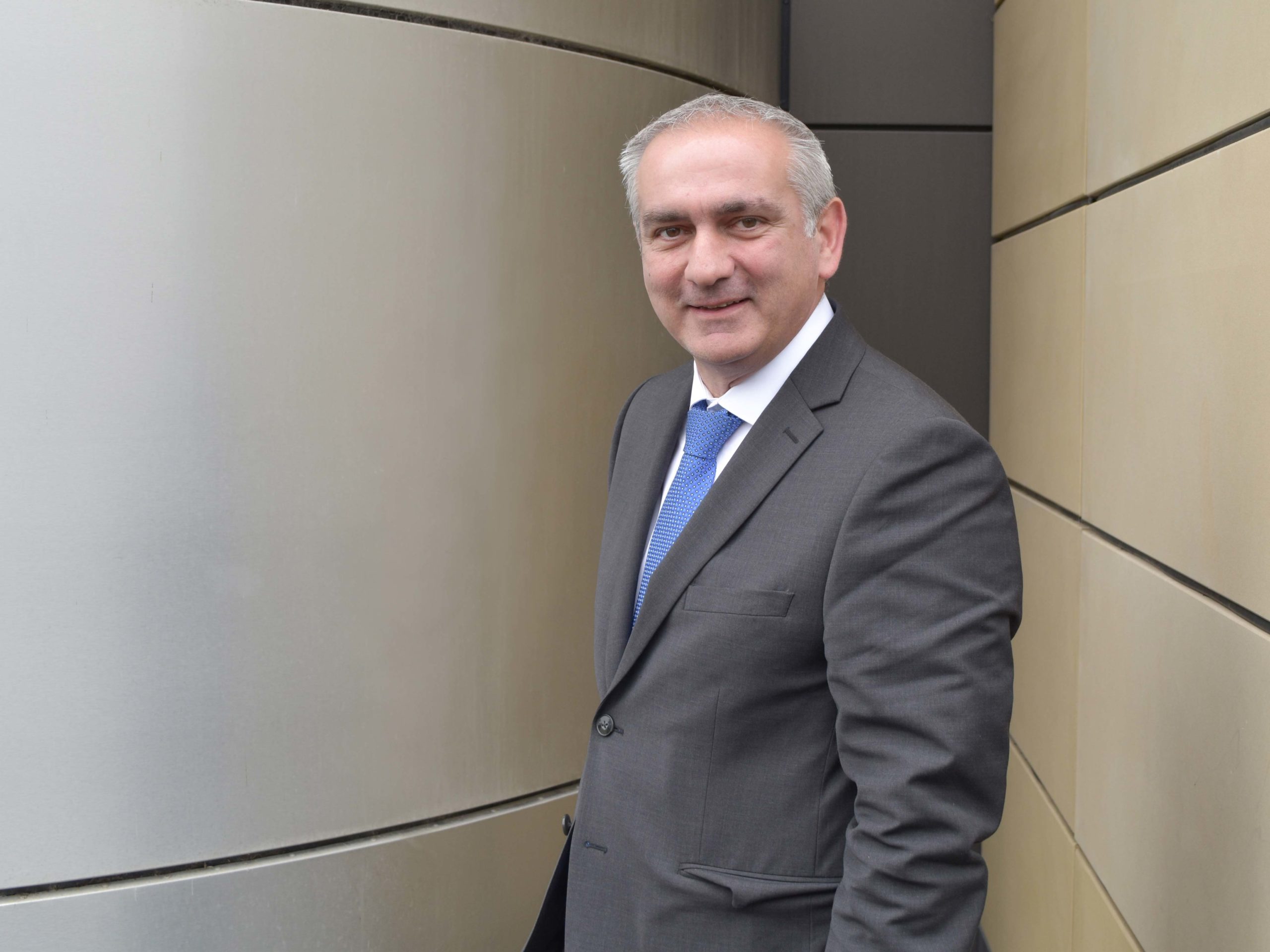
Professor Chris Semsarian AM, Head of the Agnes Ginges Centre for Molecular Cardiology at the Centenary Institute and spokesperson for the Cardiac Society of Australia and New Zealand, has been interviewed by the Sydney Morning Herald (SMH) on his response to recent studies linking Pfizer’s COVID-19 vaccine with myocarditis, particularly in young men.

Professor Chris Semsarian AM, Head of the Agnes Ginges Centre for Molecular Cardiology at the Centenary Institute and spokesperson for the Cardiac Society of Australia and New Zealand, has been interviewed by the Sydney Morning Herald (SMH) on his response to recent studies linking Pfizer’s COVID-19 vaccine with myocarditis, particularly in young men. In severe cases, myocarditis, inflammation of the heart muscle, can weaken the heart.

“Based on fairly limited studies with small numbers of patients, there is definitely a link between the Pfizer vaccine and myocarditis,” said Professor Semsarian.

“It is an association at this stage,” he said. “Causality needs to be proven with bigger numbers.”

“Regardless, there is a suspicion there is a link there.”

If it is proven the vaccine is causing the increased risk, Professor Semsarian said it was possible authorities would issue advice discouraging young males from receiving this particular vaccine.

“You might do something like avoid the second jab in young males, or use the AstraZeneca vaccine,” Professor Semsarian said.

“But everything in medicine is a balance of benefit and harm. In this situation, it is overwhelming the benefits of the vaccine’s protection from COVID-19 are much higher than the other scenario of not being vaccinated and getting severe life-threatening cardiac complications of COVID-19.”

Click here to view the full SMH news story online.

Further information about Professor Semsarian and the Agnes Ginges Centre for Molecular Cardiology at Centenary can be found here.

[ENDS]
Themes

  • Cardiovascular Research

    Cardiovascular Research

Media enquires

For all media and interview enquiries, please contact Tony Crawshaw

Phone number Phone Number +61 402 770 403

Email Email t.crawshaw@centenary.org.au

Recent Stories

  • New grant targets longer-lasting islet cell treatments for type 1 diabetes

    Dr Lise Hunault, a researcher in the Centenary Institute’s Centre for Biomedical AI, has been awarded a major research grant from Breakthrough T1D, the leading global type 1 diabetes research and advocacy organisation, to advance islet-cell replacement therapies for type 1 diabetes.
    News Type: Research News
    Date 16 Mar 2026
  • Centenary marks International Women’s Day with inspiring speakers

    The Centenary Institute community came together to celebrate International Women’s Day 2026, with a special event highlighting this year’s Australian theme, ‘Balancing the Scales.’
    News Type: Community
    Date 11 Mar 2026
  • Vaxosome launched to develop next-generation mRNA vaccines

    A new biotechnology company, Vaxosome, has been launched to develop next-generation vaccines aimed at tackling some of the world’s most challenging infectious diseases.
    News Type: Research News
    Date 10 Mar 2026
  • Centenary partners in transformative national liver health program

    The Snow Medical Research Foundation has today announced major long-term funding of $15.5 million for a new national research program targeting fatty liver disease, a condition that affects up to one in three Australians. The Centenary Institute will play a key role in the collaborative effort.
    News Type: Research News
    Date 05 Mar 2026

Subscribe to receive news on
research updates and free events

Newsletter

The Centenary Institute is a world-leading independent Medical Research Institute.

We acknowledge the Gadigal of the Eora Nation, the traditional custodians of the Country on which the Centenary Institute stands.

About

  • About us
  • Governance
  • Corporate information

Research

  • Our researchers
  • News

Careers & studies

  • Career opportunities
  • Student opportunities
  • Life at Centenary

Links

  • Contact
  • Privacy statement
  • Staff Intranet

Contact us

Building 93, Royal Prince Alfred Hospital
Missenden Rd
Camperdown NSW 2050 Australia
Telephone +61 2 9565 6100
Fax +61 2 9565 6101

Contact Privacy

Centenary Institute ABN 22 654 201 090 (DGR 1) • Centenary Institute Medical Research Foundation ABN 85 778 244 012 (DGR 2)
© 2017 Centenary Institute of Cancer Medicine and Cell Biology.

  • Linkedin
  • Facebook
  • Twitter
  • Youtube
  • Instagram