
Vaxosome launched to develop next-generation mRNA vaccines
 10 March, 2026
The company is a spin-out of the Centenary Institute and the University of Sydney, building on foundational research undertaken across both institutions.
Vaxosome is developing advanced multiplex mRNA vaccine technology. This approach allows a single vaccine to deliver multiple ‘instructions’ inside tiny fat particles called lipid nanoparticles.
These instructions teach the body to produce multiple antigens – harmless identification tags from a pathogen that trigger an immune response. By targeting multiple parts of a pathogen simultaneously, the vaccine provides broader and stronger protection.
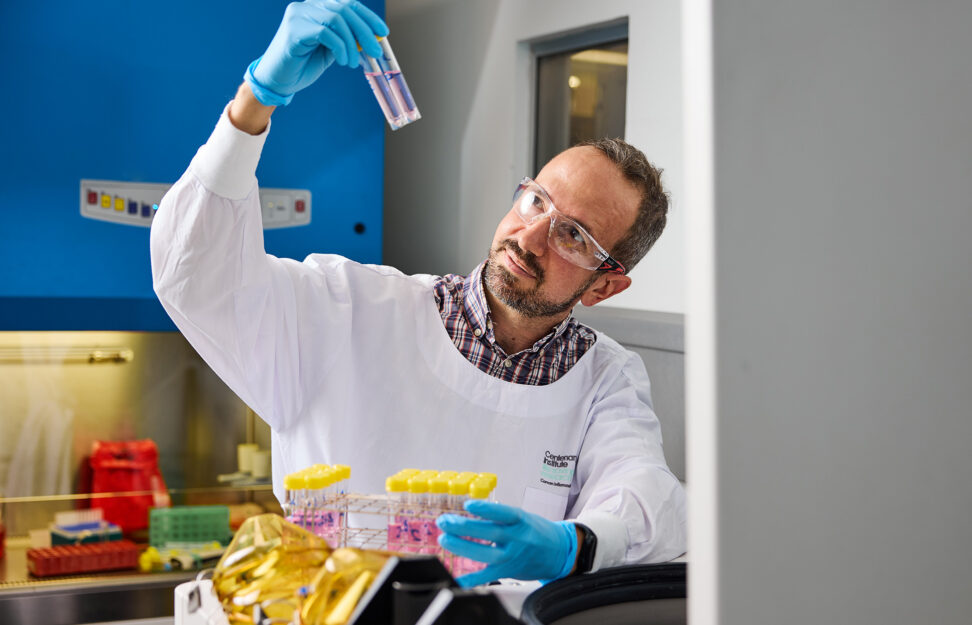
Dr Claudio Counoupas, co-founder of Vaxosome and researcher at the Centenary Institute, said the launch marked an important step in turning research discoveries into potential new vaccines.
“We use multiplex technology to package the instructions for multiple antigens into a single nanoparticle. This trains the body to fight more effectively and provides a shield against serious diseases like tuberculosis. It’s exciting progress towards developing new vaccines that can save lives and protect families from the world’s deadliest infections,” said Dr Counoupas.
The launch of Vaxosome coincides with its selection for an RNA Pipeline Grant, a part of the NSW Government’s RNA R&D Initiatives program.
The funding will support the early development of Vaxosome’s lead program, a multiplex mRNA vaccine targeting tuberculosis and help advance the vaccine towards future clinical testing.
Tuberculosis remains the world’s leading infectious disease killer, with more than 10 million cases and approximately 1.3 million deaths reported globally each year.
Dr Counoupas is joined by Professor Jamie Triccas and Associate Professor Megan Steain, both from the University of Sydney, as co-founders of Vaxosome.