Skip to content
Home page - Centenary Institute Centenary Institute

Primary menu

  • Research
        • Research

          The latest medical research into our most complex health challenges across biomedical AI, cancer, cardiovascular diseases, immunity, age-related, rare and infectious diseases.

          Learn more

        • Biomedical AI
        • Cancer Innovations
        • Cardiovascular Research
        • Healthy Ageing
        • Infection & Immunity
        • Rare Diseases & Gene Therapy
        • Laboratories
        • Diseases
        • Breakthroughs
        • Technologies
        • Commercialisation
  • Support us
        • Support us

          By supporting the Centenary Institute you can help improve human health through excellence in medical research.

          Learn more

        • Workplace giving
        • Host or join a fundraiser
        • Gift in your will
        • Donate in memory
        • Community and research
  • Careers & students
        • Careers & Students

          Postdoctoral and postgraduate students can work alongside world-leading medical researchers within state-of-the-art research facilities.

        • Careers
        • Study opportunities
  • Health hub
        • Health hub

          A range of practical information to assist in the possible preventions to disease through evidence-based research on how the body works.

          Learn more

        • Ageing
        • Exercise snack program
  • News & events
        • News & Events

          Explore the latest research breakthroughs and ways you can take part in our series of digital and in-person events.

        • News
        • Statements
        • Events
        • Real stories
  • About us
        • About us

          We are world-leading independent medical research institute that drives collaboration to accelerate and translate solutions to our most complex health challenges.

          Learn more

        • Governance
        • Corporate information
        • Annual reports
        • Our researchers
        • Animals in research
        • Contact
  • Donate
    Centenary Institute > News > What are stem cells?

What are stem cells?

Date time 29 April, 2023
News Type News type Discover
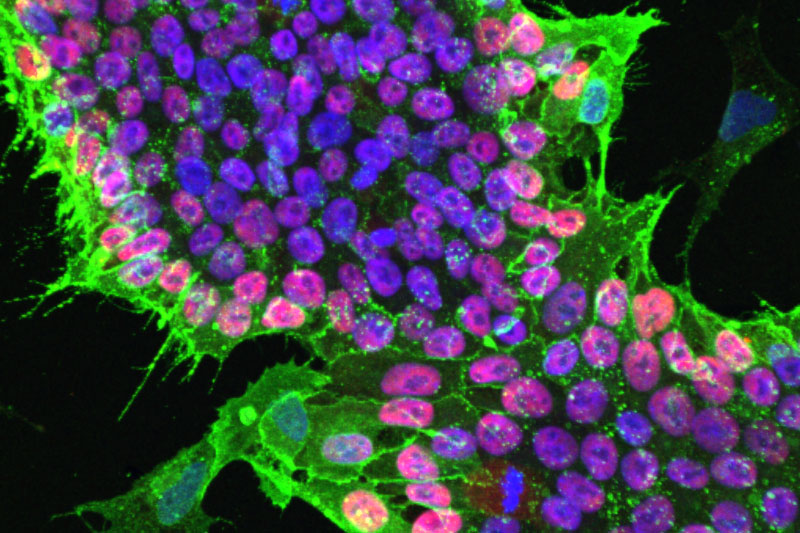
Induced pluripotent stem cell
You may have wondered what makes stem cells so important and why they are needed for medical research.

Stem cells are the body’s raw materials, they have the ability to divide indefinitely and are able to develop into many different specialised cells. This natural ability to generate new cell types is unique to the stem cell. They create cells that range from muscle cells to brain cells and they can, in some cases, fix damaged tissues.

How are stem cells used in research?

Areas of stem cell research include: 

  • basic research to understand cell biology
  • biomedical research to understand the development of disease
  • clinical treatments for replacing or regenerating disease tissues 
  • testing new drugs on stem cell-based tissues 

Stem cell research is important because it has the potential to both better understand and furthermore, cure diseases and injuries that currently have no effective treatments. Stem cells can develop into any type of cell in the body, making them valuable for repairing damaged tissues and organs.

What are the different types of stem cells?

The different types, include:

  • adult stem cells
  • embryonic stem cells (from embryos)
  • ‘induced pluripotent’ stem cells (made in a laboratory)
  • perinatal stem cells (from amniotic fluid and umbilical cord blood)

The field of stem cell research has advanced significantly with the use of adult or pluripotent stem cells (PSCs). The adult cells are found in small numbers in most tissues, such as bone marrow or fat. An induced pluripotent stem cell (iPSC), is an adult stem cell which has been altered in a lab to behave more like embryonic stem cells. This makes them beneficial for researchers wanting to learn about various human cells and diseases in the laboratory. 

In our image, induced pluripotent stem cells can be seen, derived from patients, that replicate unique heart cell behaviours in relation to genetic heart disease. They help us better understand a range of conditions and let us develop new therapeutic approaches that can both save and improve lives.

How are they used to treat people?

Although use of stem cell treatments in medicine is still in its early stages, they are currently being used to treat people with blood and immune system conditions, such as leukaemia and lymphoma. These treatments use stem cells from umbilical cord blood or bone marrow or haematopoietic stem cell transplantation.

In addition to these already established stem cell therapies, there is ongoing research and development of new stem cell therapies, which are currently being investigated in clinical trials involving people. The research community is also actively engaged in expanding our understanding of stem cells and their potential applications in overcoming various diseases.

Learn more about how this research is being applied to diseases.
Genetic Heart Disease
Graft versus Host Disease

Themes

  • Cancer Innovations

    Cancer Innovations
  • Cardiovascular Research

    Cardiovascular Research

Research Fields

  • Genetic heart disease

Media enquires

For all media and interview enquiries, please contact Tony Crawshaw

Phone number Phone Number +61 402 770 403

Email Email t.crawshaw@centenary.org.au

Recent Stories

  • New gene discoveries improve diagnosis of inherited heart disease

    Centenary Institute researchers have uncovered new genetic causes of inherited heart conditions, providing families with vital answers to guide treatment and prevention.
    News Type: Media release
    Date 13 Nov 2025
  • Centenary exhibits at Government House

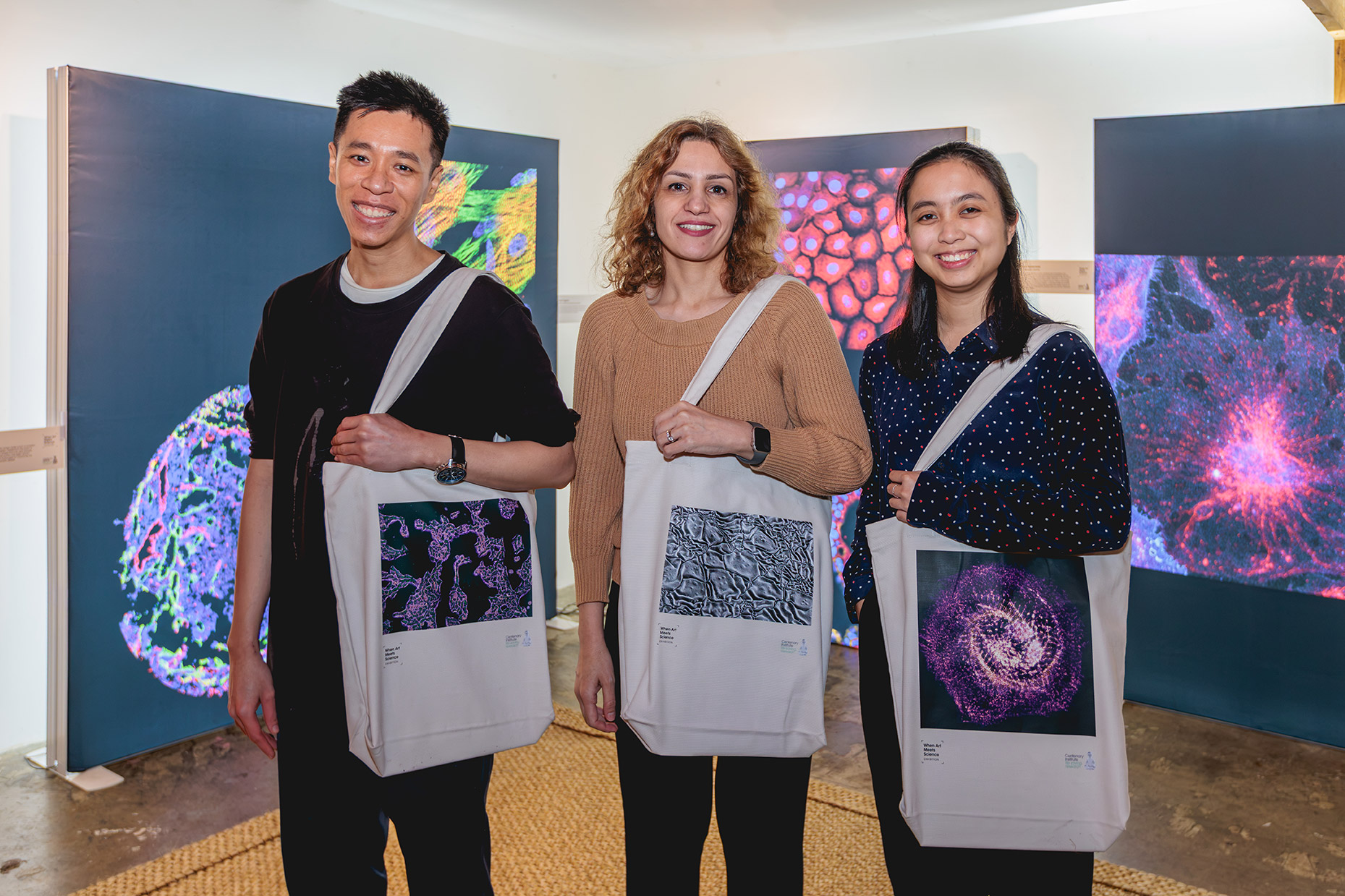
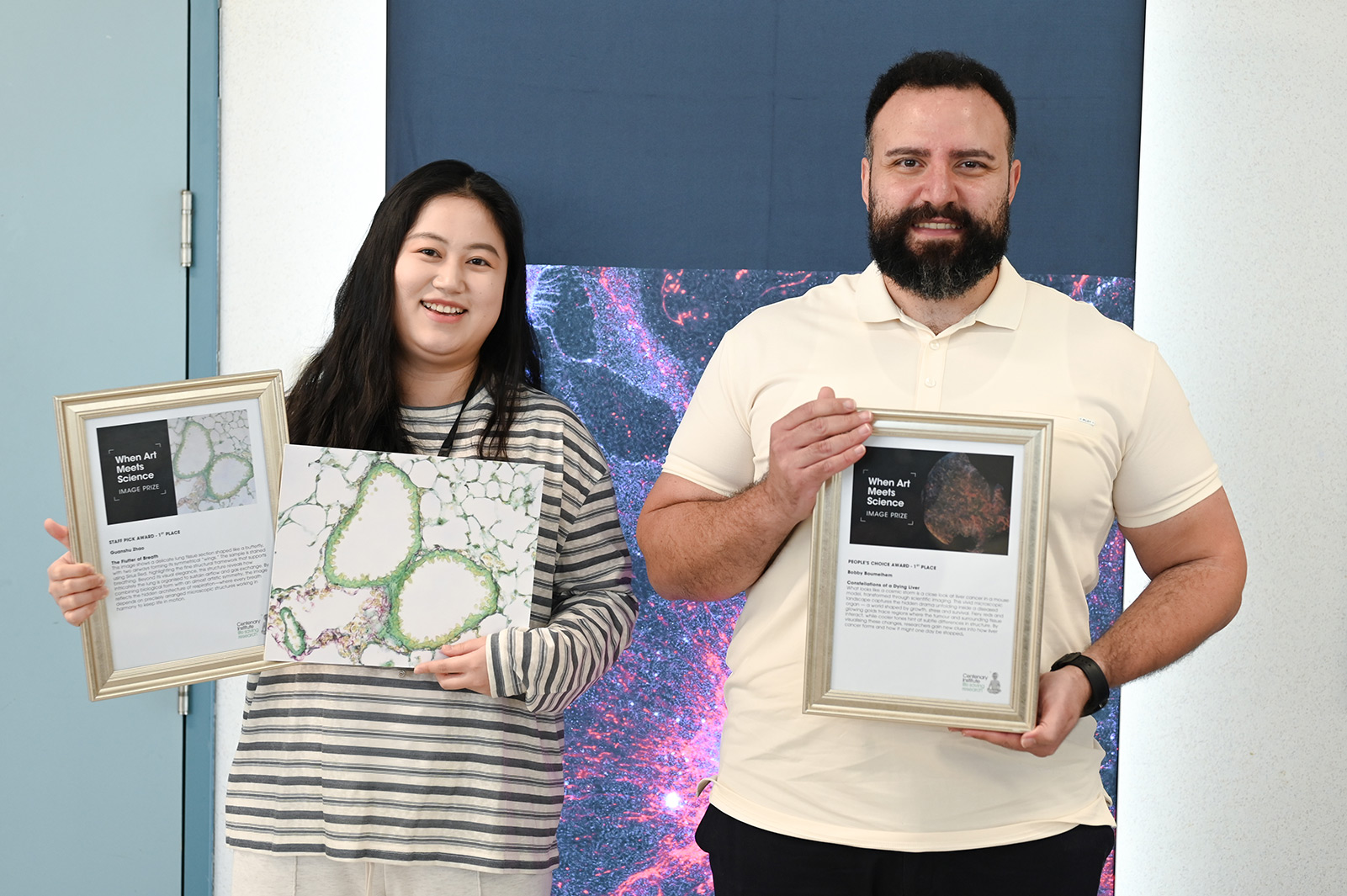
    The Centenary Institute has shared the beauty of science with the wider community through its When Art Meets Science exhibition, featured at Government House Sydney as a part of Sydney Open Day.
    News Type: Community
    Date 04 Nov 2025
  • Grant awarded to study gut-liver communication

    Associate Professor Patrick Bertolino, Head of the Centre for Infection & Immunity at the Centenary Institute, and Associate Professor David Bowen from the same centre, have been awarded a 2025 Gastroenterological Society of Australia (GESA) Project Grant. The $50,000 grant will support their study ‘Decoding Microbiome–Liver Communication via Portal Tracts.’
    News Type: Research News
    Date 22 Oct 2025
  • Mapping how the body fights respiratory infections

    The Centenary Institute has contributed to a major international study that has mapped how the human body responds to respiratory infections at a molecular level.
    News Type: Research News
    Date 13 Oct 2025

Subscribe to receive news on
research updates and free events

Newsletter

The Centenary Institute is a world-leading independent Medical Research Institute.

We acknowledge the Gadigal of the Eora Nation, the traditional custodians of the Country on which the Centenary Institute stands.

About

  • About
  • Governance
  • Corporate information

Research

  • Our researchers
  • News

Careers & studies

  • Career opportunities
  • Student opportunities
  • Life at Centenary

Links

  • Contact
  • Privacy statement
  • Staff Intranet

Contact us

Building 93, Royal Prince Alfred Hospital
Missenden Rd
Camperdown NSW 2050 Australia
Telephone +61 2 9565 6100
Fax +61 2 9565 6101

Contact Privacy

Centenary Institute ABN 22 654 201 090 (DGR 1) • Centenary Institute Medical Research Foundation ABN 85 778 244 012 (DGR 2)
© 2017 Centenary Institute of Cancer Medicine and Cell Biology.

  • Linkedin
  • Facebook
  • Twitter
  • Youtube
  • Instagram