Bailey Laboratory
We investigate how genetic diseases and cancers develop at the molecular level.
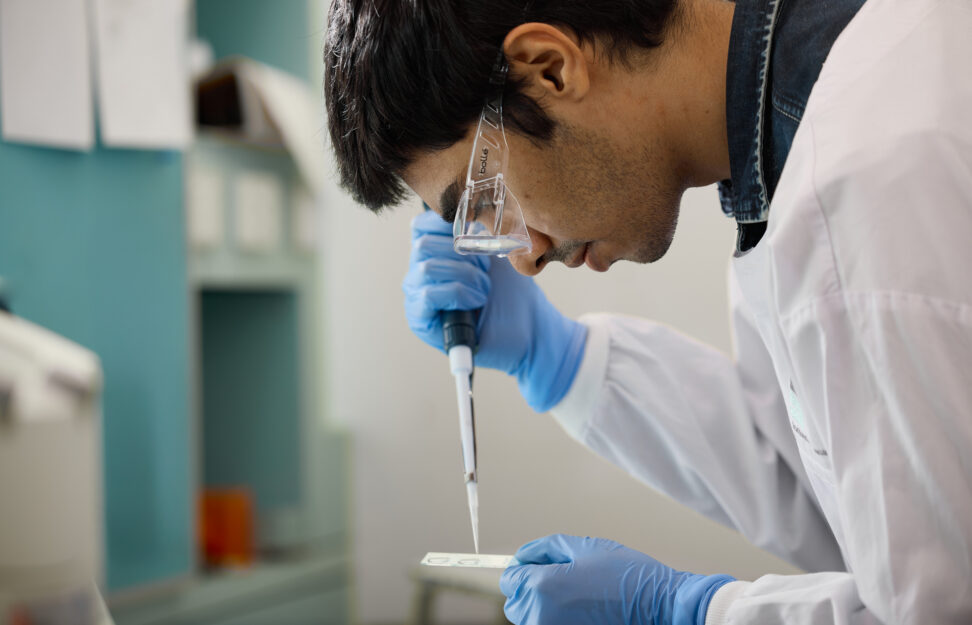
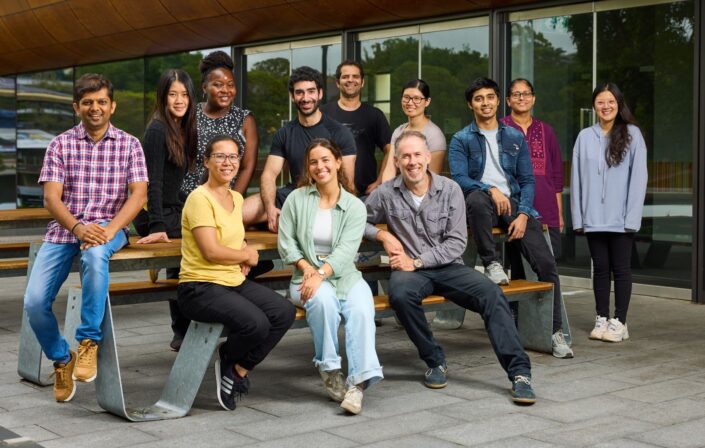
The Bailey Laboratory brings together experts from many scientific fields to understand what drives diseases at the molecular level. Our work spans molecular and cellular biology, genetics, biochemistry and bioinformatics, giving us a broad toolkit to investigate how diseases begin and progress.
We study key genes that normally protect cells from becoming cancerous, as well as the major regulators that control how genes are switched on and off. By examining how these systems break down—through harmful mutations or disrupted gene activity—we can uncover the root causes of disease. Using advanced “multi‑omics” technologies, we’re able to map the full biological picture rather than looking at just one layer at a time.
We’re also working to improve adeno‑associated virus (AAV) gene therapies for rare diseases by focusing on how these therapies interact with the human body. Recently, we discovered a previously unknown receptor on human cells, called AAVR2, which acts as a new entry point for AAV. This breakthrough could lead to safer, more effective gene therapies for conditions such as Duchenne muscular dystrophy, Pompe disease and haemophilia.



- Gene regulation
- Gene therapy
- Cancer pathogenesis
- Gene regulation
- Molecular Bbiology
- Bioinformatics
- Orchestrated Intron Retention Regulates Normal Granulocyte Differentiation
- Loss-of-function mutations in the glutamate transporter SLC1A1 cause human dicarboxylic aminoaciduria
- Iminoglycinuria and hyperglycinuria are discrete human phenotypes resulting from complex mutations in proline and glycine transporters
- Structure–function relationships explain CTCF zinc finger mutation phenotypes in cancer
- Expression is Essential for Somatic Cell Viability and Protection Against Cancer
People
-
Dr Chuck Bailey
Head, Centre for Rare Diseases & Gene Therapy
-
Dr Bijay Dhungel
Senior Research Officer
-
Dr Mehdi Sharifi Tabar
Research Officer -
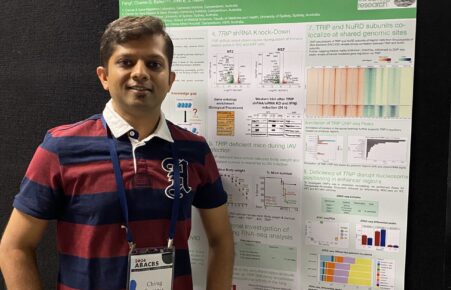
Dr Chirag Parsania
Research Officer -
Cynthia Metierre
Research Officer -
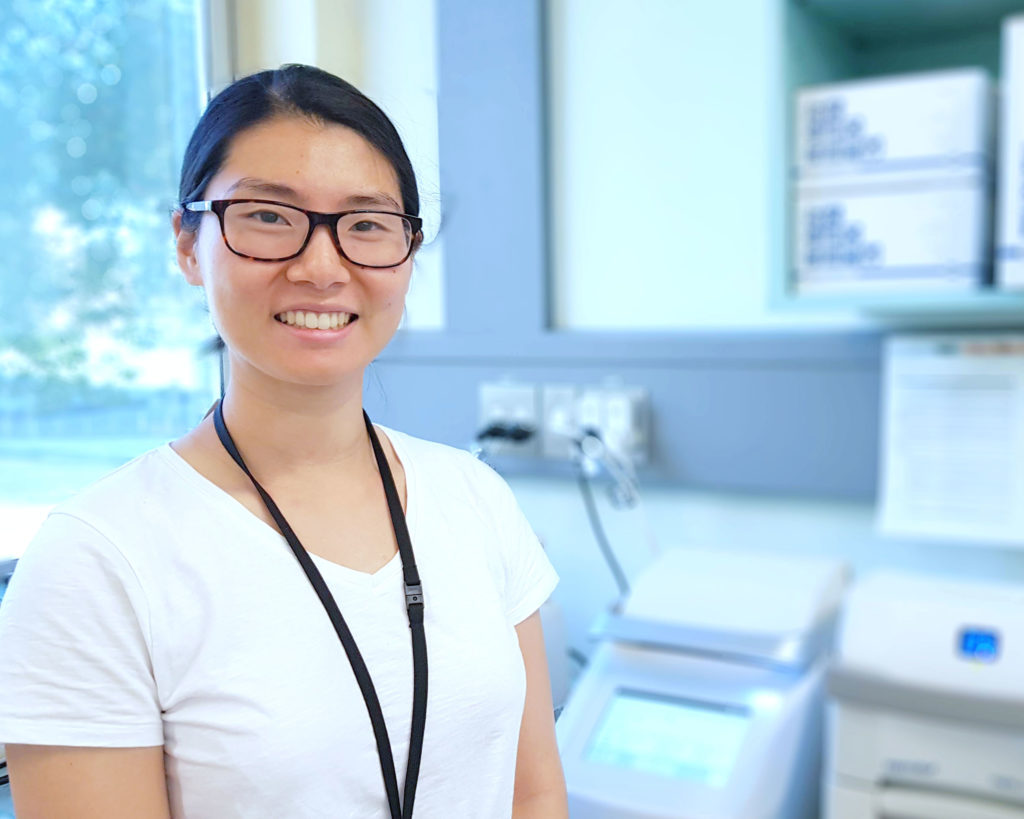
Julie Feng
Senior Research Assistant
-
Rajini Nagarajah
Senior Research Assistant -
Joseph Vitale
Research Assistant -
Harrison Bazley
SOMS Honours Student -
Elysha Lui
SOMS Honours Student -
Tinuoye Winjobi
Masters Student -
Atharva Shinde
Masters Student -
Patricia Ascanio
Masters Student -
Dominica Leaver
Biomedical Engineering Student -
Matilda Wynter
Mathew Vadas Award trainee




Student opportunities
The Bailey Laboratory is committed to developing and training the next generation of early career researchers. Multidisciplinary projects are currently available for prospective PhD, MPhil, Masters and honours students.
To learn more about current opportunities, please contact Dr Chuck Bailey.
Current opportunities:
Targeting Neuroinflammation with Novel Epigenetic Drugs
Projects: Honours, Masters & PhD
Project details
Primary Supervisor: Dr Mehdi Sharifi Tabar
Supervisory Team: Dr Chuck Bailey
Centre: Rare Diseases & Gene Therapy
Central nervous system-related autoimmune diseases, such as Aicardi-Goutières syndrome, and systemic conditions like Sjögren’s syndrome and systemic lupus erythematosus, are driven by the persistent overactivation of interferon-stimulated genes (ISGs). This persistent ISG activity causes inflammation and can lead to brain tissue damage. Currently, there are no effective treatments, highlighting an urgent need for innovative therapies. Our recent research has identified TRIP (Transcriptional Regulator of the Interferon Pathway) as a key epigenetic regulator of neuroinflammatory ISG expression, making it a highly promising therapeutic target for these diseases.
In this project, using a multidisciplinary approach, combining molecular, cellular, biochemical, and genetic experiments, we aim to examine two new immunoregulatory drugs that selectively target TRIP mRNA and protein to suppress neuroinflammatory ISGs.
* For intellectual property reasons, we have named the gene TRIP