

Hesselson Laboratory
We’re leveraging artificial intelligence to create smarter, more precise treatments for heart disease, cancer, and many other conditions.
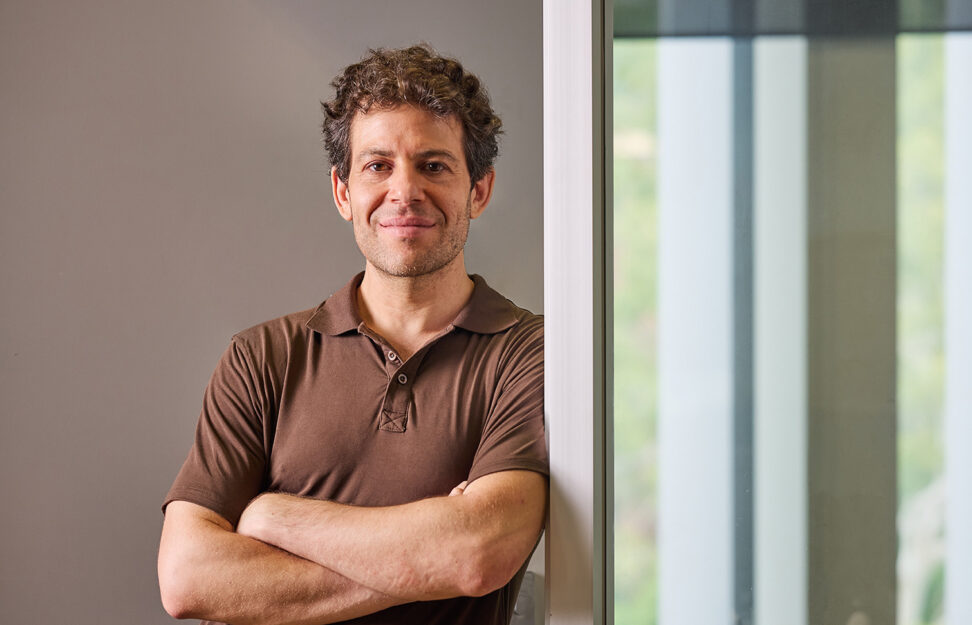
We’re working at the frontier of biomedical innovation, using artificial intelligence and next‑generation protein engineering to tackle some of the biggest challenges in human health.
Our major projects include:
-
Combing AI‑driven protein design with a powerful new mammalian directed‑evolution platform to regenerate heart tissue after a heart attack
-
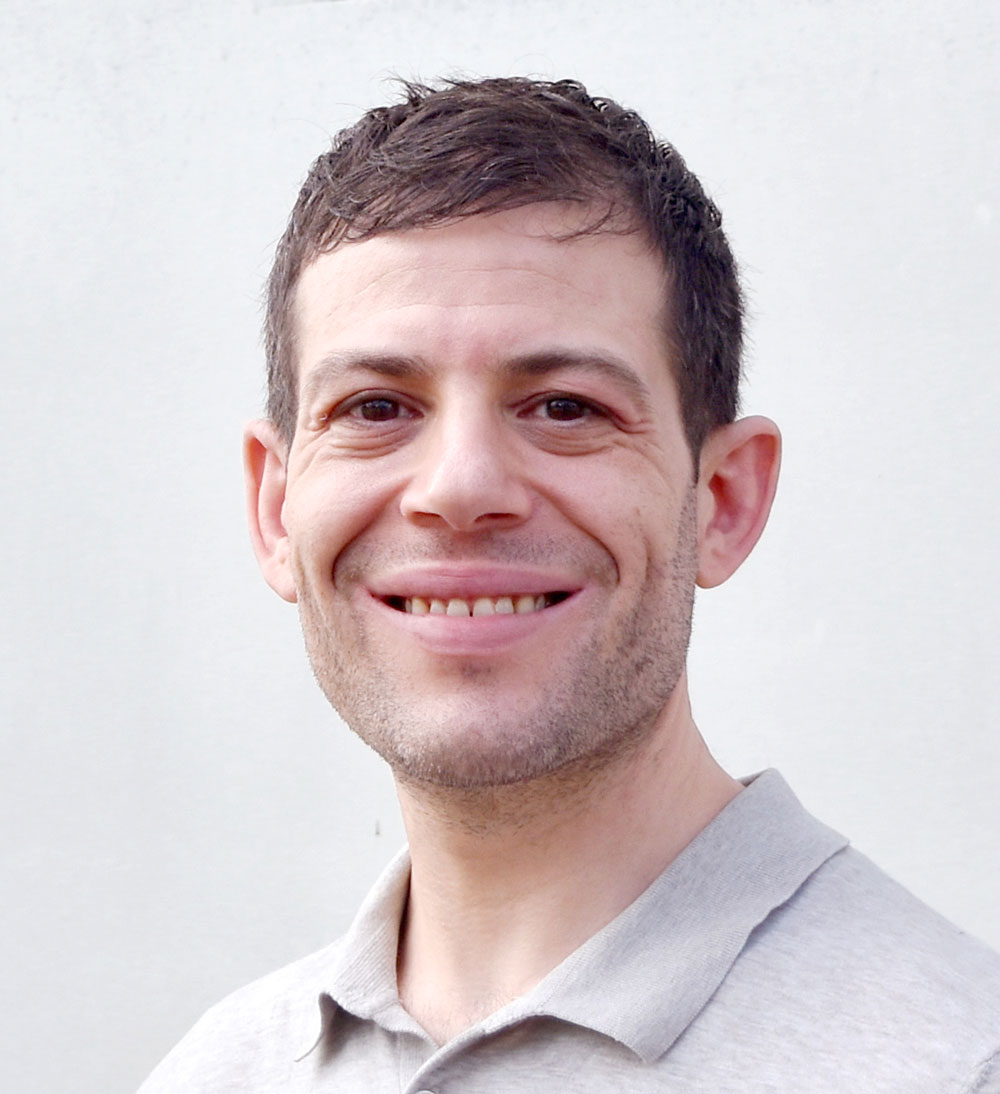
Associate Professor Daniel Hesselson
Head, Centre for Biomedical AI

- Cardiovascular disease
- Diabetes
- Cancer
- Synthetic biology
- Directed evolution
- A chimeric viral platform for directed evolution in mammalian cells
- The VEGAS Platform Is Unsuitable for Mammalian Directed Evolution
- Krüppel-like factor 1 is a core cardiomyogenic trigger in zebrafish
- Rescue of Pink1 Deficiency by Stress-Dependent Activation of Autophagy
- Zebrafish Regulatory T Cells Mediate Organ-Specific Regenerative Programs
People
-
Associate Professor Dan Hesselson
Head of Centre for Biomedical AI -
Dr Alex Cole
Research officer
-
Dr Lise Hunault
Research officer -
Dr Manuela Florido
Research officer -
Dr Nishanthi Mathiyalagan
Research officer -
Dr Yagiz Aksoy
Visiting researcher -
Matt Riley
Honours student -
Joshua Soon
Dalyell Student -
Abdul Lawal
Biomedical engineering intern




Student opportunities
Students in our lab will engage in cutting-edge research, gaining hands-on experience in molecular biology techniques, data analysis, and experimental design, while collaborating closely with leading experts in protein design and generative AI.
To learn more about student opportunities in the Hesselson lab and for more information about our generous PhD top-ups, please contact Associate Professor Dan Hesselson.
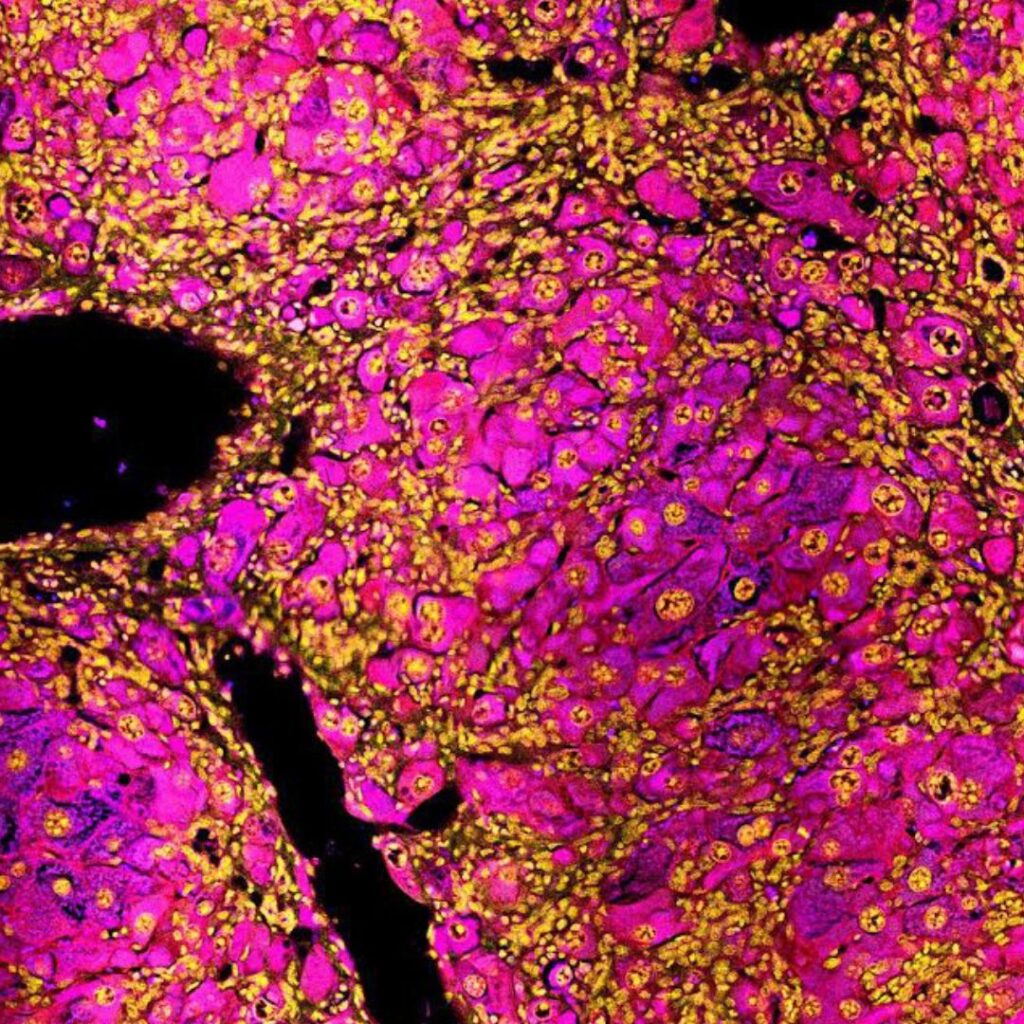
Directed evolution of liver hormones to enhance metabolism
Projects: Honours & PhD
Project details
Primary Supervisor: Associate Professor Daniel Hesselson
Supervisory Team: Dr Alex Cole
Centre: Biomedical AI
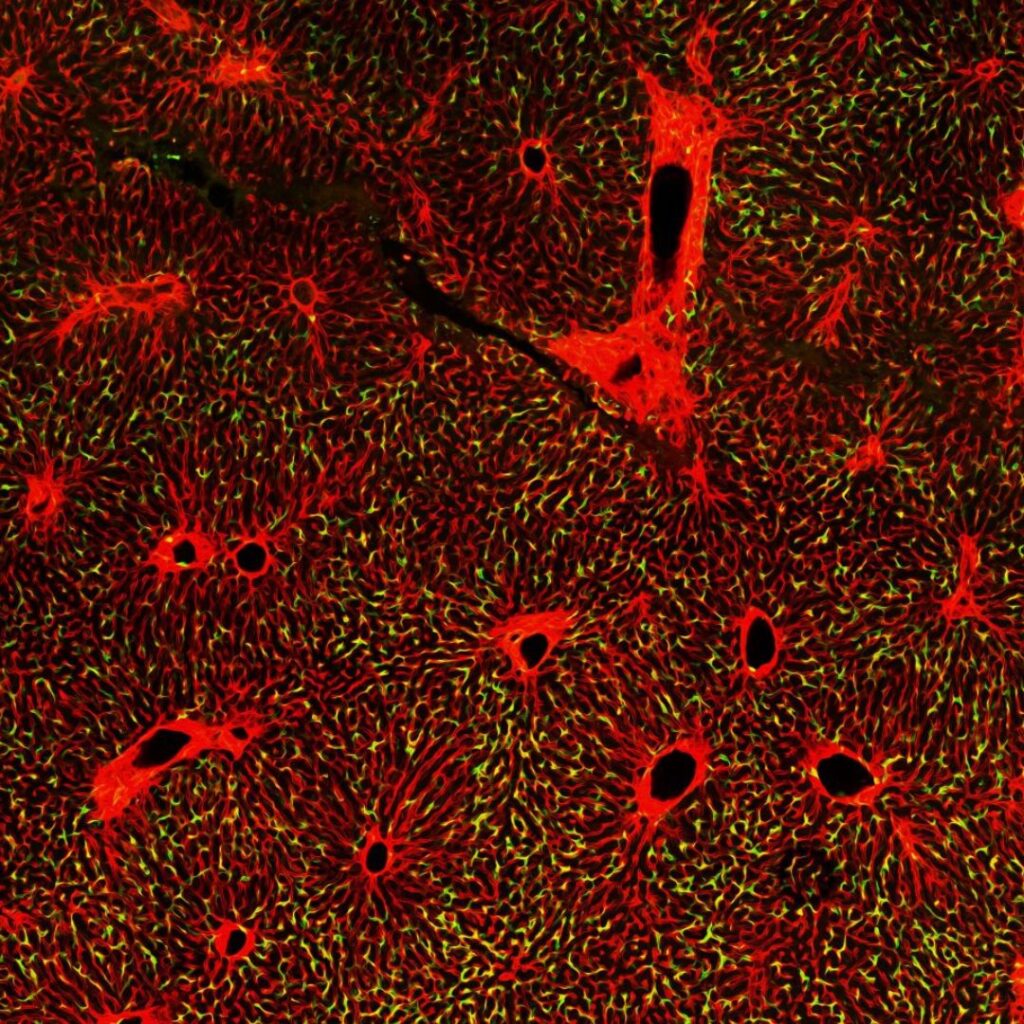
The hormone FGF21 is being developed as a therapy for type 2 diabetes and fatty liver with clinical trials showing promise for improving metabolic health including lowering liver fat and blood cholesterol. Natural FGF21 has a short-half life which has been extended by protein engineering to resist degradation or clearance from the body. However, stabilised FGF21 variants are typically less potent. This project will apply cutting edge directed evolution approaches to enhance the signaling activity (potency) of FGF21. The primary expected outcome is to produce a superior FGF21 molecule that could be commercialised as a fatty liver and/or diabetes therapy.
Enhancing the durability of stem cell-derived islets for type 1 diabetes
Projects: Honours & PhD
Project details
Primary Supervisor: Associate Professor Daniel Hesselson
Supervisory Team: Lise Hunault
Centre: Biomedical AI
Type 1 diabetes (T1D) results from the autoimmune destruction of insulin-producing beta cells, requiring continuous management of blood sugar levels. A lifelong cure for T1D will require regeneration or replacement of these cells. This project focuses on the transcription factor PDX1, which is a master regulator of pancreatic cell fate and is also essential for promoting optimal beta cell function. Excitingly, PDX1 both promotes regeneration and is critical for converting other pancreatic cell-types into beta cells. Our team uses directed evolution to engineer novel proteins in cells that model human disease. We have developed PDX1 variants with new properties that could enhance the function of stem cell-derived islets, which are the only renewable source of beta cells for curing T1D. The goal of this project is to determine which variant has the most potential for increasing the durability and function of transplanted islets, setting the stage for clinical translation.
Tumour-activated cancer immunotherapies
Projects: PhD
Project details
Primary Supervisor: Associate Professor Daniel Hesselson
Supervisory Team: Dr Alex Cole
Centre: Biomedical AI
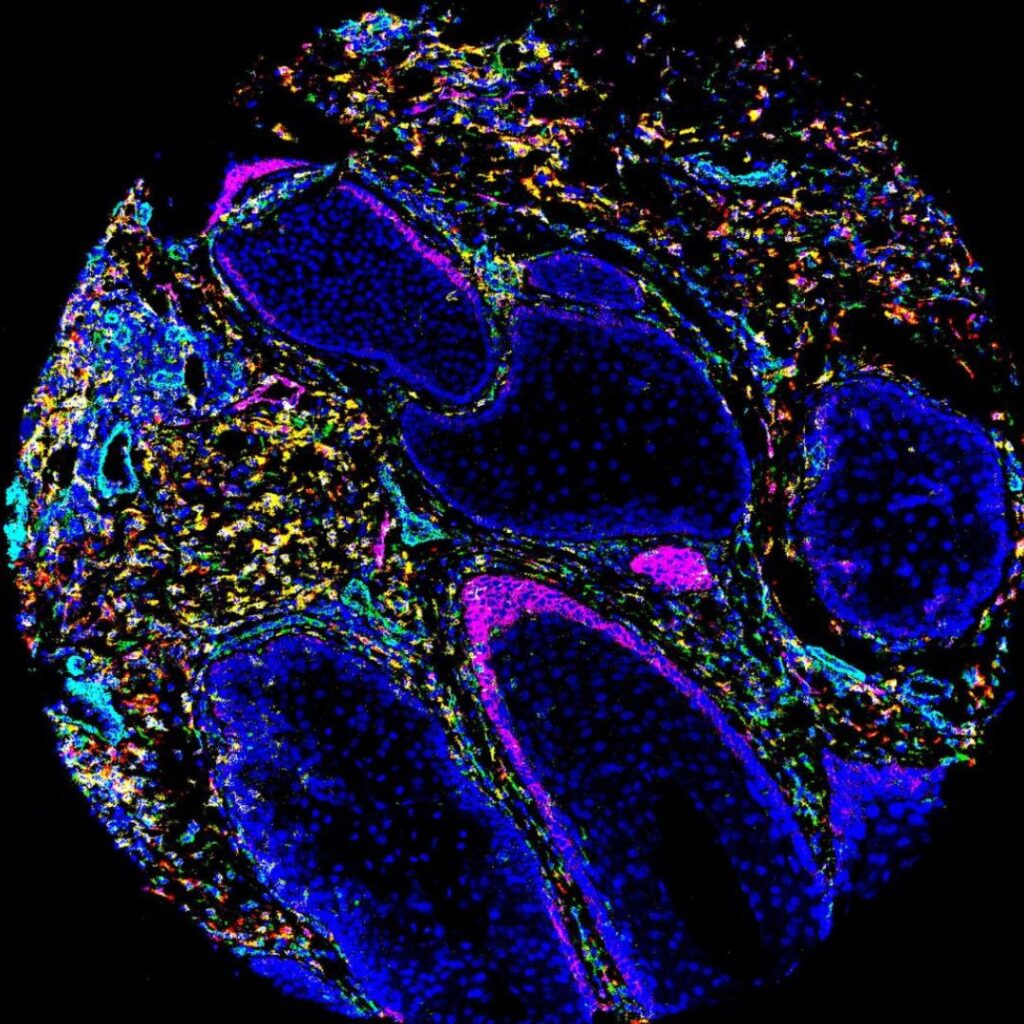
Solid tumours create an immunosuppressive microenvironment that limits the efficacy and safety of current immunotherapies, often leading to poor efficacy and off-target toxicity. This project aims to engineer next-generation protein and cellular therapies that are triggered by tumour-restricted signals such as hypoxia, acidic pH, or matrix metalloproteinase activity. Using our directed evolution and rational protein design platform, you will develop and test novel therapies in cell-based models, then evaluate them for safety and therapeutic benefit in mouse models of solid cancer. The goal of this research is to identify the most promising tumour-activated immunotherapeutics, laying the groundwork for more potent and less toxic cancer treatments.
Novel delivery systems to empower complete repair after a heart attack
Projects: Honours & PhD
Project details
Primary Supervisor: Associate Professor Daniel Hesselson
Supervisory Team: Manuela Florido
Centre: Biomedical AI
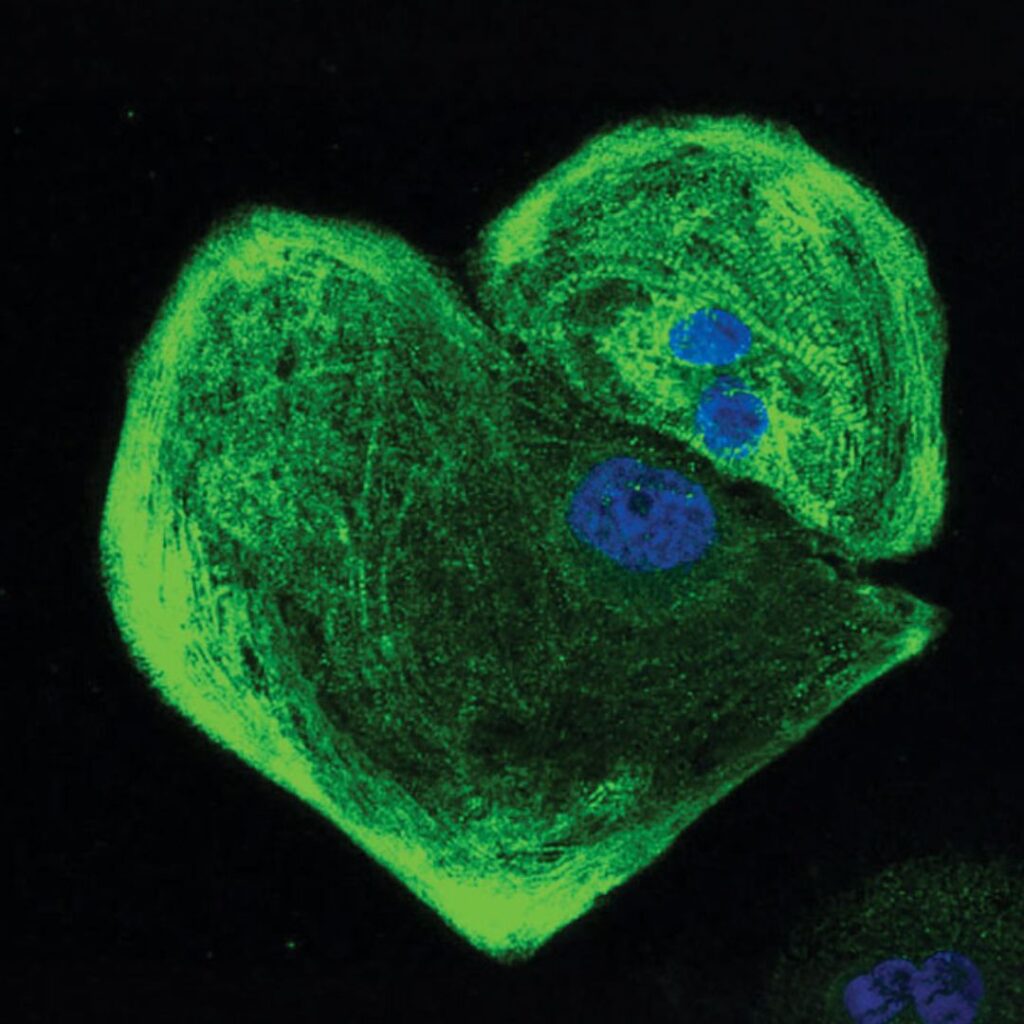
Myocardial infarction (MI) results from the sudden loss of blood flow to cardiac tissue, causing massive cardiomyocyte death and subsequent scar formation that impairs pump function. Current clinical interventions stabilise patients and limit further damage but cannot regenerate lost myocardium. This project targets that unmet need by engineering protein therapeutics and delivering them at the optimal time and place to maximise cardiomyocyte survival, proliferation, and neovascularisation. Using our directed evolution and rational design platform, we have already generated lead protein candidates. The aim of this research is to deliver these candidates in in vitro human cardiomyocyte cultures and in vivo rodent MI models to identify the most potent regenerators, setting the stage for future preclinical and clinical translation.