Skip to content
Home page - Centenary Institute Centenary Institute

Primary menu

  • Research
        • Research

          The latest medical research into our most complex health challenges across biomedical AI, cancer, cardiovascular diseases, immunity, age-related, rare and infectious diseases.

          Learn more

        • Biomedical AI
        • Cancer Innovations
        • Cardiovascular Research
        • Infection & Immunity
        • Rare Diseases & Gene Therapy
        • Laboratories
        • Impact
        • Technologies
        • Commercialisation
  • Support us
        • Support us

          By supporting the Centenary Institute you can help improve human health through excellence in medical research.

          Learn more

        • Workplace giving
        • Host or join a fundraiser
        • Gift in your will
        • Donate in memory
        • Advise on our research
  • Careers & students
        • Careers & Students

          Postdoctoral and postgraduate students can work alongside world-leading medical researchers within state-of-the-art research facilities.

        • Careers
        • Study opportunities
  • News & events
        • News & Events

          Explore the latest research breakthroughs and ways you can take part in our series of digital and in-person events.

        • News
        • Statements
        • Events
        • Real stories
  • About us
        • About us

          We are world-leading independent medical research institute that drives collaboration to accelerate and translate solutions to our most complex health challenges.

          Learn more

        • Governance
        • Corporate information
        • Annual reports
        • Animals in research
        • Contact
  • Donate
    Centenary Institute > News > First‑of‑its‑kind AI platform to improve cancer treatment decisions

First‑of‑its‑kind AI platform to improve cancer treatment decisions

Date time 19 February, 2026
News Type News type Research News

Centenary researchers have been awarded funding to commercialise a first‑of‑its‑kind medical AI platform designed to improve treatment decisions and reduce unnecessary surgeries for Australian cancer patients.

The project, funded through the Australian Government’s Australia’s Economic Accelerator (AEA) Ignite program and led by Dr Yagiz Aksoy, Senior Clinical Research Fellow at Centenary’s Centre for Biomedical AI, will translate years of research‑only models into a secure, deployable clinical tool called PanaceAI.

Cancer is Australia’s leading cause of disease burden, responsible for about 50,000 deaths each year and costing the health system over $10 billion annually. However, current guidelines misjudge patient risk in up to 40 per cent of cases, resulting in avoidable surgeries, unnecessary chemotherapy and preventable relapse.

PanaceAI aims to address this by providing precise, personalised risk assessments that show clinicians exactly which factors drive each recommendation. Early studies involving more than 6,000 patients with colorectal polyps, thyroid cancer and mesothelioma have shown accuracy improvements of up to 32 per cent and a 25 per cent reduction in unnecessary thyroid operations.

The platform is the first Australian‑developed technology built with disease‑agnostic architecture, enabling future expansion into additional clinical areas including dermatology and ophthalmology. The new funding will support conversion to a clinical‑grade system and expansion into breast and prostate cancer and melanoma — together responsible for more than 64,000 new cases in Australia annually — as well as rare autoimmune blistering diseases.
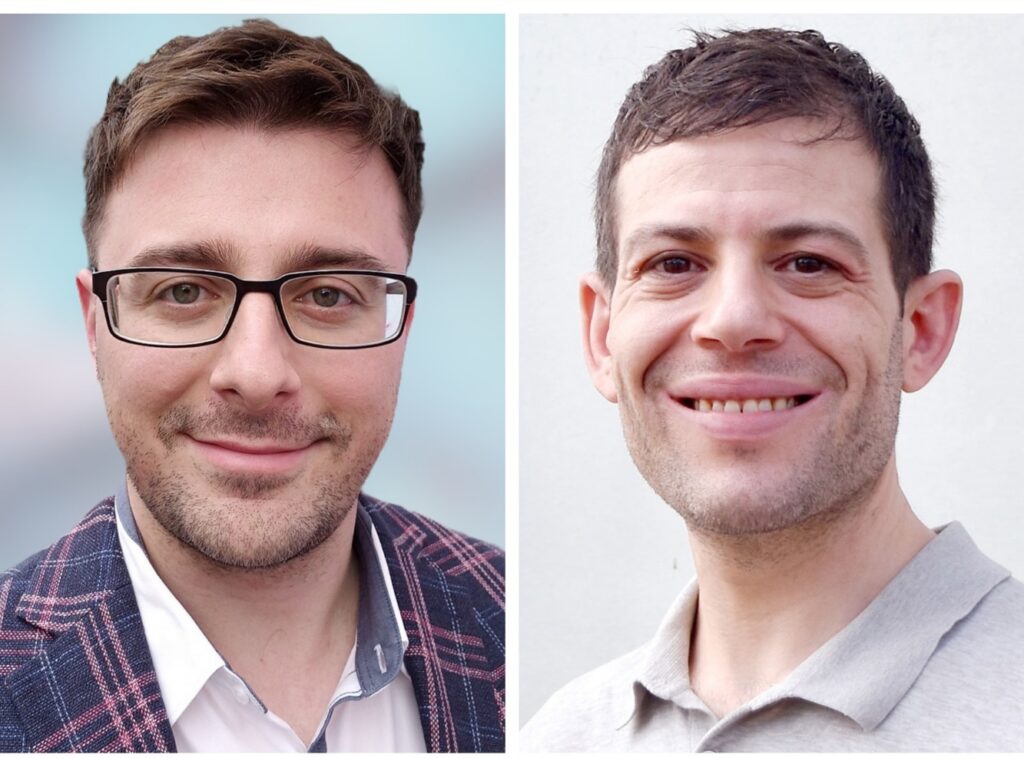
Dr Yagiz Aksoy, Senior Clinical Research Fellow (left) and Associate Professor Daniel Hesselson, Head of Centenary’s Centre for Biomedical AI (right) will collaborate on the first Australian‑developed AI platform with a disease‑agnostic design that assists clinicians with personalised treatment plans for their patients.

Dr Aksoy said the project is designed to deliver real‑world impact rather than contribute to the growing hype around AI in healthcare.

“PanaceAI is built for clinical reality. It gives doctors personalised predictions they can verify and explain to their patients. That transparency is essential for trust,” said Dr Aksoy, who is also a Chief Investigator on a $2.25 million NHMRC‑funded project investigating ethical and responsible AI governance in healthcare.

Associate Professor Daniel Hesselson, Head of Centenary’s Centre for Biomedical AI and a key collaborator on the work, said it reflects the Centre’s mission to translate AI research into tools that genuinely improve care.

“By improving the accuracy of risk assessment across both common and rare conditions, we hope PanaceAI will reduce avoidable treatments, improve survival outcomes, lower healthcare costs and strengthen Australia’s capability in safe, explainable medical AI.”

The project has attracted a total investment of $944,921, including contributions from industry partner Bionyeri Pty Ltd and the University of Sydney, and will support one PhD and two Masters students, helping train Australia’s next generation of clinical AI specialists. International collaborations with SOHO Global Health and Dharmais Cancer Hospital in Indonesia will ensure the platform is validated across diverse populations, enhancing its reliability and global relevance.

People

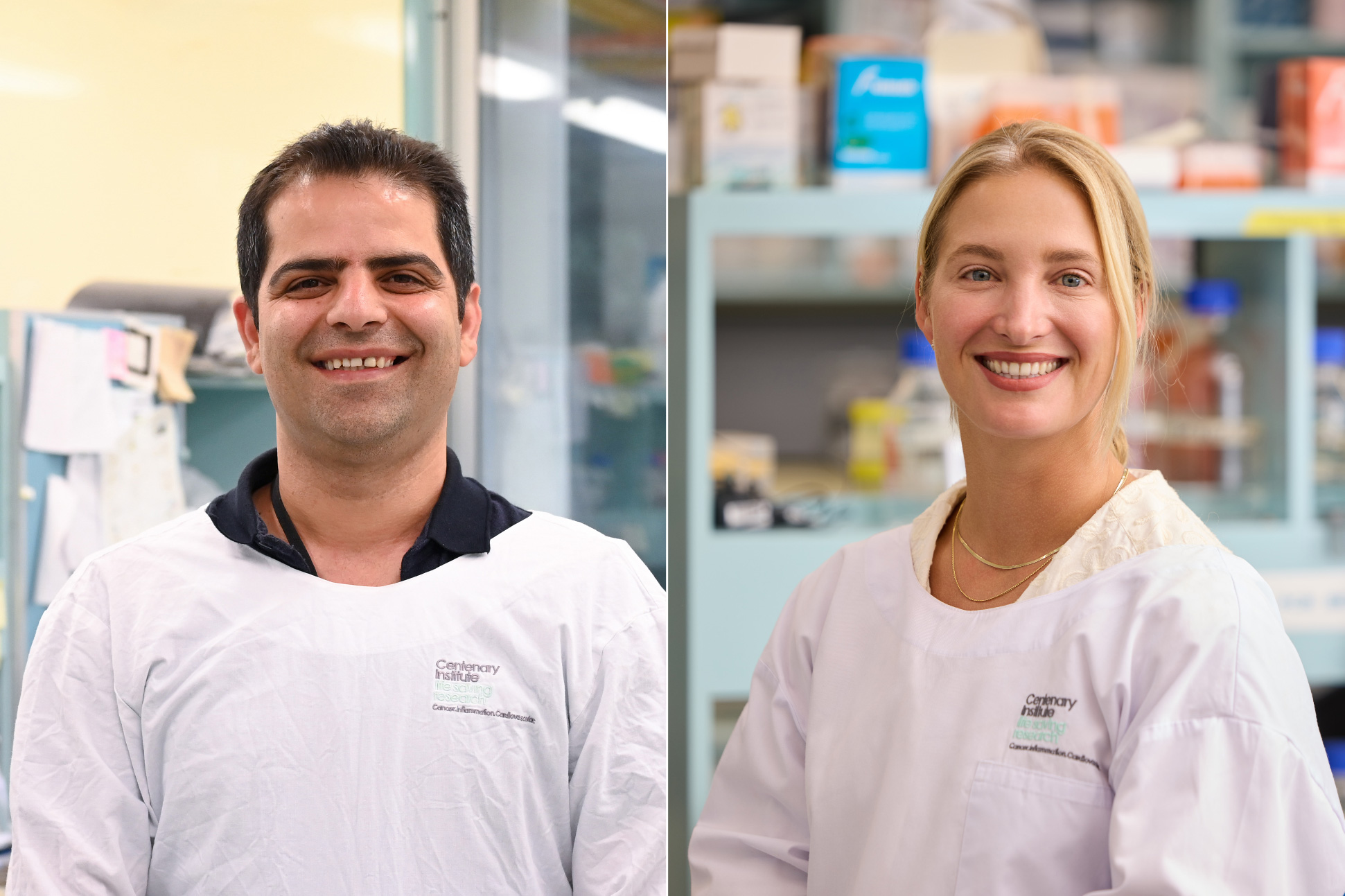
  • Associate Professor Daniel Hesselson

    Head, Centre for Biomedical AI

Media enquires

For all media and interview enquiries, please contact Tony Crawshaw

Phone number Phone Number +61 402 770 403

Email Email t.crawshaw@centenary.org.au

Recent Stories

  • Medical research captured as art in annual image prize

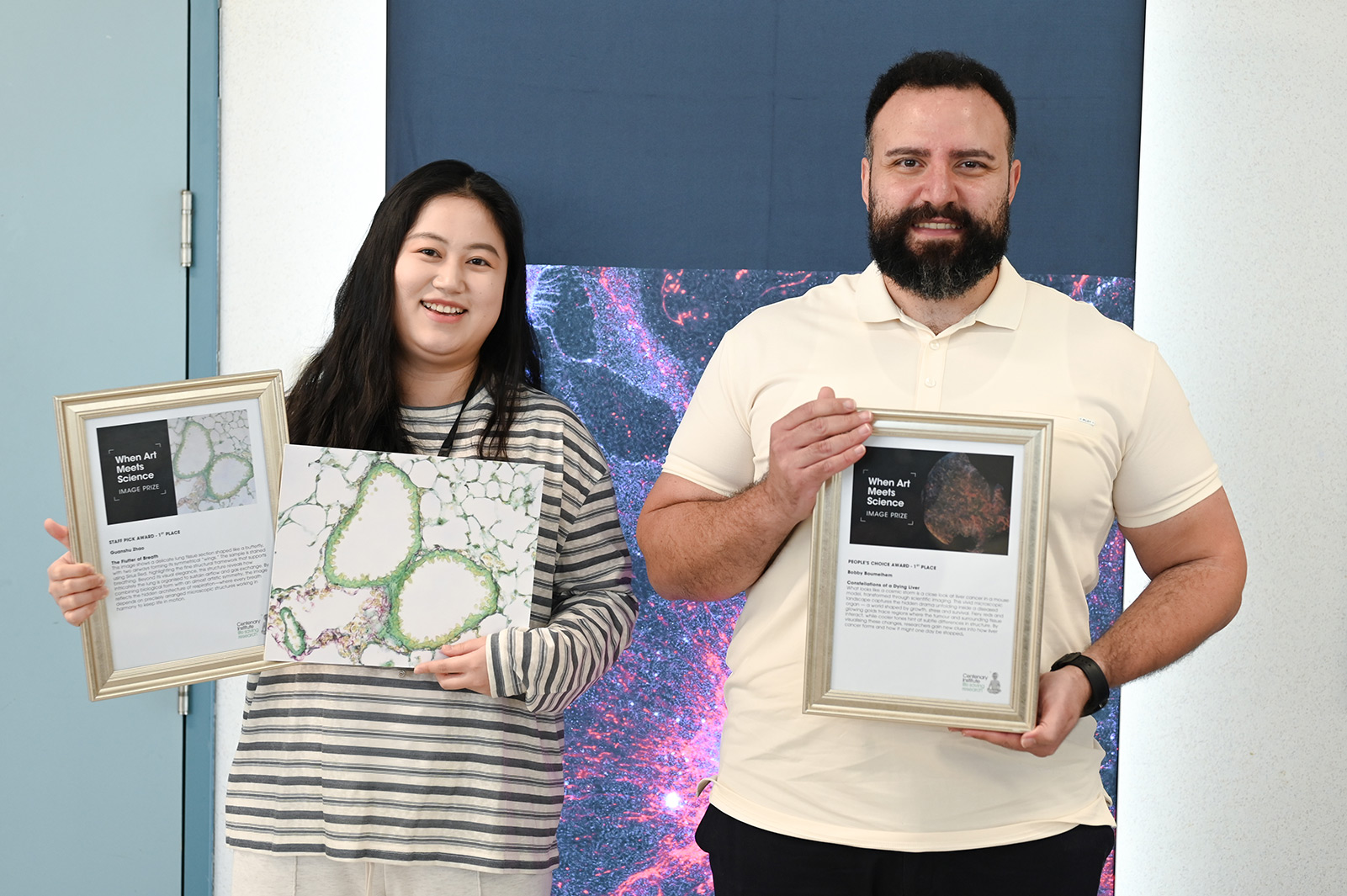
    The intersection of science and art has once again been celebrated at the Centenary Institute, with the winners announced for its annual ‘When Art Meets Science Image Prize’.
    News Type: Media release
    Date 20 Jul 2026
  • Stem cell-coated contact lenses to be readied for clinical trials

    A breakthrough stem cell-coated contact lens designed to restore sight for people with corneal blindness will move closer to clinical use following a new Medical Research Future Fund (MRFF) grant awarded to a national team of researchers.
    News Type: Research News
    Date 15 Jul 2026
  • Centenary marks NAIDOC Week with special guest speaker

    The Centenary Institute marked NAIDOC Week 2026 with a special event celebrating this year's national theme, '50 Years of Deadly', which recognises five decades of honouring Aboriginal and Torres Strait Islander voices, achievements, leadership and culture.
    News Type: Community
    Date 08 Jul 2026
  • Protein form linked to severe COVID-19 and lung disease risk

    An international study involving the Centenary Institute and the University of Sydney has uncovered a previously hidden genetic factor that appears to help explain why some people develop lung fibrosis, a condition in which lung tissue becomes damaged and scarred, or experience severe COVID-19.
    News Type: Research News
    Date 01 Jul 2026

Subscribe to receive news on
research updates and free events

Newsletter

The Centenary Institute is a world-leading independent Medical Research Institute.

We acknowledge the Gadigal of the Eora Nation, the traditional custodians of the Country on which the Centenary Institute stands.

About

  • About us
  • Governance
  • Corporate information

Research

  • Our researchers
  • News

Careers & studies

  • Career opportunities
  • Student opportunities
  • Life at Centenary

Links

  • Contact
  • Privacy statement
  • Staff Intranet

Contact us

Building 93, Royal Prince Alfred Hospital
Missenden Rd
Camperdown NSW 2050 Australia
Telephone +61 2 9565 6100
Fax +61 2 9565 6101

Contact Privacy

Centenary Institute ABN 22 654 201 090 (DGR 1) • Centenary Institute Medical Research Foundation ABN 85 778 244 012 (DGR 2)
© 2017 Centenary Institute of Cancer Medicine and Cell Biology.

  • Linkedin
  • Facebook
  • Twitter
  • Youtube
  • Instagram