Stem cell-coated contact lenses to be readied for clinical trials
 15 July, 2026
Corneal disease is a major cause of vision loss. Globally, an estimated 5.5 million people over the age of 40 live with cornea-related vision impairment, while 6.6 million people experience blindness in one eye due to corneal damage.
The innovative contact lens acts like a temporary ‘delivery vehicle’, carrying healthy stem cells to the surface of the eye so they can settle, grow and repair damaged tissue.
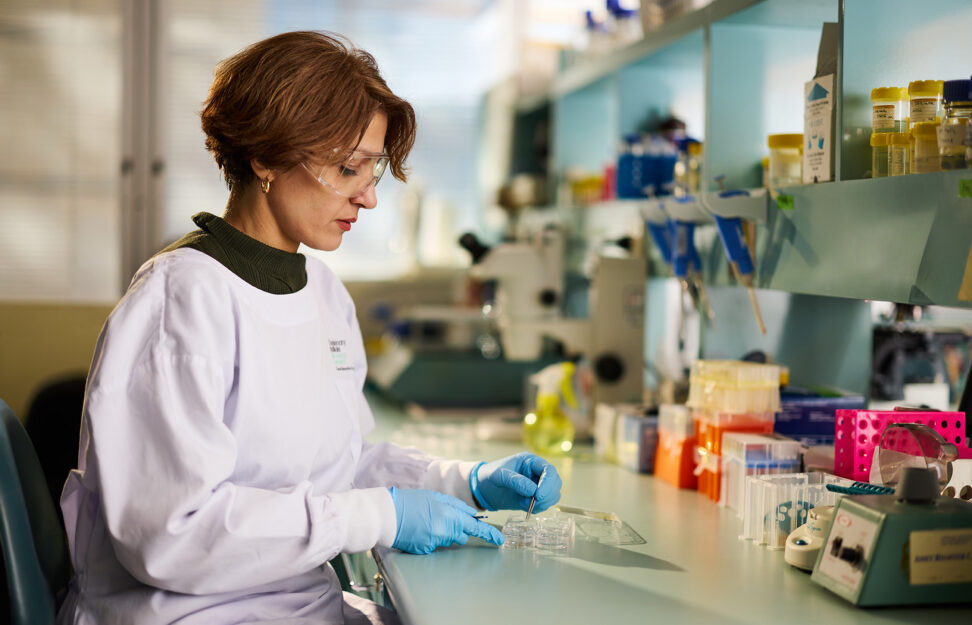
Centenary Institute scientists Professor Guy Lyons and Dr Mojdeh Abbasi will lead the development of the stem cell culture, ensuring it is safe, stable and effective for transplantation ahead of a first‑in‑human trial planned in Sydney.
The project is spearheaded by Professor Stephanie Watson OAM, Australia’s leading corneal clinical scientist from the University of Sydney, and brings together experts from the University of Sydney, Centenary Institute, Save Sight Institute, UNSW and CSIRO under the MRFF Stem Cell Therapies Grant.
Corneal blindness is irreversible and remains one of the most challenging causes of vision loss worldwide. While major advances have been made in treating cataracts and macular degeneration, corneal disease still lacks accessible, effective therapies—leaving patients with limited options and significant impacts on quality of life.
Professor Lyons said the team is energised by the potential of this regenerative medicine approach.
“We’ve been working with Professor Watson and Professor Nick Di Girolamo (UNSW) to develop this technology for several years, and it’s incredibly exciting to see it moving towards clinical translation,” Professor Lyons said. “If successful, this could offer people with corneal blindness a simple, non‑invasive treatment that restores sight and dramatically improves quality of life.”
Professor Watson said the project will also focus on ensuring equitable access and understanding patients needs.
“We’re committed to understanding how this therapy can be delivered fairly across Australia, including for Aboriginal and Torres Strait Islander communities and people living in rural and remote regions,” she said.
The team will work closely with patients, clinicians and community partners to ensure the therapy meets real‑world needs and is supported by best‑practice education and clinical guidelines to enable a national rollout.