Skip to content
Home page - Centenary Institute Centenary Institute

Primary menu

  • Research
        • Research

          The latest medical research into our most complex health challenges across biomedical AI, cancer, cardiovascular diseases, immunity, age-related, rare and infectious diseases.

          Learn more

        • Biomedical AI
        • Cancer Innovations
        • Cardiovascular Research
        • Infection & Immunity
        • Rare Diseases & Gene Therapy
        • Laboratories
        • Impact
        • Technologies
        • Commercialisation
  • Support us
        • Support us

          By supporting the Centenary Institute you can help improve human health through excellence in medical research.

          Learn more

        • Workplace giving
        • Host or join a fundraiser
        • Gift in your will
        • Donate in memory
        • Advise on our research
  • Careers & students
        • Careers & Students

          Postdoctoral and postgraduate students can work alongside world-leading medical researchers within state-of-the-art research facilities.

        • Careers
        • Study opportunities
  • News & events
        • News & Events

          Explore the latest research breakthroughs and ways you can take part in our series of digital and in-person events.

        • News
        • Statements
        • Events
        • Real stories
  • About us
        • About us

          We are world-leading independent medical research institute that drives collaboration to accelerate and translate solutions to our most complex health challenges.

          Learn more

        • Governance
        • Corporate information
        • Annual reports
        • Animals in research
        • Contact
  • Donate
    Centenary Institute > News > Improving care for liver cancer patients

Improving care for liver cancer patients

Date time 4 July, 2021
News Type News type Institute
Researchers from the Centenary Institute and the Royal Prince Alfred Hospital (RPAH) are co-investigators on three separate liver cancer focused projects that have recently received funding from the Australian Government’s Medical Research Future Fund (MRFF) and the Cancer Institute NSW.

Researchers from the Centenary Institute and the Royal Prince Alfred Hospital (RPAH) are co-investigators on three separate liver cancer focused projects that have recently received funding from the Australian Government’s Medical Research Future Fund (MRFF) and the Cancer Institute NSW.

All projects aim to improve outcomes for patients with liver cancer, the fastest growing cancer in Australia and the world.

The two MRFF funded projects are:

Microbial based biomarkers powered by artificial intelligence for early detection of liver cancer in Australia. The Australian Liver Cancer Microbiome Consortium, $4 million. Lead institution,  University of New South Wales. Chief Investigator: Associate Professor Amany Zekry.

The IC3 Trial: Identifying Cirrhosis and Liver Cancer in Primary Care, $3.2 million. Lead institution, University of Western Australia. Chief Investigator: Professor Leon Adams.

The Cancer Institute NSW funded project is:

The APRICA program: Accelerated translational research in PRImary Liver Cancer, $4 million. Lead institution, University of Sydney. Chief Investigator: Professor Jacob George.

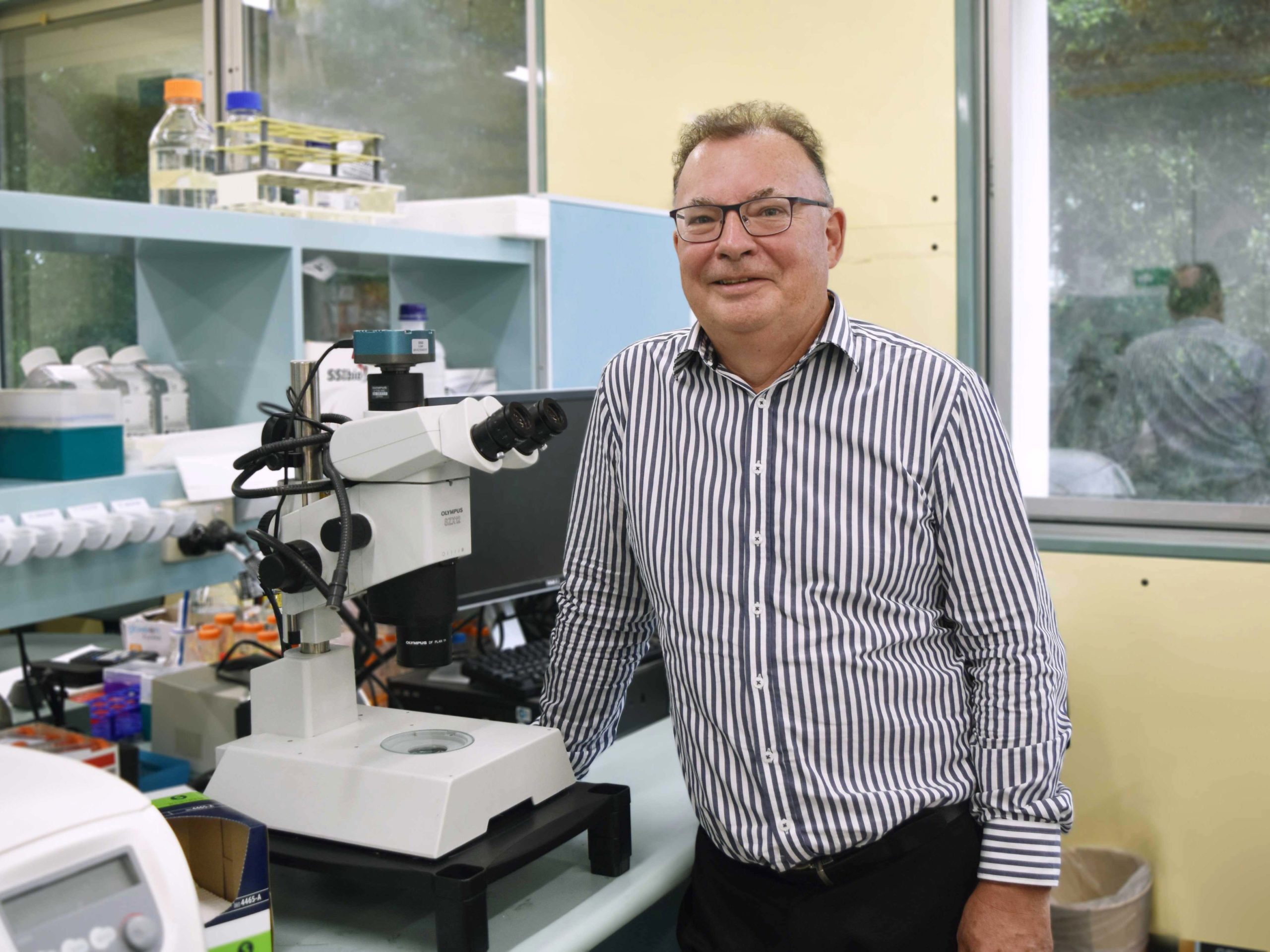
Professor Geoff McCaughan (pictured), Head of the Liver injury and Cancer Program at the Centenary Institute and Director of the AW Morrow Gastroenterology and Liver Centre at RPAH, is affiliated with all three projects. He was pleased to see the National and NSW Governments supporting research in such a critical health area.

“Close to 3,000 people in Australia will be diagnosed with liver cancer this year with the long-term prospects for many of these patients being quite poor. The unfortunate reality is that the five year survival rate for liver cancer is less than 20%. It’s very encouraging that both Governments have responded so positively to addressing research in liver disease, an area which has been in need of increased funding for many years.”

Professor McCaughan said the two MRFF projects, although distinct, were complementary in purpose and outlook. Both would explore new methods to detect potential liver cancer in patients at risk for hepatocellular carcinoma (HCC) at an earlier stage – and ahead of existing screening processes. 

“Early detection of cirrhosis, often a prelude to liver cancer, as well as the early detection of liver cancer itself, allows for earlier curative treatments which results in improved outcomes for patients,” said Professor McCaughan.

Professor McCaughan also noted the benefits that the APRICA program of research would deliver.

“This grant will enable best clinical care across NSW including regional communities for patients with HCC. This includes maximising prevention through to new therapies and palliative care, as well as preliminary research on the liver immune response, the microbiome and disease.”

Announcements relating to these projects can be found on the Australian Government’s Department of Health website and the website of the Cancer Institute NSW.

[ENDS]
Themes

  • Cancer Innovations

    Cancer Innovations

Media enquires

For all media and interview enquiries, please contact Tony Crawshaw

Phone number Phone Number +61 402 770 403

Email Email t.crawshaw@centenary.org.au

Recent Stories

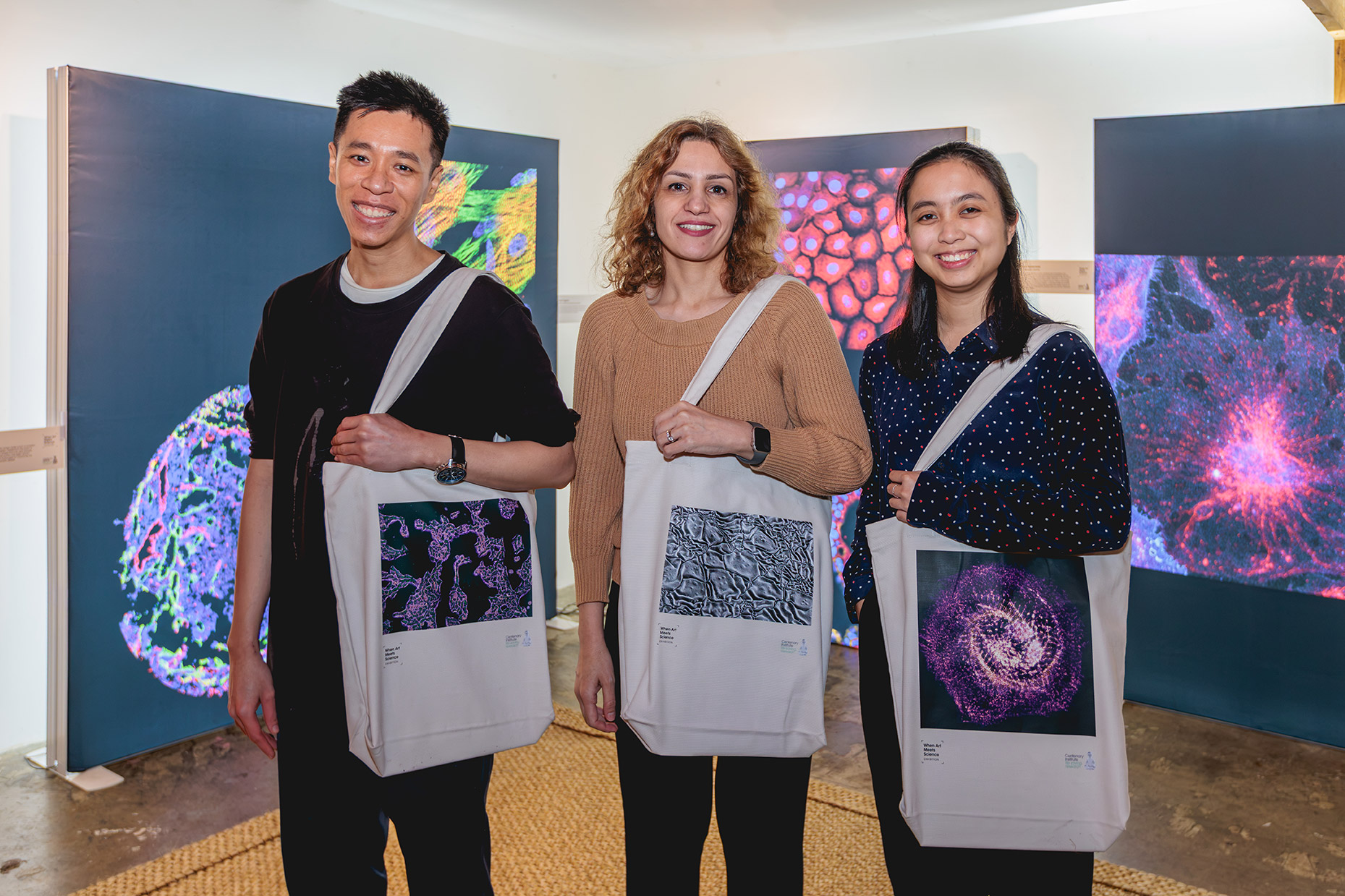
  • Medical research captured as art in annual image prize

    The intersection of science and art has once again been celebrated at the Centenary Institute, with the winners announced for its annual ‘When Art Meets Science Image Prize’.
    News Type: Media release
    Date 20 Jul 2026
  • Stem cell-coated contact lenses to be readied for clinical trials

    A breakthrough stem cell-coated contact lens designed to restore sight for people with corneal blindness will move closer to clinical use following a new Medical Research Future Fund (MRFF) grant awarded to a national team of researchers.
    News Type: Research News
    Date 15 Jul 2026
  • Centenary marks NAIDOC Week with special guest speaker

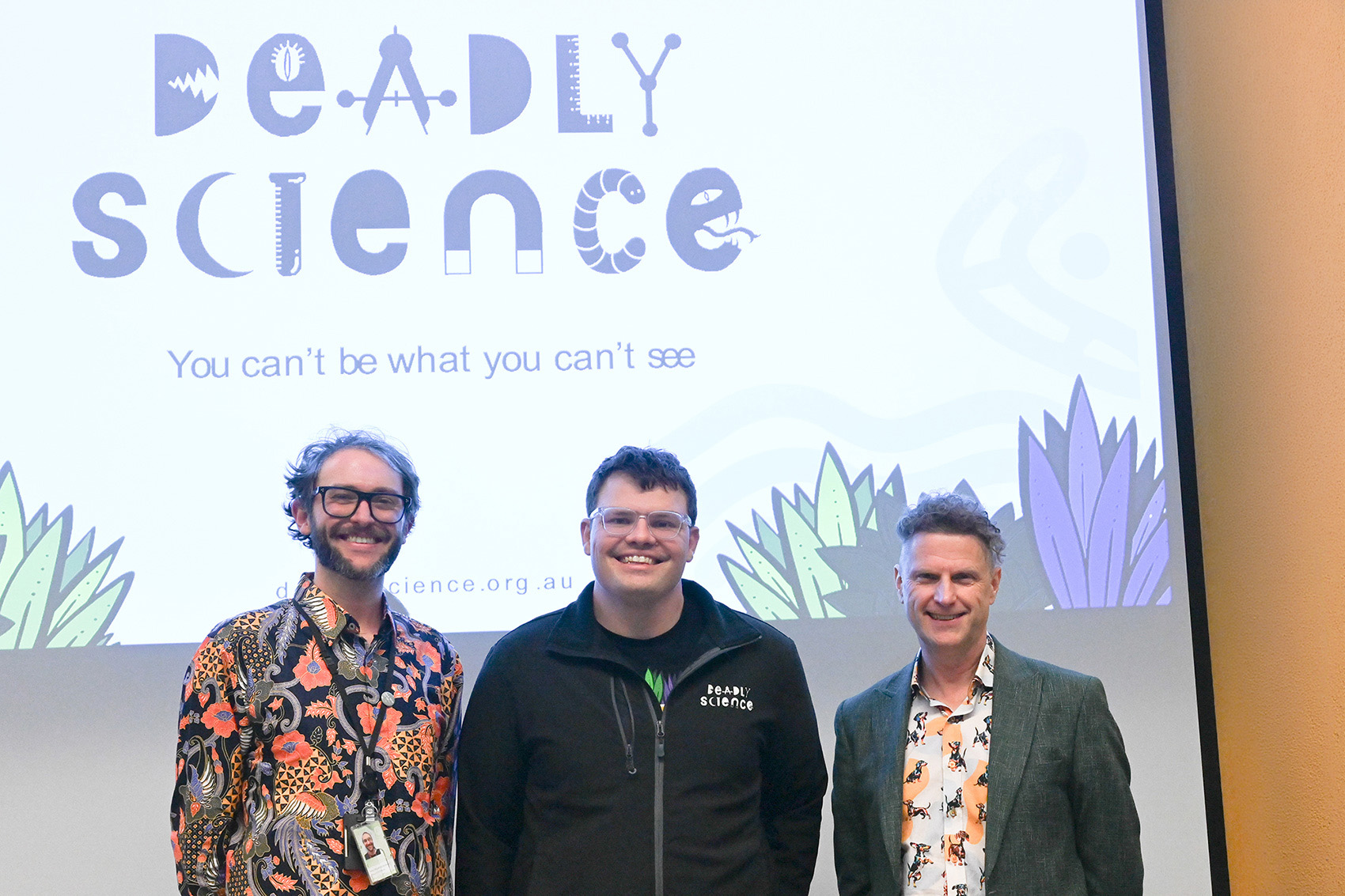
    The Centenary Institute marked NAIDOC Week 2026 with a special event celebrating this year's national theme, '50 Years of Deadly', which recognises five decades of honouring Aboriginal and Torres Strait Islander voices, achievements, leadership and culture.
    News Type: Community
    Date 08 Jul 2026
  • Protein form linked to severe COVID-19 and lung disease risk

    An international study involving the Centenary Institute and the University of Sydney has uncovered a previously hidden genetic factor that appears to help explain why some people develop lung fibrosis, a condition in which lung tissue becomes damaged and scarred, or experience severe COVID-19.
    News Type: Research News
    Date 01 Jul 2026

Subscribe to receive news on
research updates and free events

Newsletter

The Centenary Institute is a world-leading independent Medical Research Institute.

We acknowledge the Gadigal of the Eora Nation, the traditional custodians of the Country on which the Centenary Institute stands.

About

  • About us
  • Governance
  • Corporate information

Research

  • Our researchers
  • News

Careers & studies

  • Career opportunities
  • Student opportunities
  • Life at Centenary

Links

  • Contact
  • Privacy statement
  • Staff Intranet

Contact us

Building 93, Royal Prince Alfred Hospital
Missenden Rd
Camperdown NSW 2050 Australia
Telephone +61 2 9565 6100
Fax +61 2 9565 6101

Contact Privacy

Centenary Institute ABN 22 654 201 090 (DGR 1) • Centenary Institute Medical Research Foundation ABN 85 778 244 012 (DGR 2)
© 2017 Centenary Institute of Cancer Medicine and Cell Biology.

  • Linkedin
  • Facebook
  • Twitter
  • Youtube
  • Instagram