Scholarships awarded to support rare disease and cancer research
 24 September, 2026
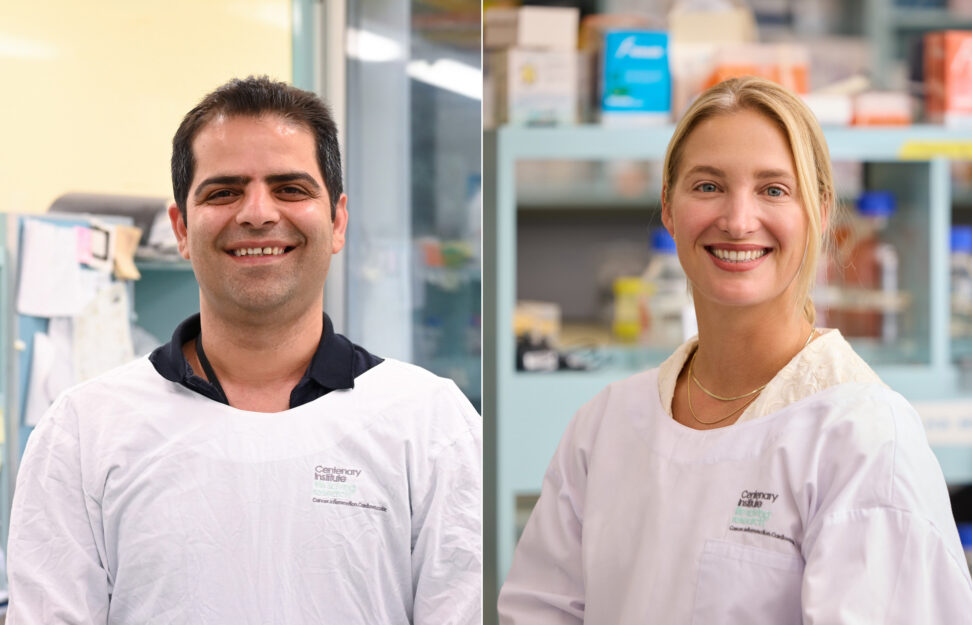
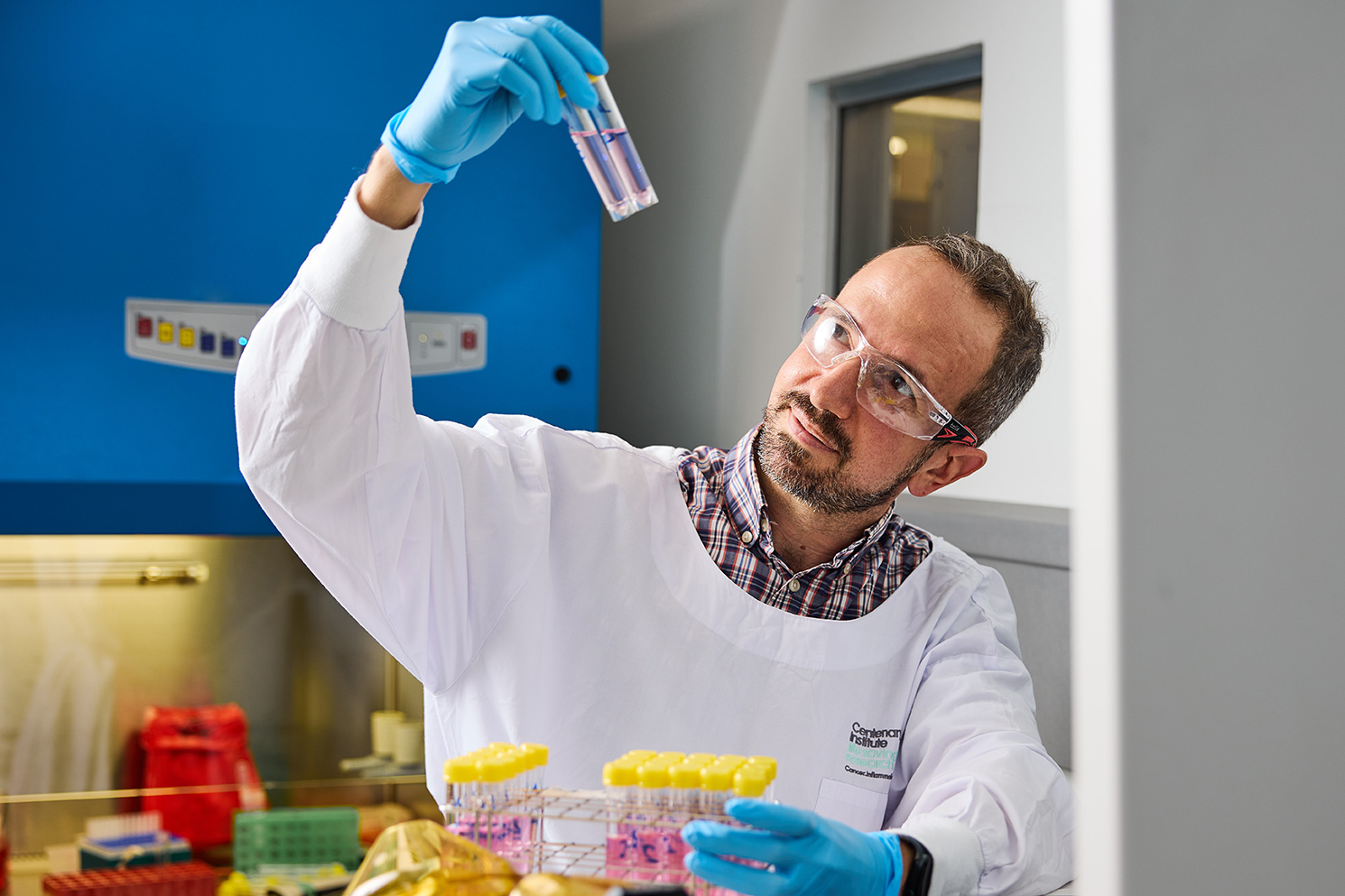
Dr Mehdi Sharifi Tabar, from the Centre for Rare Diseases & Gene Therapy, has been awarded the Nicholas Shehadie Fellowship, providing $35,000 for research into potential new treatments for rare diseases caused by an overactive immune response. He is investigating a specific kinase, a type of enzyme, that appears to play a previously unknown role in controlling inflammation.
His research has found that blocking this kinase can reduce the activity of a protein that helps control genes and the body’s pro-inflammatory response. This suggests the kinase could be a potential target for developing treatments for diseases where the immune system remains switched on for too long, such as systemic lupus erythematosus and Aicardi-Goutières syndrome.
The Nicholas Shehadie Fellowship will support Dr Sharifi Tabar to develop a laboratory test that can be used to identify drugs that more effectively block the kinase of interest.
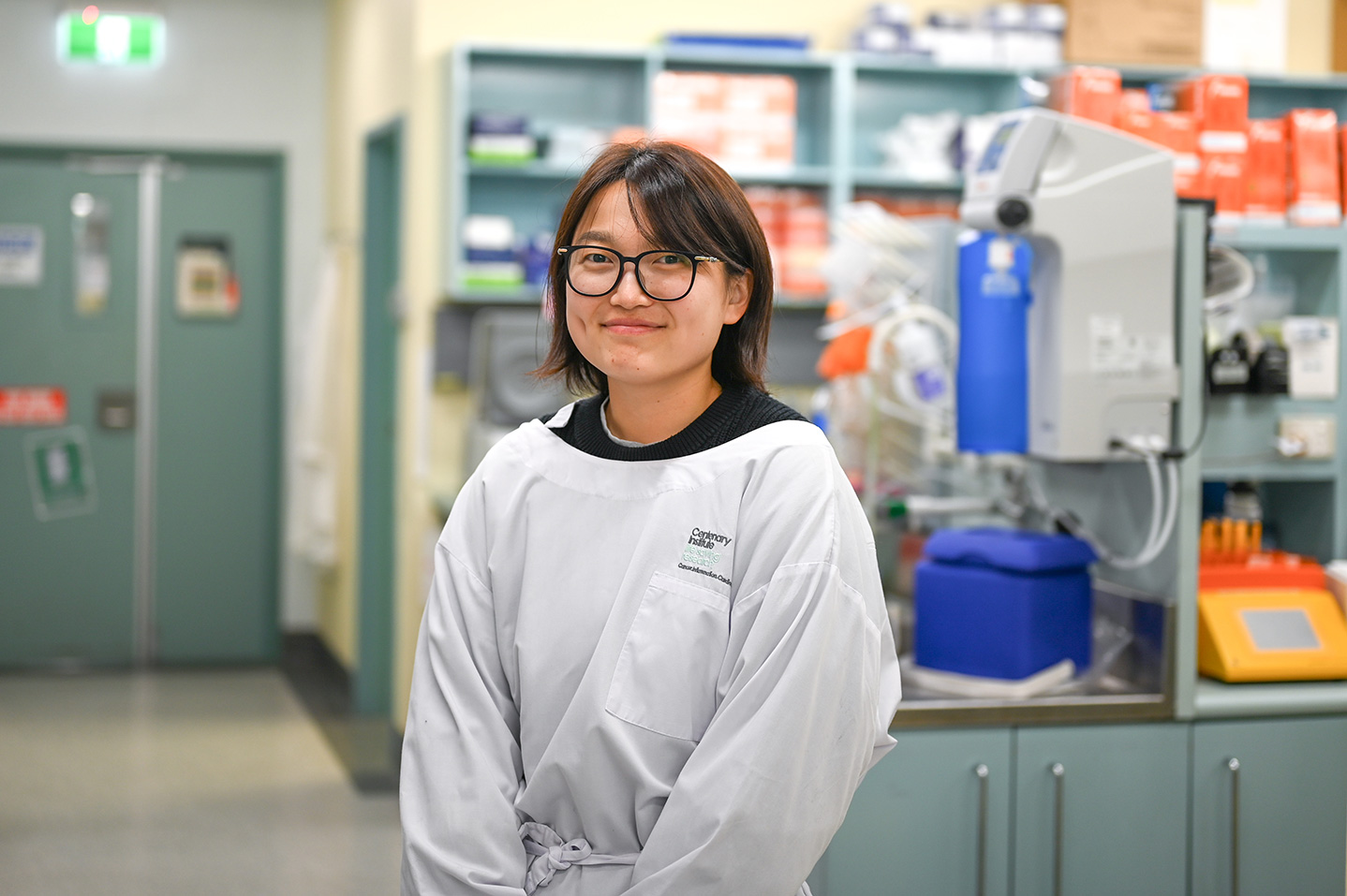
Dr Aster Pijning, from the Centre for Cancer Innovations, has received the Kenyon Foundation Inflammation Award, worth $20,000, to investigate a potential mechanism that may influence how killer T cells respond to cancer cells. Killer T cells are a part of the body’s immune defence system and help destroy cancerous and virus-infected cells.
Her research suggests that a protein called CD8α, found on the surface of killer T cells, may have a previously unrecognised molecular ‘switch’. This switch could help determine how strongly a T cell responds when it encounters a cancer cell.
Dr Pijning will investigate whether different forms of this switch change the way killer T cells respond to cancer-related signals. The findings could provide new knowledge as to how to strengthen anti-tumour immunity without causing harmful immune activation.
“These scholarships give our researchers the opportunity to investigate new ideas and explore fields that could open up new possibilities for treating disease,” said Professor Marc Pellegrini, Executive Director of the Centenary Institute.
“Both projects are exploring important questions about inflammation and the immune system and I look forward to seeing what these researchers discover and where their findings may lead.”