
Skip to content
Home page - Centenary Institute Centenary Institute

Primary menu

  • Research
        • Research

          The latest medical research into our most complex health challenges across biomedical AI, cancer, cardiovascular diseases, immunity, age-related, rare and infectious diseases.

          Learn more

        • Biomedical AI
        • Cancer Innovations
        • Cardiovascular Research
        • Healthy Ageing
        • Infection & Immunity
        • Rare Diseases & Gene Therapy
        • Laboratories
        • Diseases
        • Breakthroughs
        • Technologies
        • Commercialisation
  • Support us
        • Support us

          By supporting the Centenary Institute you can help improve human health through excellence in medical research.

          Learn more

        • Workplace giving
        • Host or join a fundraiser
        • Gift in your will
        • Donate in memory
        • Get Involved
  • Careers & students
        • Careers & Students

          Postdoctoral and postgraduate students can work alongside world-leading medical researchers within state-of-the-art research facilities.

        • Careers
        • Study opportunities
  • Health hub
        • Health hub

          A range of practical information to assist in the possible preventions to disease through evidence-based research on how the body works.

          Learn more

        • Ageing
        • Exercise snack program
  • News & events
        • News & Events

          Explore the latest research breakthroughs and ways you can take part in our series of digital and in-person events.

        • News
        • Statements
        • Events
        • Real stories
  • About us
        • About us

          We are world-leading independent medical research institute that drives collaboration to accelerate and translate solutions to our most complex health challenges.

          Learn more

        • Governance
        • Corporate information
        • Annual reports
        • Our researchers
        • Animals in research
        • Contact
  • Donate
    Centenary Institute > News > Influenza susceptibility linked to variable responses to interferons in the lung

Influenza susceptibility linked to variable responses to interferons in the lung

Date time 10 December, 2019
News Type News type Media release
Researchers at the Centenary Institute and the University of Sydney have discovered a key reason as to why the influenza virus is so effective at establishing infection and causing damage in the lungs.

They found that a group of lung-cells, following influenza infection, responded only poorly to interferons (the signalling proteins that help defend the body against viral attack). The research could pave the way for the development of new and improved anti-influenza drugs and vaccines, to both improve health and to save lives.

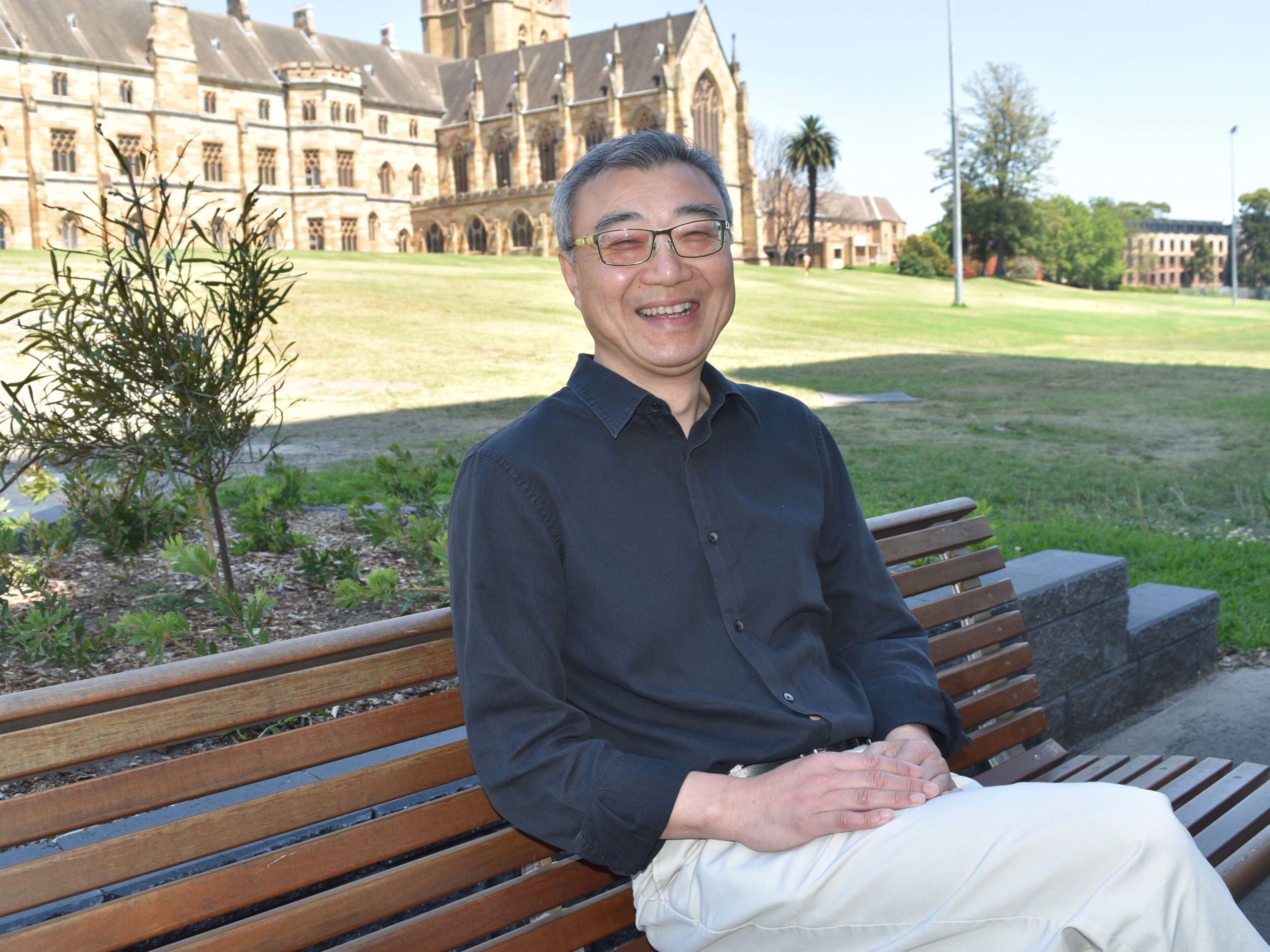
“Interferons are critically essential to our defence against pathogens including the influenza virus,” said Associate Professor Carl Feng (pictured), senior study author from the Centenary Institute and the University of Sydney. “The proteins are so named because they ‘interfere’ with the ability of viruses to multiply in the body.”

“It’s been known for a long time that during influenza, lung cells and immune cells in the lungs secrete interferons causing virus-infected cells to initiate anti-viral defences,” said Associate Professor Feng.

“However, how interferons actually undertake this protective activity is still not understood because the signalling proteins can act on hundreds of different types of cells in our body,” he said.

In their study, Associate Professor Feng and colleagues have generated a new tool to identify which cells respond to interferons in influenza infected mice. The goal was to work out whether the outcome of infection and interferon signalling differed between different cell types. What the researchers have demonstrated in the study is that not every cell type reacts equally to the interferons, even when they are in close proximity to each other.

“We were able to show that cells in influenza-infected mice reacted to interferons in dissimilar ways. Most notably, we found that one type of lung cell, the major target of the influenza virus, responded extremely poorly to interferons and were highly vulnerable to viral infection. This was particularly noticeable at the early-stage of the influenza infection cycle,” said Associate Professor Feng.

The research has the potential to lead to the development of new vaccination strategies and therapeutics that are more effective than the currently available anti-influenza drugs.

“Influenza remains among the most significant global infectious diseases owing to its high infectivity, the variable usefulness of current vaccines and the limitations of anti-viral therapy. It’s also a major health burden in Australia and globally,” said the Centenary Institute and University of Sydney’s Professor Warwick Britton, also an author of the study.

“A better understanding of how this virus infection is controlled by lung cells can help us to find medical solutions against influenza which results in millions of cases of severe illness and which is responsible for killing up to half a million people each and every year,” he says.

The investigators plan to study human lung-cells and their response to interferons and the influenza virus as a next-step of the research program.

Read the full media release here.

Read the publication in Cell Reports here.

Media enquires

For all media and interview enquiries, please contact Tony Crawshaw

Phone number Phone Number +61 402 770 403

Email Email t.crawshaw@centenary.org.au

Media Release

Download

Recent Stories

  • A new era in therapeutic protein design

    A major new research project funded by the Australian Research Council (ARC) Discovery Projects scheme is commencing, with the Centenary Institute playing a central role. The project will establish an advanced platform to improve therapeutic protein design, supporting future developments in drugs, diagnostics and biotechnology.
    News Type: Research News
    Date 08 Dec 2025
  • Centenary researchers share insights at ageing conference

    Centenary Institute researchers played a prominent role at the Australian Biology of Ageing Conference 2025 this week, contributing new scientific insights on how Australians can live healthier lives as they age.
    News Type: Research News
    Date 20 Nov 2025
  • New gene discoveries improve diagnosis of inherited heart disease

    Centenary Institute researchers have uncovered new genetic causes of inherited heart conditions, providing families with vital answers to guide treatment and prevention.
    News Type: Media release
    Date 13 Nov 2025
  • Centenary exhibits at Government House

    The Centenary Institute has shared the beauty of science with the wider community through its When Art Meets Science exhibition, featured at Government House Sydney as a part of Sydney Open Day.
    News Type: Community
    Date 04 Nov 2025

Subscribe to receive news on
research updates and free events

Newsletter

The Centenary Institute is a world-leading independent Medical Research Institute.

We acknowledge the Gadigal of the Eora Nation, the traditional custodians of the Country on which the Centenary Institute stands.

About

  • About us
  • Governance
  • Corporate information

Research

  • Our researchers
  • News

Careers & studies

  • Career opportunities
  • Student opportunities
  • Life at Centenary

Links

  • Contact
  • Privacy statement
  • Staff Intranet

Contact us

Building 93, Royal Prince Alfred Hospital
Missenden Rd
Camperdown NSW 2050 Australia
Telephone +61 2 9565 6100
Fax +61 2 9565 6101

Contact Privacy

Centenary Institute ABN 22 654 201 090 (DGR 1) • Centenary Institute Medical Research Foundation ABN 85 778 244 012 (DGR 2)
© 2017 Centenary Institute of Cancer Medicine and Cell Biology.

  • Linkedin
  • Facebook
  • Twitter
  • Youtube
  • Instagram