

A new era in therapeutic protein design
 8 December, 2025
Proteins perform essential cellular tasks, from transmitting signals to repairing damage. Because of this, engineered proteins have become vital in modern medicine, underpinning treatments such as insulin for diabetes, monoclonal antibodies for cancer and autoimmune diseases, and other targeted therapies.
However, designing proteins that work reliably in the human body remains a major challenge. Many current laboratory methods rely on bacteria or other simple systems that cannot replicate the complexity of human cells. As a result, proteins that appear promising in early testing may fail when evaluated in more realistic, human-like conditions.
This ARC-funded project aims to overcome this by creating a new protein design platform that combines several complementary techniques. The first is directed evolution which mimics natural evolution. This is where millions of protein variants are generated and tested, allowing the best performers to emerge over successive cycles. Machine learning then analyses the resulting data to predict which variants are most likely to succeed.
By bringing these techniques together, the team plans to build a platform capable of evolving and evaluating proteins directly inside mammalian cells, improving accuracy and relevance for medical research.
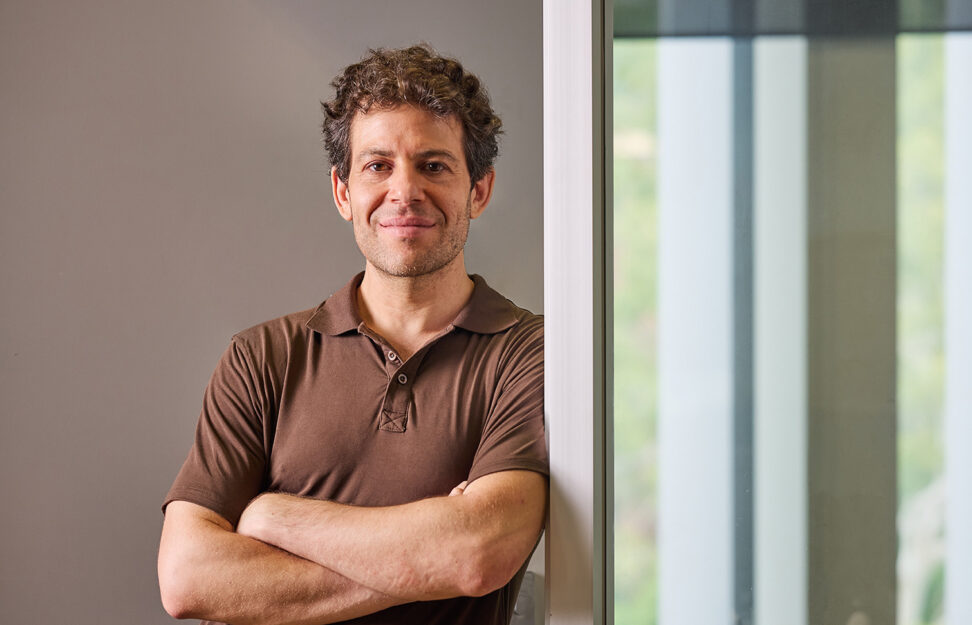
Associate Professor Daniel Hesselson, Head of the Centenary Institute’s Centre for Biomedical AI and a Partner Investigator on the project, says this integrated platform approach opens up exciting new possibilities.
“Running evolution inside mammalian cells and combining it with machine learning helps identify protein variants that will function effectively in human-like conditions. This offers a clearer path toward developing proteins for new treatments,” he said.
The project is led by Professor Colin Jackson at the Australian National University, with Associate Professor Hesselson contributing his expertise in regenerative medicine and cell-based protein evolution.


