
Skip to content
Home page - Centenary Institute Centenary Institute

Primary menu

  • Research
        • Research

          The latest medical research into our most complex health challenges across biomedical AI, cancer, cardiovascular diseases, immunity, age-related, rare and infectious diseases.

          Learn more

        • Biomedical AI
        • Cancer Innovations
        • Cardiovascular Research
        • Infection & Immunity
        • Rare Diseases & Gene Therapy
        • Laboratories
        • Impact
        • Technologies
        • Commercialisation
  • Support us
        • Support us

          By supporting the Centenary Institute you can help improve human health through excellence in medical research.

          Learn more

        • Workplace giving
        • Host or join a fundraiser
        • Gift in your will
        • Donate in memory
        • Advise on our research
  • Careers & students
        • Careers & Students

          Postdoctoral and postgraduate students can work alongside world-leading medical researchers within state-of-the-art research facilities.

        • Careers
        • Study opportunities
  • News & events
        • News & Events

          Explore the latest research breakthroughs and ways you can take part in our series of digital and in-person events.

        • News
        • Statements
        • Events
        • Real stories
  • About us
        • About us

          We are world-leading independent medical research institute that drives collaboration to accelerate and translate solutions to our most complex health challenges.

          Learn more

        • Governance
        • Corporate information
        • Annual reports
        • Animals in research
        • Contact
  • Donate
    Centenary Institute > News > A new way to target high rates of obesity

A new way to target high rates of obesity

Date time 21 August, 2018
News Type News type Media release

LISTEN: Associate Professor Anthony Don speaks to ABC RN Breakfast host Fran Kelly.

A novel drug is being touted as a major step forward in the battle against Australia’s escalating rates of obesity and associated metabolic diseases. As it stands, 2 in 3 adults in Australia are classified as being overweight or obese. A long-term study between researchers at the Centenary Institute and UNSW Sydney has led to the creation of a drug which targets an enzyme linked to insulin resistance – a key contributor of metabolic diseases, such as Type II diabetes.

The study has been published in the highly-regarded scientific journal Nature Communications. Surprisingly, although the drug was very effective at reducing the lipids of interest in skeletal muscle, it did not prevent mice (which had been fed a high-fat diet to induce metabolic disease) from developing insulin resistance. Instead, it prevented the mice from depositing and storing fat by increasing their ability to burn fat in skeletal muscle.

“From here, I would like to develop drugs which target both the Ceramide Synthase 1 and 6 enzymes together, and see whether it produces a much stronger anti-obesity and insulin sensitising response. Although these drugs need more work before they are suitable for use in the clinic, our work so far has been a very important step in that direction,” says Centenary Institute’s Associate Professor Anthony Don.

Centenary PhD student Ameline Lim must also be recognised for her role in conducting a significant amount of the laboratory work and data analysis throughout the project, which formed the basis for her PhD thesis.

Read the full media release.

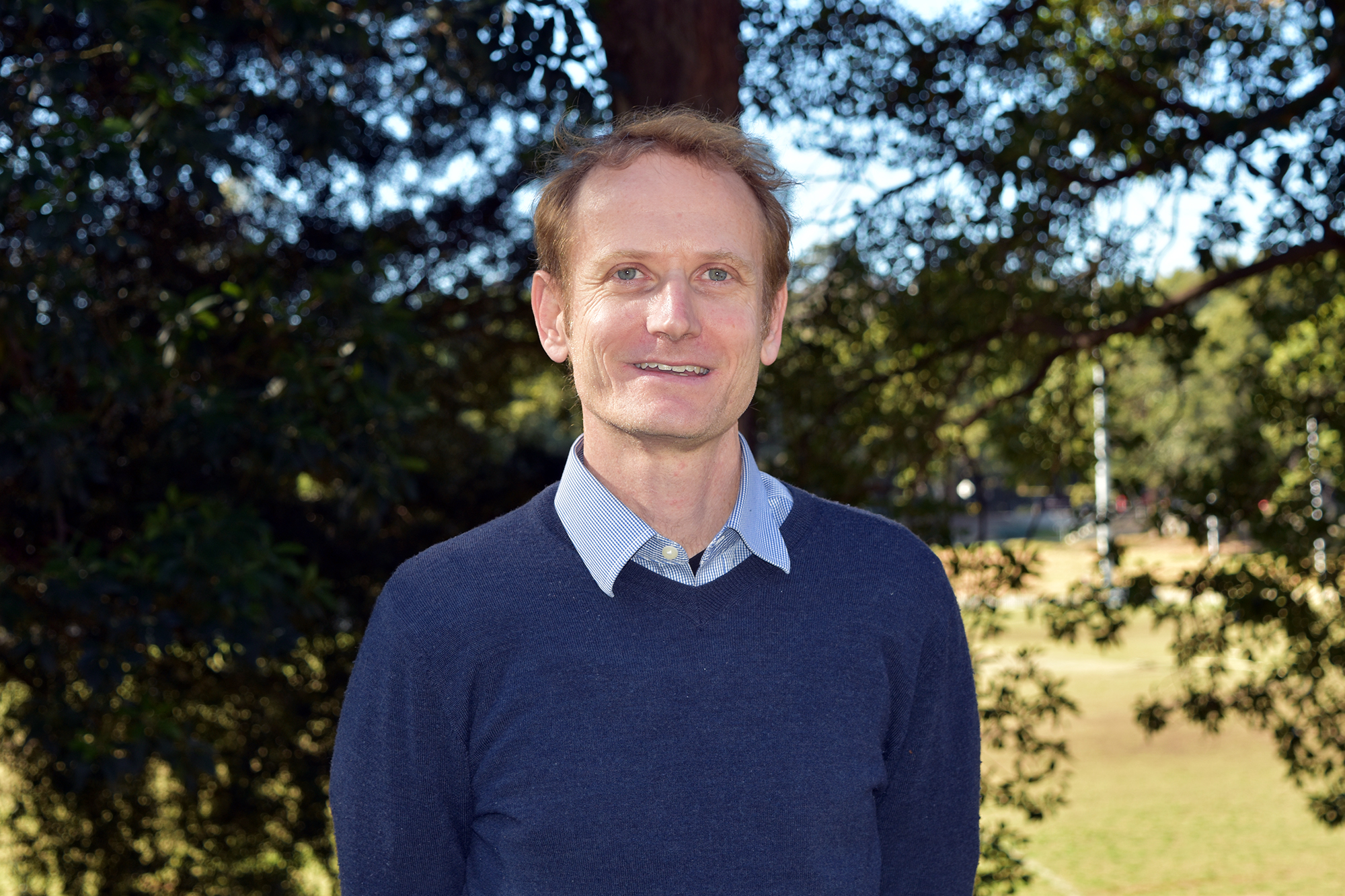
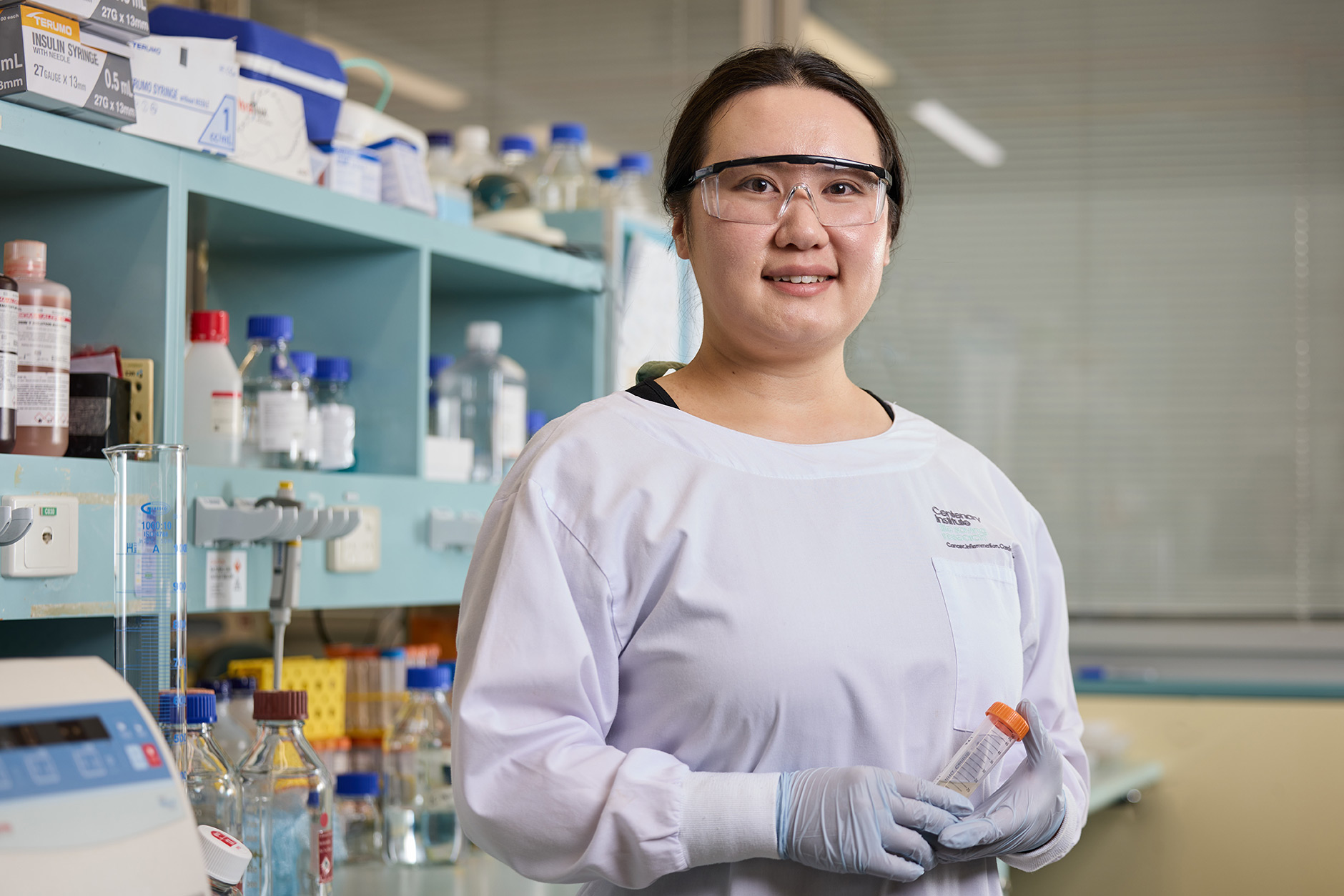
(Pictured: Centenary’s Associate Professor Anthony Don)
Media enquires

For all media and interview enquiries, please contact Tony Crawshaw

Phone number Phone Number +61 402 770 403

Email Email t.crawshaw@centenary.org.au

Media Release

Download

Recent Stories

  • Researcher spotlight: Dr Tracy Liu

    For Dr Xin (Tracy) Liu, fatty liver disease isn’t just a scientific challenge, it’s personal. Inspired by family members affected by metabolic conditions, she’s now a key member of Australia’s seven‑year Snow Program for Liver Health.
    News Type: Profiles
    Date 24 Apr 2026
  • New genetic discovery on sudden cardiac death in the young

    Researchers at the Centenary Institute have helped uncover a previously unrecognised genetic cause of sudden cardiac death in young people.
    News Type: Research News
    Date 16 Apr 2026
  • New grant targets longer-lasting islet cell treatments for type 1 diabetes

    Dr Lise Hunault, a researcher in the Centenary Institute’s Centre for Biomedical AI, has been awarded a major research grant from Breakthrough T1D, the leading global type 1 diabetes research and advocacy organisation, to advance islet-cell replacement therapies for type 1 diabetes.
    News Type: Research News
    Date 16 Mar 2026
  • Centenary marks International Women’s Day with inspiring speakers

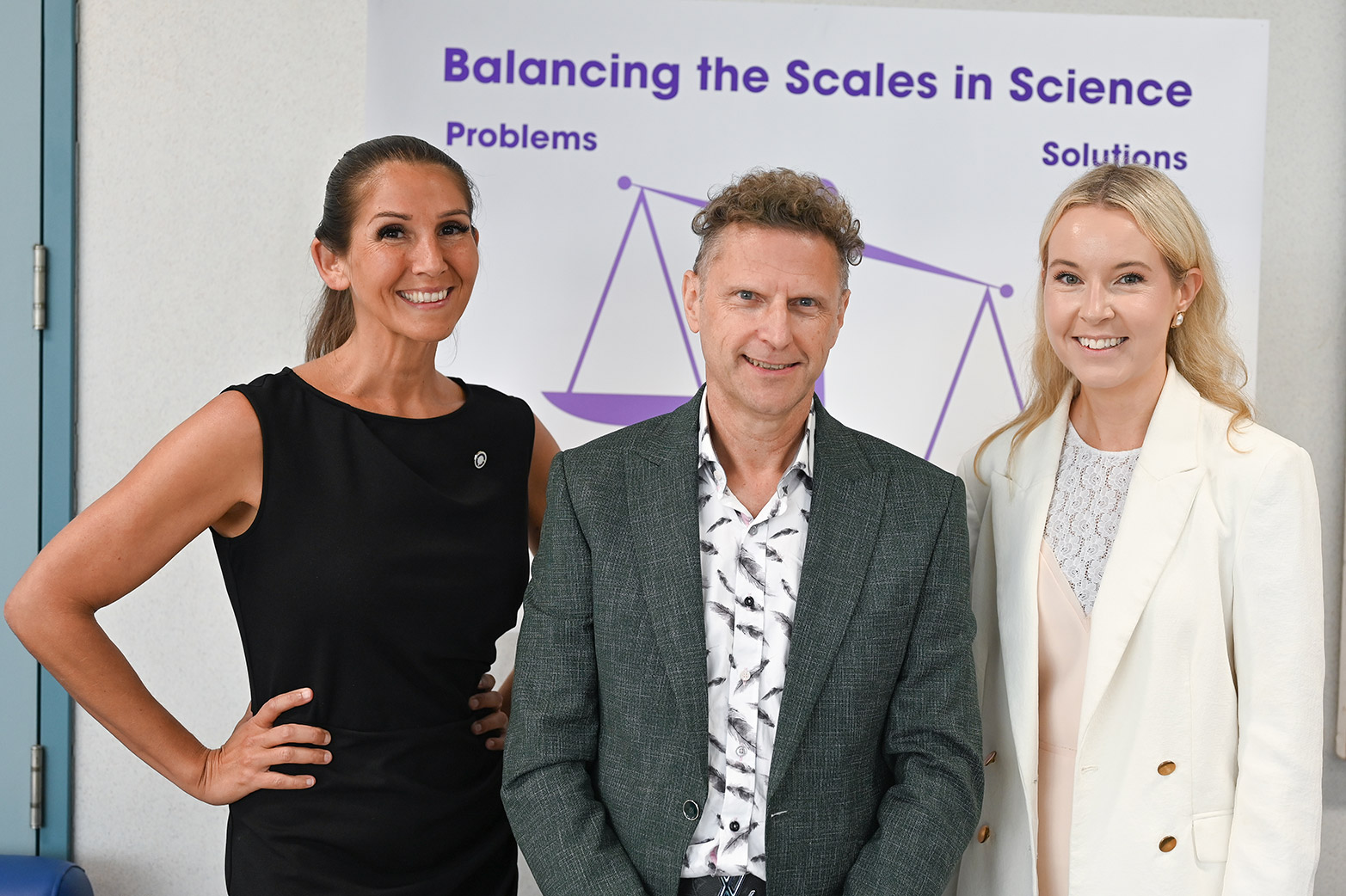
    The Centenary Institute community came together to celebrate International Women’s Day 2026, with a special event highlighting this year’s Australian theme, ‘Balancing the Scales.’
    News Type: Community
    Date 11 Mar 2026

Subscribe to receive news on
research updates and free events

Newsletter

The Centenary Institute is a world-leading independent Medical Research Institute.

We acknowledge the Gadigal of the Eora Nation, the traditional custodians of the Country on which the Centenary Institute stands.

About

  • About us
  • Governance
  • Corporate information

Research

  • Our researchers
  • News

Careers & studies

  • Career opportunities
  • Student opportunities
  • Life at Centenary

Links

  • Contact
  • Privacy statement
  • Staff Intranet

Contact us

Building 93, Royal Prince Alfred Hospital
Missenden Rd
Camperdown NSW 2050 Australia
Telephone +61 2 9565 6100
Fax +61 2 9565 6101

Contact Privacy

Centenary Institute ABN 22 654 201 090 (DGR 1) • Centenary Institute Medical Research Foundation ABN 85 778 244 012 (DGR 2)
© 2017 Centenary Institute of Cancer Medicine and Cell Biology.

  • Linkedin
  • Facebook
  • Twitter
  • Youtube
  • Instagram