Skip to content
Home page - Centenary Institute Centenary Institute

Primary menu

  • Research
        • Research

          The latest medical research into our most complex health challenges across biomedical AI, cancer, cardiovascular diseases, immunity, age-related, rare and infectious diseases.

          Learn more

        • Biomedical AI
        • Cancer Innovations
        • Cardiovascular Research
        • Infection & Immunity
        • Rare Diseases & Gene Therapy
        • Laboratories
        • Impact
        • Technologies
        • Commercialisation
  • Support us
        • Support us

          By supporting the Centenary Institute you can help improve human health through excellence in medical research.

          Learn more

        • Workplace giving
        • Host or join a fundraiser
        • Gift in your will
        • Donate in memory
        • Advise on our research
  • Careers & students
        • Careers & Students

          Postdoctoral and postgraduate students can work alongside world-leading medical researchers within state-of-the-art research facilities.

        • Careers
        • Study opportunities
  • News & events
        • News & Events

          Explore the latest research breakthroughs and ways you can take part in our series of digital and in-person events.

        • News
        • Statements
        • Events
        • Real stories
  • About us
        • About us

          We are world-leading independent medical research institute that drives collaboration to accelerate and translate solutions to our most complex health challenges.

          Learn more

        • Governance
        • Corporate information
        • Annual reports
        • Animals in research
        • Contact
  • Donate
    Centenary Institute > News > Blood test discovery could help identify head and neck cancer patients at higher risk of relapse

Blood test discovery could help identify head and neck cancer patients at higher risk of relapse

Date time 25 February, 2026
News Type News type Media release
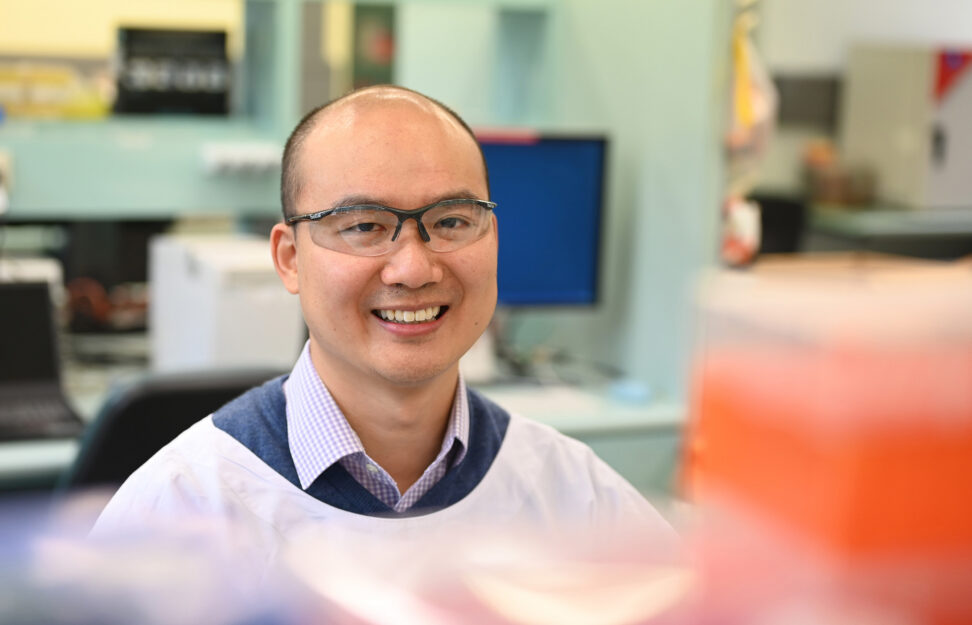
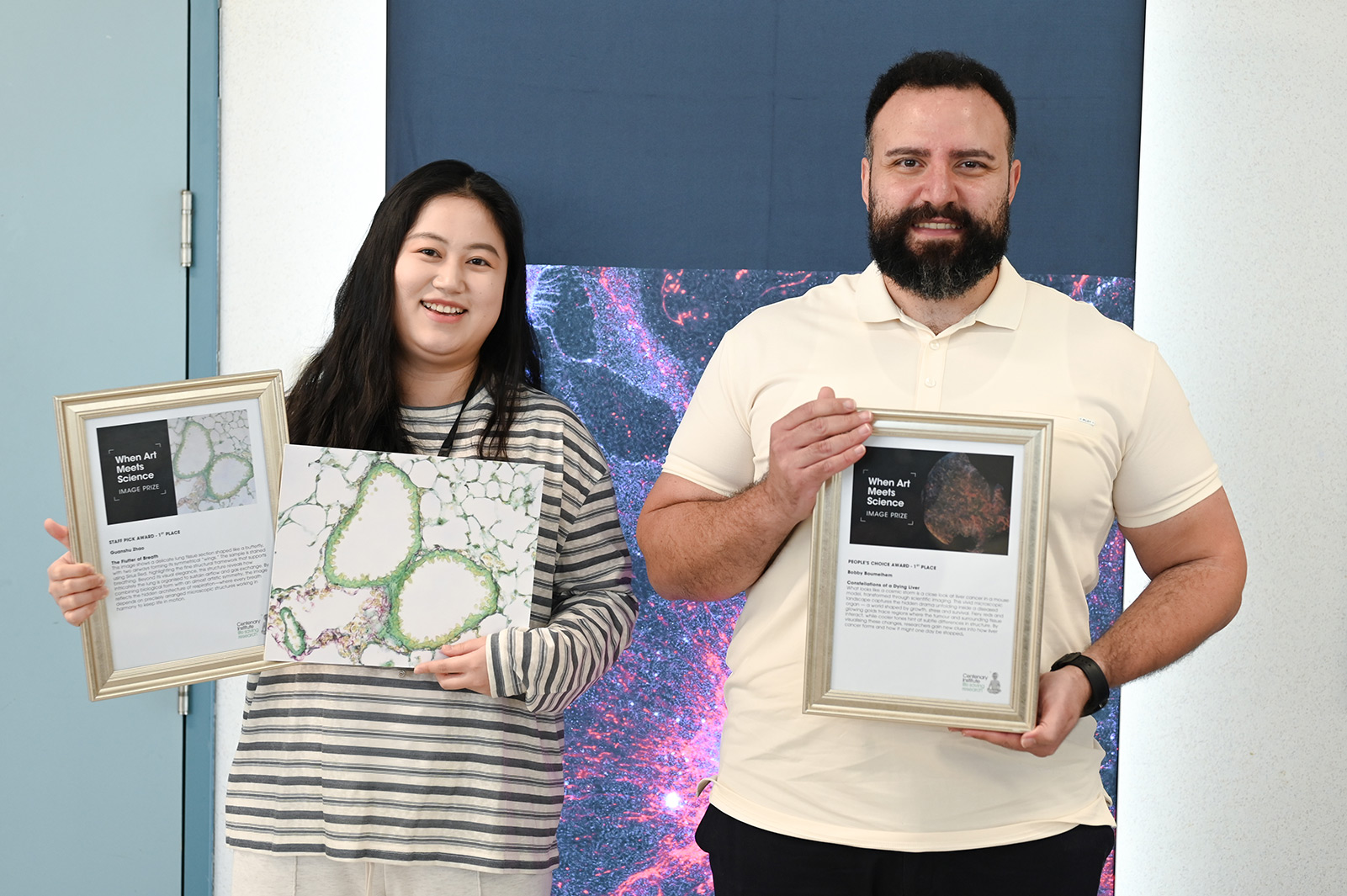
Dr Dannel Yeo
Researchers at the Centenary Institute, Chris O’Brien Lifehouse, NSW Health Pathology and Royal Prince Alfred Hospital have found a potential new way to help doctors identify which head and neck cancer patients may be at higher risk of their cancer returning, using a simple blood test.

Each year, around 5,500 Australians are diagnosed with head and neck cancer, which affects the lining of the mouth, throat and voice box. While many patients respond well to treatment, a significant number experience relapse, often with limited early warning.

In the study, researchers focused on circulating tumour cells (CTCs), which are cancer cells that have broken away from a tumour and entered the bloodstream. By analysing blood samples from patients with head and neck cancer, the team found that the presence of these cells in the blood after surgery was associated with a higher likelihood of cancer recurrence.

“At the moment, follow-up care relies heavily on scans and clinical examinations, which don’t always clearly identify who is most at risk of early relapse,” said Professor Jonathan Clark AM, co-senior author of the study and Director of Head and Neck Cancer Research at Chris O’Brien Lifehouse.

“Our findings suggest that detecting circulating tumour cells could provide additional information to help identify patients who may benefit from closer monitoring after surgery,” added Dr Dannel Yeo, lead author of the study and a Laboratory Head at the Centenary Institute’s Centre for Cancer Innovations.

The researchers say that the blood test is not designed to replace existing diagnostic tests. Instead, it could complement them by adding another layer of information about a patient’s risk profile.

“This research is about supporting more informed clinical decision making,” said Professor Ruta Gupta, co-senior author of the study, Clinical Director of the Department of Tissue Pathology and Diagnostic Oncology at Royal Prince Alfred Hospital, NSW Health Pathology.

“This approach could help tailor follow-up care ensuring patients at higher risk receive closer surveillance.”

The researchers note that further clinical studies are needed before circulating tumour cell testing could be adopted routinely. However, the findings add to growing evidence that blood-based biomarkers could play an important role in more personalised cancer care.

The study has been published in the European Journal of Surgical Oncology.
People

  • Dr Dannel Yeo

    Faculty

Media enquires

For all media and interview enquiries, please contact Tony Crawshaw

Phone number Phone Number +61 402 770 403

Email Email t.crawshaw@centenary.org.au

Media Release

Blood test discovery could help identify head and neck cancer patients at higher risk of relapse

Download

Recent Stories

  • Regenerative focused research grant to repair and restore damaged hearts

    The Centenary Institute’s Associate Professor Dan Hesselson has been awarded $750,000 to accelerate pioneering research into heart regeneration, through a prestigious Senior Researcher Grant under the NSW Cardiovascular Research Capacity Program, funded by NSW Health.
    News Type: Media release
    Date 02 Jun 2026
  • Justin Clancy MP visits Centenary Institute

    The Centenary Institute recently welcomed Justin Clancy MP, Shadow Minister for Medical Research on-site, providing laboratory tours and a firsthand look at research focused on improving health outcomes for Australians.
    News Type: Institute
    Date 27 May 2026
  • Centenary researchers aim to improve diagnosis of heavy menstrual bleeding

    The Centenary Institute is implementing a new research program aimed at improving the diagnosis and care of women experiencing heavy menstrual bleeding.
    News Type: Research News
    Date 21 May 2026
  • New insight into liver ‘cross-talk’ could help tackle fatty liver disease

    Researchers from the Centenary Institute and Tianjin Medical University have uncovered an important communication pathway inside the liver that helps control fat build-up, offering a promising new direction for tackling fatty liver disease.
    News Type: Research News
    Date 13 May 2026

Subscribe to receive news on
research updates and free events

Newsletter

The Centenary Institute is a world-leading independent Medical Research Institute.

We acknowledge the Gadigal of the Eora Nation, the traditional custodians of the Country on which the Centenary Institute stands.

About

  • About us
  • Governance
  • Corporate information

Research

  • Our researchers
  • News

Careers & studies

  • Career opportunities
  • Student opportunities
  • Life at Centenary

Links

  • Contact
  • Privacy statement
  • Staff Intranet

Contact us

Building 93, Royal Prince Alfred Hospital
Missenden Rd
Camperdown NSW 2050 Australia
Telephone +61 2 9565 6100
Fax +61 2 9565 6101

Contact Privacy

Centenary Institute ABN 22 654 201 090 (DGR 1) • Centenary Institute Medical Research Foundation ABN 85 778 244 012 (DGR 2)
© 2017 Centenary Institute of Cancer Medicine and Cell Biology.

  • Linkedin
  • Facebook
  • Twitter
  • Youtube
  • Instagram