Skip to content
Home page - Centenary Institute Centenary Institute

Primary menu

  • Research
        • Research

          The latest medical research into our most complex health challenges across biomedical AI, cancer, cardiovascular diseases, immunity, age-related, rare and infectious diseases.

          Learn more

        • Biomedical AI
        • Cancer Innovations
        • Cardiovascular Research
        • Infection & Immunity
        • Rare Diseases & Gene Therapy
        • Laboratories
        • Impact
        • Technologies
        • Commercialisation
  • Support us
        • Support us

          By supporting the Centenary Institute you can help improve human health through excellence in medical research.

          Learn more

        • Workplace giving
        • Host or join a fundraiser
        • Gift in your will
        • Donate in memory
        • Advise on our research
  • Careers & students
        • Careers & Students

          Postdoctoral and postgraduate students can work alongside world-leading medical researchers within state-of-the-art research facilities.

        • Careers
        • Study opportunities
  • News & events
        • News & Events

          Explore the latest research breakthroughs and ways you can take part in our series of digital and in-person events.

        • News
        • Statements
        • Events
        • Real stories
  • About us
        • About us

          We are world-leading independent medical research institute that drives collaboration to accelerate and translate solutions to our most complex health challenges.

          Learn more

        • Governance
        • Corporate information
        • Annual reports
        • Animals in research
        • Contact
  • Donate
    Centenary Institute > News > Centenary Institute and Cure the Future join forces to tackle rare diseases

Centenary Institute and Cure the Future join forces to tackle rare diseases

Date time 31 July, 2025
News Type News type Media release
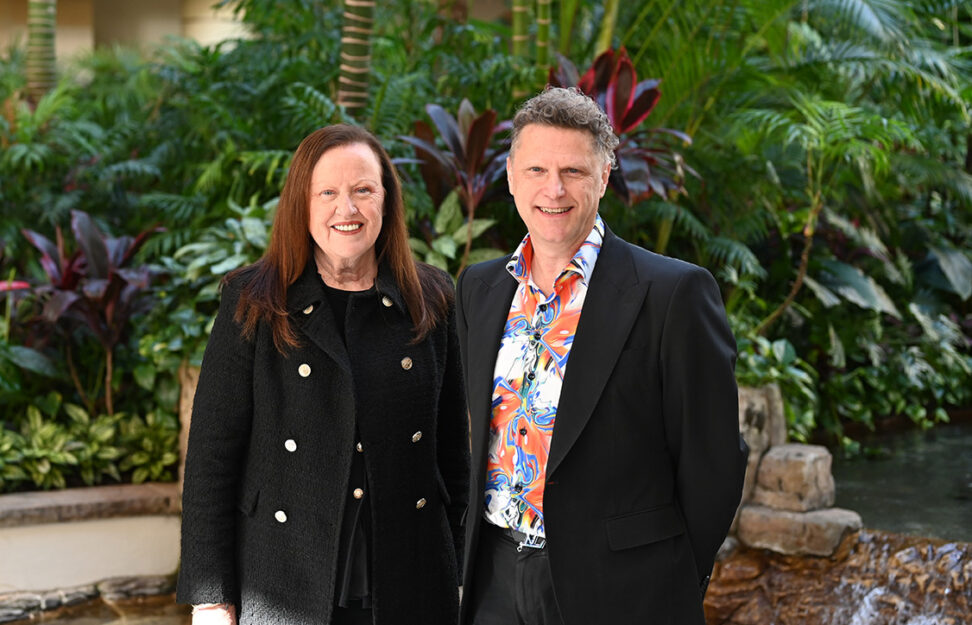
Diane Langmack OAM and Professor Marc Pellegrini
The Centenary Institute and Cure The Future Foundation have announced a new philanthropic partnership to accelerate research into life-changing treatments for rare genetic diseases and cancers.

The collaboration will see the Foundation support the development of advanced gene and cell therapies at the Centenary Institute, uniting scientific expertise with a shared commitment to improving human health.

Funds raised by Cure The Future will support pioneering research led by Dr Charles (Chuck) Bailey and his team at the Centenary Institute’s Centre for Rare Diseases & Gene Therapy. Their work is focused on using advanced molecular therapies to treat a range of serious rare diseases. These include severe genetic disorders such as Pompe disease and Duchenne muscular dystrophy, autoimmune diseases and rare cancers like mesothelioma.

“Gene therapy has the potential to transform medicine by addressing disease at its source,” said Dr Bailey. “By repairing or modifying genes within cells, we’re developing more precise and effective treatments that go beyond symptom management.”

“Ultimately, our goal is to deliver lasting cures by targeting the underlying causes of disease,” he said.

Professor Marc Pellegrini, Executive Director of the Centenary Institute, said the partnership is a powerful alignment of research and philanthropy.

“This collaboration brings together cutting-edge science with a shared mission to tackle some of the most challenging rare genetic diseases and cancers,” Professor Pellegrini said.

“With the support of the Cure The Future Foundation, we can advance discoveries that have the potential to redefine what’s possible in genetic medicine and transform lives for the better.”

He added, “We’re incredibly grateful to the Foundation for their belief in our work and their commitment to making a meaningful difference in the lives of patients affected by serious disease.”

Diane Langmack OAM, Board Chair of Cure The Future Foundation, said she was proud to be partnering with the Centenary Institute to advance urgently needed research.

“This partnership is a really special moment for us. Working with the Centenary Institute means we’re helping push forward the kind of research that changes lives. It brings real hope to families facing serious illness and helps fast-track the discoveries that can make all the difference,” she said.

“At Cure The Future Foundation, we’re proud to back brilliant minds driving life-changing research. This partnership shows the incredible impact we can have when people unite with purpose, because the true strength of humanity lies in working together.”

The partnership has just been officially launched, reinforcing both organisations’ shared commitment to advancing world-leading medical research that delivers both hope and better health outcomes for people affected by rare diseases.
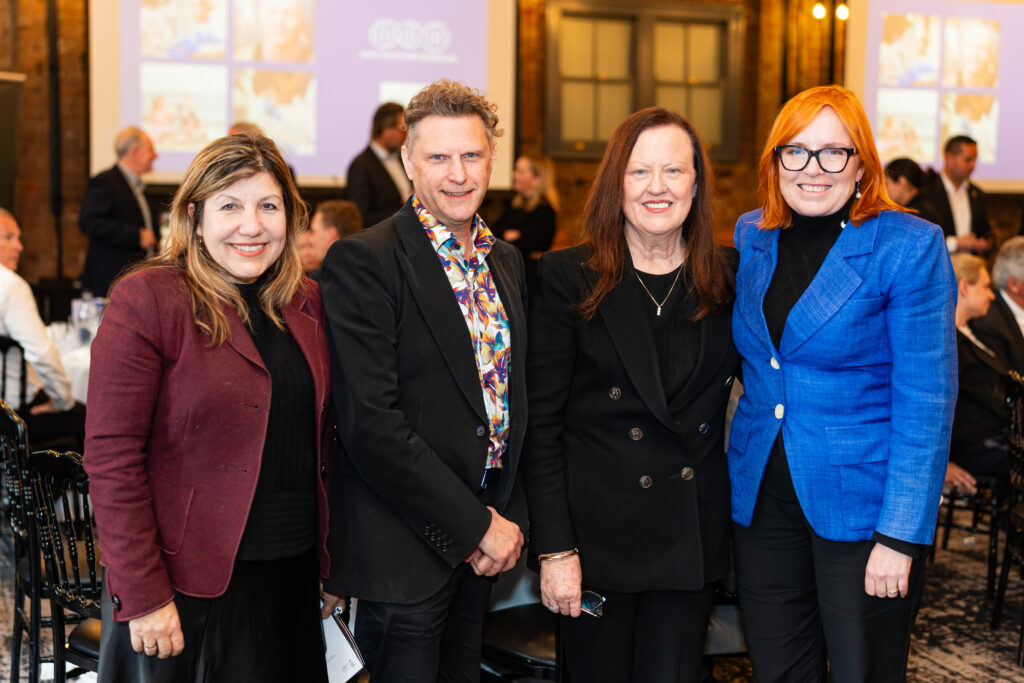
The Hon. Sophie Cotsis, MP; Professor Marc Pellegrini, Executive Director of the Centenary Institute; Diane Langmack OAM, Board Chair of Cure The Future Foundation; and Julia Finn, MP at the official launch of the Centenary Institute and Cure the Future Foundation partnership.

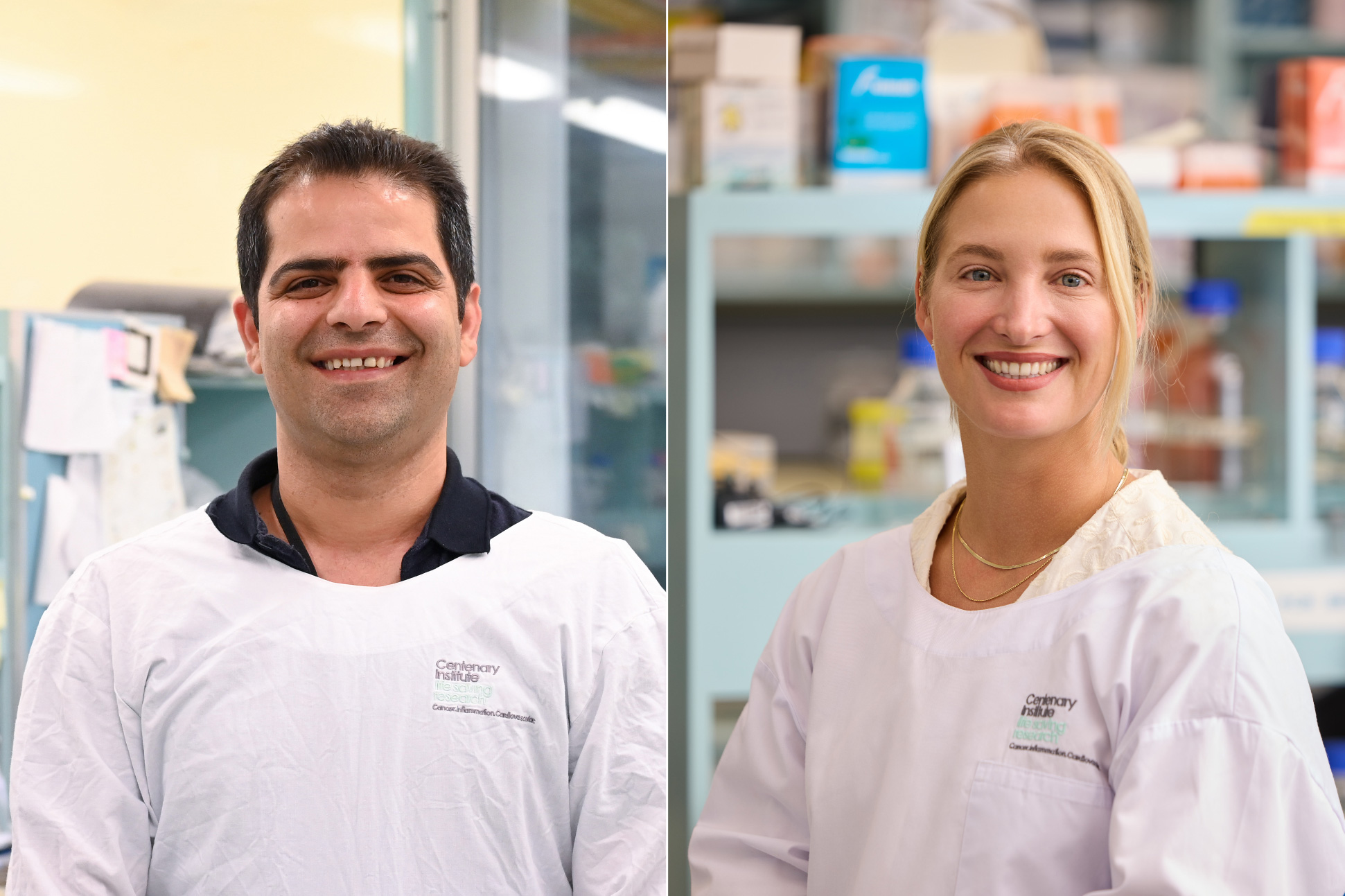
Dr Jessamy Tiffen, Acting Deputy Director at the Centenary Institute, shares insights into her life-saving melanoma research at the official partnership launch event.
Media enquires

For all media and interview enquiries, please contact Tony Crawshaw

Phone number Phone Number +61 402 770 403

Email Email t.crawshaw@centenary.org.au

Media Release

Centenary Institute and Cure the Future join forces to tackle rare diseases

Download

Recent Stories

  • Stem cell-coated contact lenses to be readied for clinical trials

    A breakthrough stem cell-coated contact lens designed to restore sight for people with corneal blindness will move closer to clinical use following a new Medical Research Future Fund (MRFF) grant awarded to a national team of researchers.
    News Type: Research News
    Date 15 Jul 2026
  • Centenary marks NAIDOC Week with special guest speaker

    The Centenary Institute marked NAIDOC Week 2026 with a special event celebrating this year's national theme, '50 Years of Deadly', which recognises five decades of honouring Aboriginal and Torres Strait Islander voices, achievements, leadership and culture.
    News Type: Community
    Date 08 Jul 2026
  • Protein form linked to severe COVID-19 and lung disease risk

    An international study involving the Centenary Institute and the University of Sydney has uncovered a previously hidden genetic factor that appears to help explain why some people develop lung fibrosis, a condition in which lung tissue becomes damaged and scarred, or experience severe COVID-19.
    News Type: Research News
    Date 01 Jul 2026
  • Tuberculosis research symposium hosted at the Centenary Institute

    The Centenary Institute recently hosted the 2026 Tuberculosis Centre of Research Excellence (TB-CRE) Annual Research Symposium. The event brought together leading researchers, clinicians and tuberculosis (TB) program partners dedicated to tackling TB across Australia and the Asia-Pacific region.
    News Type: Research News
    Date 10 Jun 2026

Subscribe to receive news on
research updates and free events

Newsletter

The Centenary Institute is a world-leading independent Medical Research Institute.

We acknowledge the Gadigal of the Eora Nation, the traditional custodians of the Country on which the Centenary Institute stands.

About

  • About us
  • Governance
  • Corporate information

Research

  • Our researchers
  • News

Careers & studies

  • Career opportunities
  • Student opportunities
  • Life at Centenary

Links

  • Contact
  • Privacy statement
  • Staff Intranet

Contact us

Building 93, Royal Prince Alfred Hospital
Missenden Rd
Camperdown NSW 2050 Australia
Telephone +61 2 9565 6100
Fax +61 2 9565 6101

Contact Privacy

Centenary Institute ABN 22 654 201 090 (DGR 1) • Centenary Institute Medical Research Foundation ABN 85 778 244 012 (DGR 2)
© 2017 Centenary Institute of Cancer Medicine and Cell Biology.

  • Linkedin
  • Facebook
  • Twitter
  • Youtube
  • Instagram