
Genetic research sheds light on inherited arrhythmia syndromes
 24 November, 2026


The SCN5A gene contains instructions for making a protein that helps control the heart’s electrical activity. The researchers found that the genetic change disrupts how these instructions are processed, resulting in abnormal RNA that could affect how the protein is made.
The variant is located in the intron, which is a small section of the gene that is normally removed when cells process RNA. Uniquely to this variant, the change affects a minor intron, which occurs in only about 0.5% of all introns found in the human genome. Changes in these regions can be difficult to assess, making it challenging to determine whether they are linked to disease.
The variant was identified in a person with heart rhythm problems, and found in other family members with related conditions, including Brugada syndrome, a condition known to cause life-threatening arrythmias.
Due to the uniqueness of this variant, the researchers investigated the variant using heart muscle cells derived from the patient’s stem cells. Their findings confirmed the presence of abnormal SCN5A RNA, providing evidence to support reclassifying the variant from uncertain significance to likely pathogenic, meaning it is likely to contribute to disease.
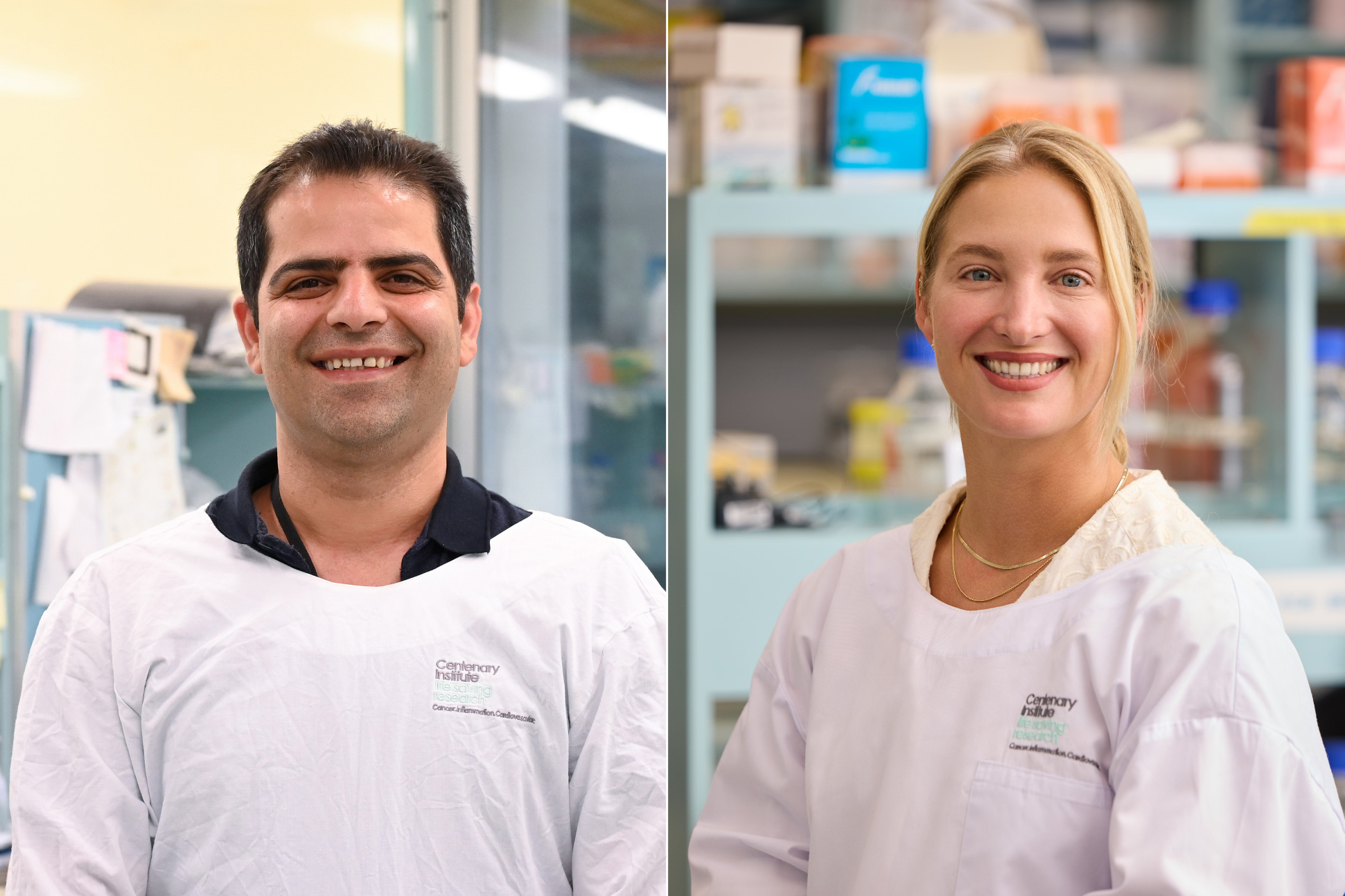
“By studying how this genetic variant affects the SCN5A gene, we found evidence that it is likely to contribute to the heart problems seen in the family,” said first author of the study, Dr Emma Singer, a Research Officer in the Centenary Institute’s Centre for Cardiovascular Research.
The researchers also used an artificial intelligence tool to examine genetic variants in minor introns across the human genome. They found patterns in the genetic code that could help researchers predict which genetic changes might disrupt RNA processing, potentially leading to disease.
“Combining laboratory experiments using patient-derived heart muscle cells as well as the use of artificial intelligence allowed us to investigate this specific variant and identify broader patterns that could help detect other genetic changes that may contribute to disease,” said Dr Singer.
“Ultimately, this could help researchers and clinicians better interpret genetic test results, particularly when it is unclear whether a specific genetic change is responsible for a person’s condition.”
The study was published in the journal Human Mutation. Associate Professor Richard Bagnall, Head of the Centenary Institute’s Centre for Cardiovascular Research is the paper’s senior author.