
Skip to content
Home page - Centenary Institute Centenary Institute

Primary menu

  • Research
        • Research

          The latest medical research into our most complex health challenges across biomedical AI, cancer, cardiovascular diseases, immunity, age-related, rare and infectious diseases.

          Learn more

        • Biomedical AI
        • Cancer Innovations
        • Cardiovascular Research
        • Infection & Immunity
        • Rare Diseases & Gene Therapy
        • Laboratories
        • Impact
        • Technologies
        • Commercialisation
  • Support us
        • Support us

          By supporting the Centenary Institute you can help improve human health through excellence in medical research.

          Learn more

        • Workplace giving
        • Host or join a fundraiser
        • Gift in your will
        • Donate in memory
        • Advise on our research
  • Careers & students
        • Careers & Students

          Postdoctoral and postgraduate students can work alongside world-leading medical researchers within state-of-the-art research facilities.

        • Careers
        • Study opportunities
  • News & events
        • News & Events

          Explore the latest research breakthroughs and ways you can take part in our series of digital and in-person events.

        • News
        • Statements
        • Events
        • Real stories
  • About us
        • About us

          We are world-leading independent medical research institute that drives collaboration to accelerate and translate solutions to our most complex health challenges.

          Learn more

        • Governance
        • Corporate information
        • Annual reports
        • Animals in research
        • Contact
  • Donate
    Centenary Institute > News > Impact of bushfire smoke on health to be studied

Impact of bushfire smoke on health to be studied

Date time 24 June, 2020
News Type News type Media release
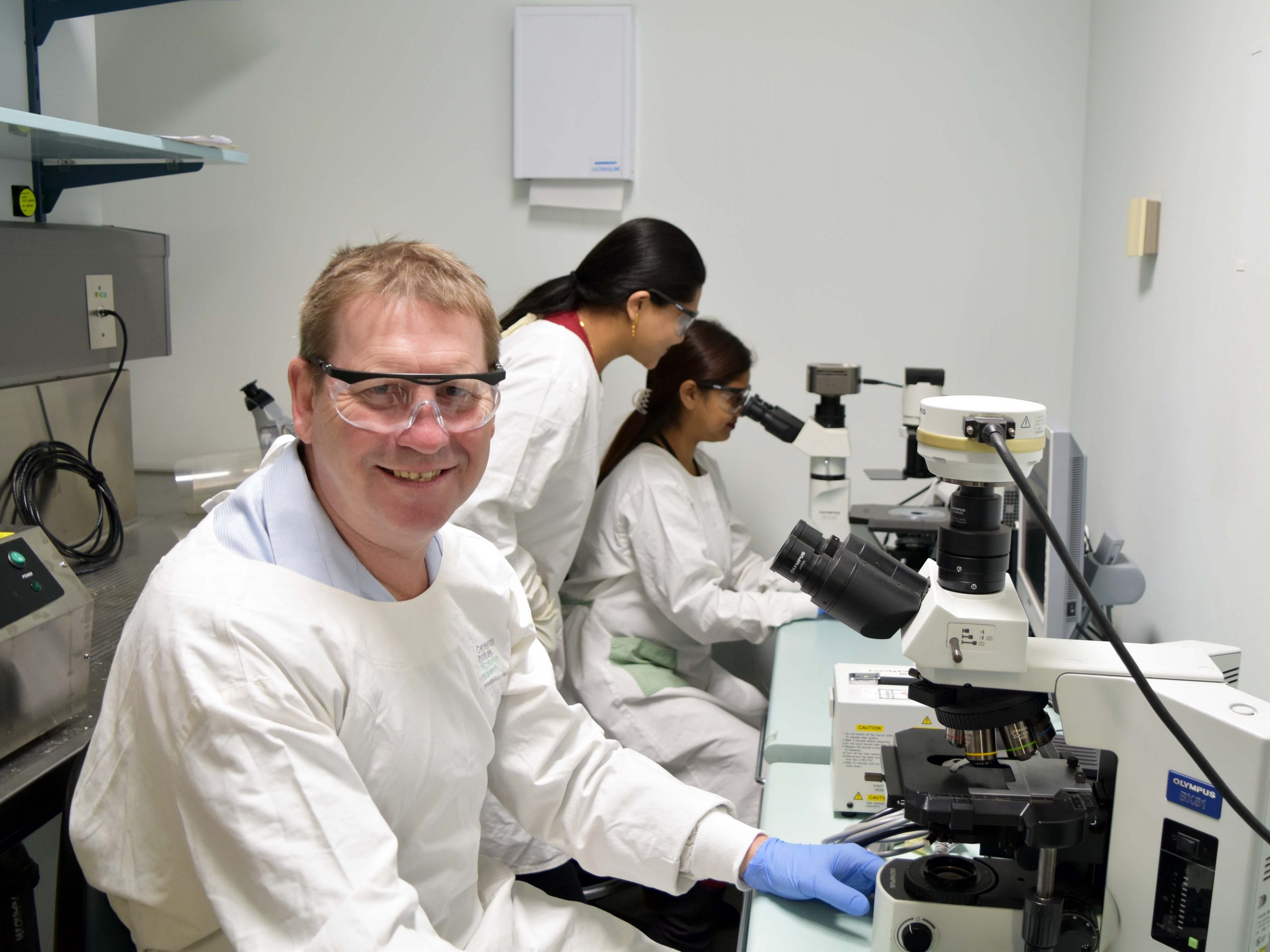
Understanding the long-term health impacts of bushfire smoke will be the focus of a new study being undertaken at the Centenary Institute and the University of Technology Sydney (UTS).

The study, funded by the Medical Research Future Fund’s (MRFF) Bushfire Impact Research grants program will seek to better understand the physiological impacts of prolonged bushfire smoke exposure, to improve health outcomes for Australians.

Professor Phil Hansbro, Deputy Director at the Centenary Institute as well as Director of the Centenary UTS Centre for Inflammation was the successful recipient of the grant and will be leading a team of specialist respiratory disease researchers and clinicians on the project.

“The true extent of bushfire smoke on people is still largely unknown,” said Professor Hansbro. “We just don’t know the full impact on people resulting from prolonged smoke inhalation or if short term effects resolve after the exposure ends. There is a real knowledge gap as to what level of smoke exposure is likely ok and what level may lead to adverse health effects, particularly for the more vulnerable in our society.”

For this study, the research team will explore the short and prolonged physiological effects of bushfire smoke using mouse models and primary human cells and tissues. Assessed will be how bushfire smoke affects the airways, lungs and other organs and what the long-term consequences of this exposure could be.

Potential smoke impact on healthy individuals and those with common pre-existing respiratory disease such as asthma, emphysema and lung cancer will also be explored. “Ideally from our study, we’ll be able to help define safe levels of bushfire smoke exposure across all of these population groups,” said Professor Hansbro.

The researchers will then use their findings to evaluate new prevention strategies and treatment measures. This will include the appraisal of anti-inflammatory drugs already in pre-clinical development that can be taken to help mitigate the effects of excessive bushfire smoke inhalation. The aim is to implement the study findings into practice, as quickly as is practically possible.

Professor Hansbro is grateful for the opportunity provided by the federal government.

“Bushfires and smoke are a constant feature of the Australian environment and will continue to impact many of us, whether in the bush, towns or larger cities. Our research will lead to improved knowledge in this critical area ultimately leading to improved health and wellbeing outcomes for many Australians,” he said.

More information on the Australian Government’s Medical Research Future Fund and its funding of research into the health effects of bushfires can be found online.

Read the full media release here.
Themes

  • Inflammation

    Inflammation

Media enquires

For all media and interview enquiries, please contact Tony Crawshaw

Phone number Phone Number +61 402 770 403

Email Email t.crawshaw@centenary.org.au

Media Release

Download

Recent Stories

  • New genetic discovery on sudden cardiac death in the young

    Researchers at the Centenary Institute have helped uncover a previously unrecognised genetic cause of sudden cardiac death in young people.
    News Type: Research News
    Date 16 Apr 2026
  • New grant targets longer-lasting islet cell treatments for type 1 diabetes

    Dr Lise Hunault, a researcher in the Centenary Institute’s Centre for Biomedical AI, has been awarded a major research grant from Breakthrough T1D, the leading global type 1 diabetes research and advocacy organisation, to advance islet-cell replacement therapies for type 1 diabetes.
    News Type: Research News
    Date 16 Mar 2026
  • Centenary marks International Women’s Day with inspiring speakers

    The Centenary Institute community came together to celebrate International Women’s Day 2026, with a special event highlighting this year’s Australian theme, ‘Balancing the Scales.’
    News Type: Community
    Date 11 Mar 2026
  • Vaxosome launched to develop next-generation mRNA vaccines

    A new biotechnology company, Vaxosome, has been launched to develop next-generation vaccines aimed at tackling some of the world’s most challenging infectious diseases.
    News Type: Research News
    Date 10 Mar 2026

Subscribe to receive news on
research updates and free events

Newsletter

The Centenary Institute is a world-leading independent Medical Research Institute.

We acknowledge the Gadigal of the Eora Nation, the traditional custodians of the Country on which the Centenary Institute stands.

About

  • About us
  • Governance
  • Corporate information

Research

  • Our researchers
  • News

Careers & studies

  • Career opportunities
  • Student opportunities
  • Life at Centenary

Links

  • Contact
  • Privacy statement
  • Staff Intranet

Contact us

Building 93, Royal Prince Alfred Hospital
Missenden Rd
Camperdown NSW 2050 Australia
Telephone +61 2 9565 6100
Fax +61 2 9565 6101

Contact Privacy

Centenary Institute ABN 22 654 201 090 (DGR 1) • Centenary Institute Medical Research Foundation ABN 85 778 244 012 (DGR 2)
© 2017 Centenary Institute of Cancer Medicine and Cell Biology.

  • Linkedin
  • Facebook
  • Twitter
  • Youtube
  • Instagram