
Student spotlight: Dr Thuy Luong
 27 August, 2026

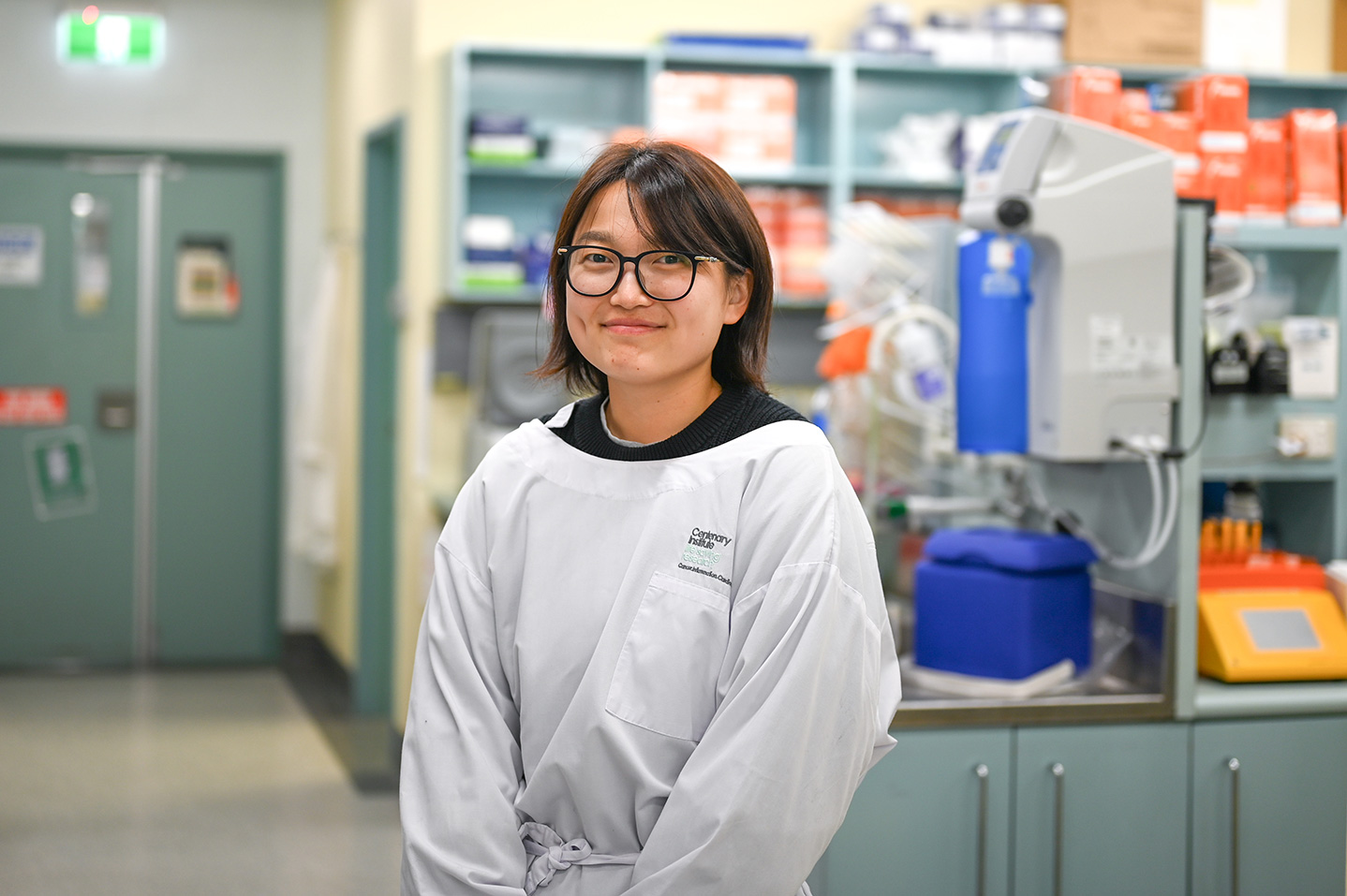
Now a PhD student at the Centenary Institute and the University of Sydney, he is investigating how melanoma cells spread, with the aim of improving our understanding of this serious form of skin cancer.
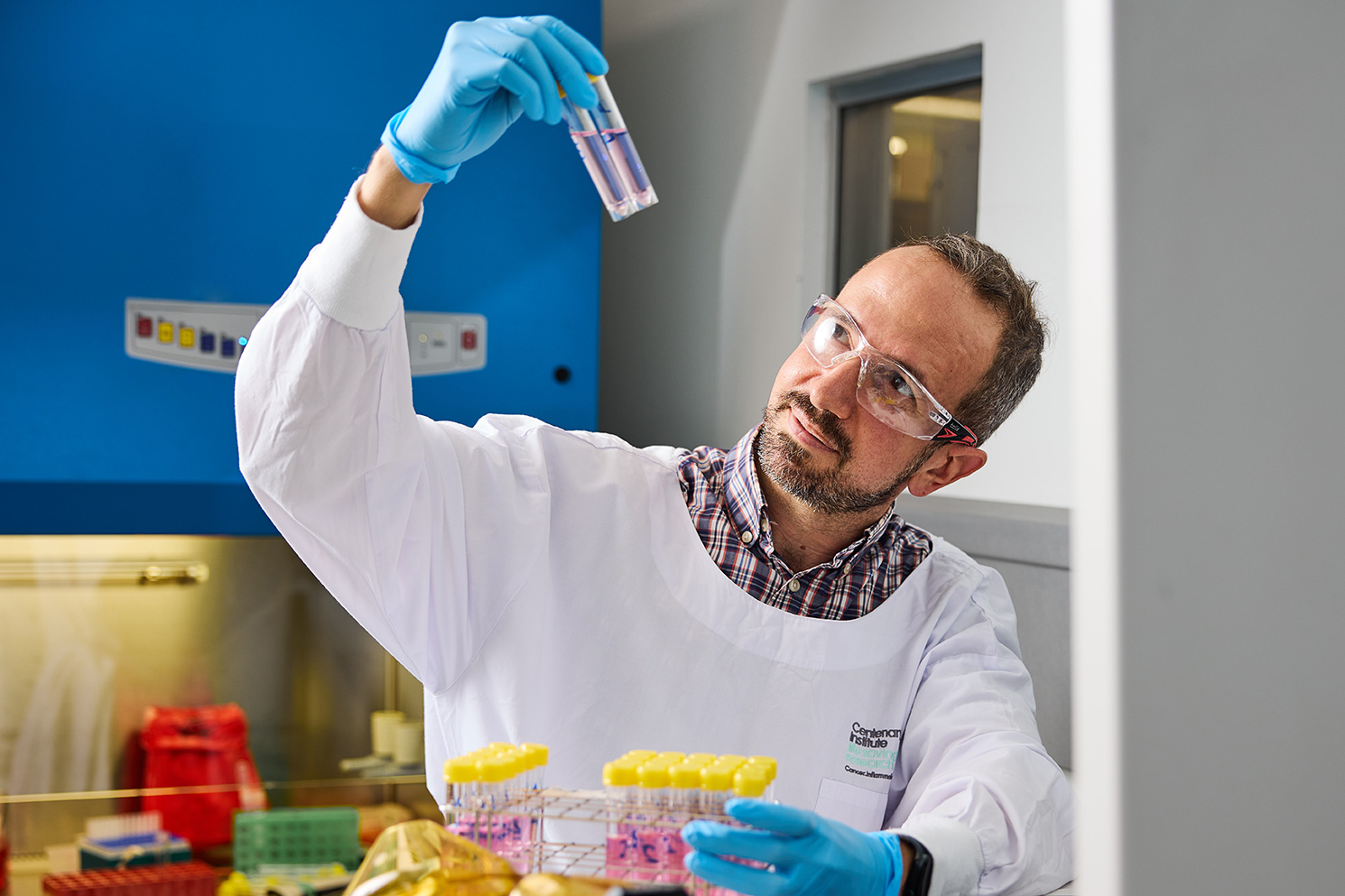
Using laboratory-based cell culture experiments, Thuy studies the mechanisms that allow melanoma cells to migrate and invade surrounding tissue. By better understanding how melanoma spreads, his research could help identify new ways to block this movement and prevent the disease from progressing to more advanced stages.
For Thuy, one of the most rewarding parts of research is seeing an experiment finally produce consistent results after the troubleshooting and repetition that come with laboratory work.
“These moments provide a sense of reassurance that all of the hard work is paying off and that my research is moving in the right direction,” he says.
After completing his PhD, Thuy hopes to secure a postdoctoral research opportunity in Australia for a further two years to gain additional experience.
“Following that, my longer-term goal is to return to Vietnam,” Thuy says. “I hope to use the skills and knowledge gained through my research to teach future medical students and contribute to dermatology research in my home country.”
He says the welcoming and collaborative environment at the Centenary Institute has made his research experience particularly rewarding.
“Everyone at the Centenary Institute is incredibly friendly, supportive and willing to share their expertise,” he says.
“The working environment is highly collaborative and well-equipped, which makes doing complex research much more enjoyable.”
Outside the lab, Thuy enjoys cycling and hiking, particularly on weekends.
“Engaging in these outdoor activities is my favourite way to clear my mind, relieve the stress of a busy week and leave me feeling completely refreshed and ready for the next set of experiments,” Thuy says.
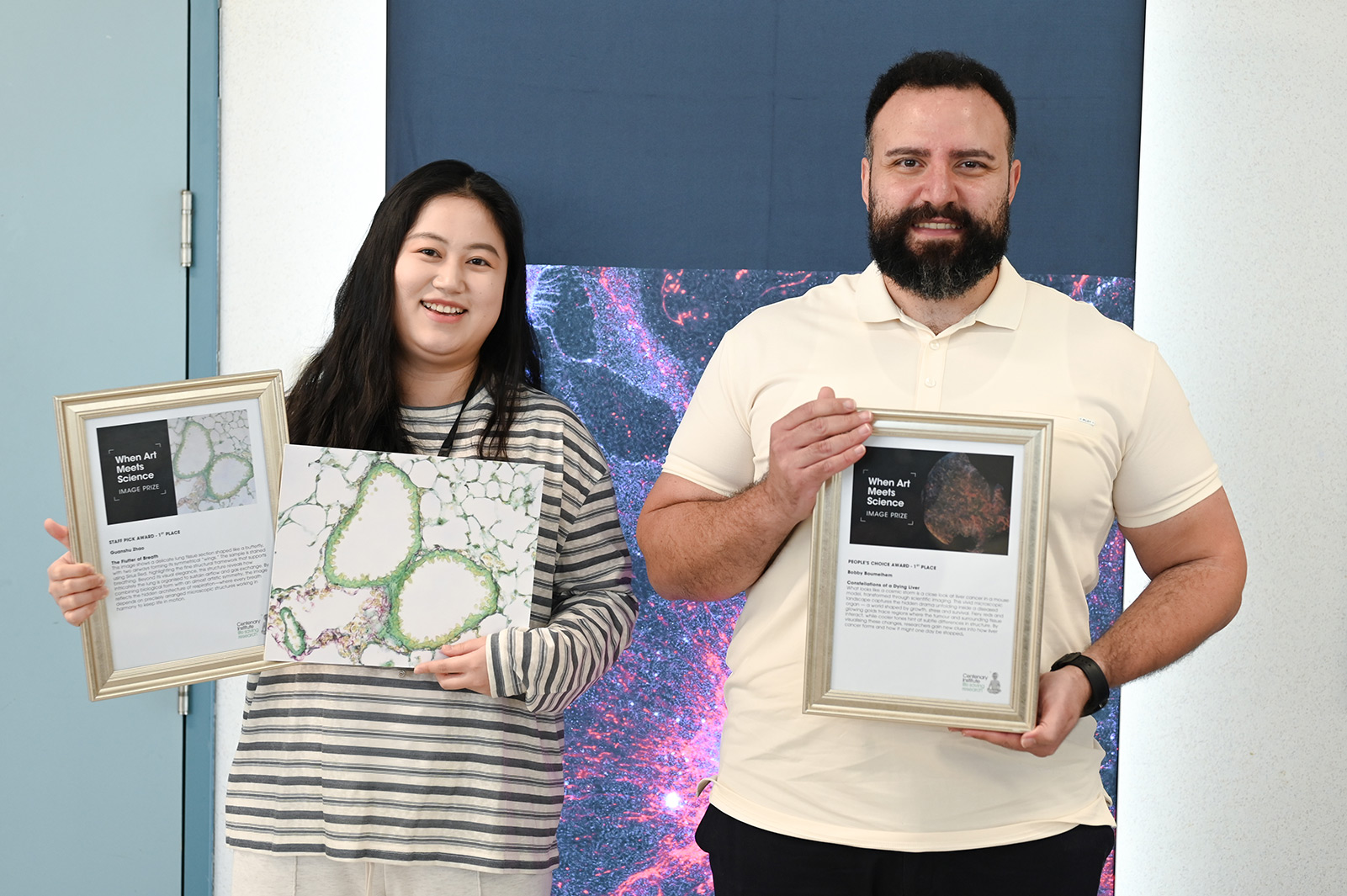
In a recent highlight, Thuy took third place in Centenary’s ‘When Art Meets Science Image Prize’, an annual competition and exhibition, where researchers create works of art based on their investigation. His image captured melanoma cells prior to metastasising.
“Sharing my image with the wider community was a great opportunity to show the complexity and beauty inherent in medical research,” he concludes.
“It was also satisfying to give people a glimpse into the work that goes on in the laboratory, and it was good fun to see my image on public display.”