Skip to content
Home page - Centenary Institute Centenary Institute

Primary menu

  • Research
        • Research

          The latest medical research into our most complex health challenges across biomedical AI, cancer, cardiovascular diseases, immunity, age-related, rare and infectious diseases.

          Learn more

        • Biomedical AI
        • Cancer Innovations
        • Cardiovascular Research
        • Infection & Immunity
        • Rare Diseases & Gene Therapy
        • Laboratories
        • Impact
        • Technologies
        • Commercialisation
  • Support us
        • Support us

          By supporting the Centenary Institute you can help improve human health through excellence in medical research.

          Learn more

        • Workplace giving
        • Host or join a fundraiser
        • Gift in your will
        • Donate in memory
        • Advise on our research
  • Careers & students
        • Careers & Students

          Postdoctoral and postgraduate students can work alongside world-leading medical researchers within state-of-the-art research facilities.

        • Careers
        • Study opportunities
  • News & events
        • News & Events

          Explore the latest research breakthroughs and ways you can take part in our series of digital and in-person events.

        • News
        • Statements
        • Events
        • Real stories
  • About us
        • About us

          We are world-leading independent medical research institute that drives collaboration to accelerate and translate solutions to our most complex health challenges.

          Learn more

        • Governance
        • Corporate information
        • Annual reports
        • Animals in research
        • Contact
  • Donate
    Centenary Institute > News > Award to fund innovative CAR-T cell therapy research

Award to fund innovative CAR-T cell therapy research

Date time 4 August, 2023
News Type News type Media release
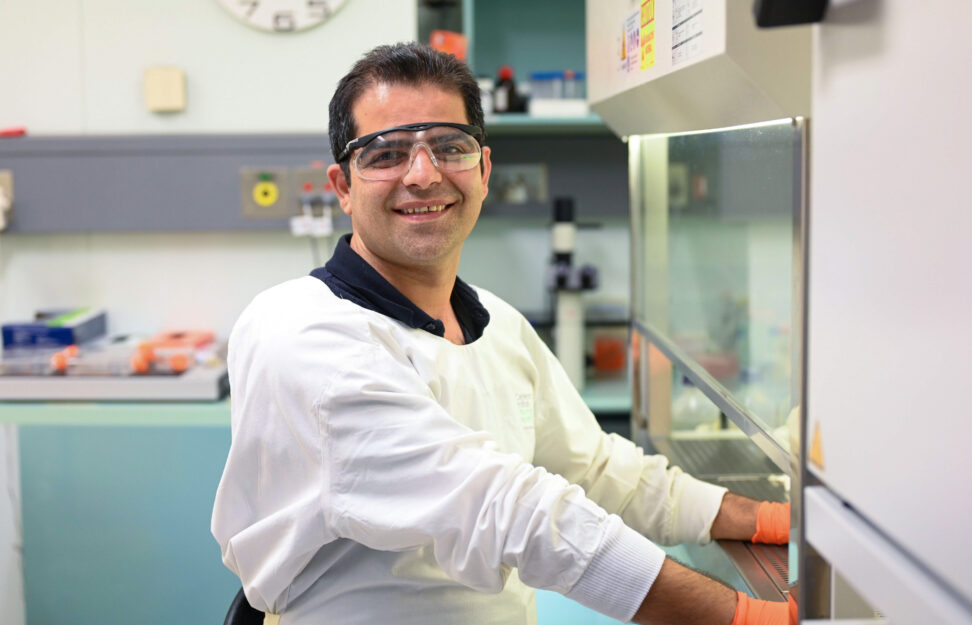
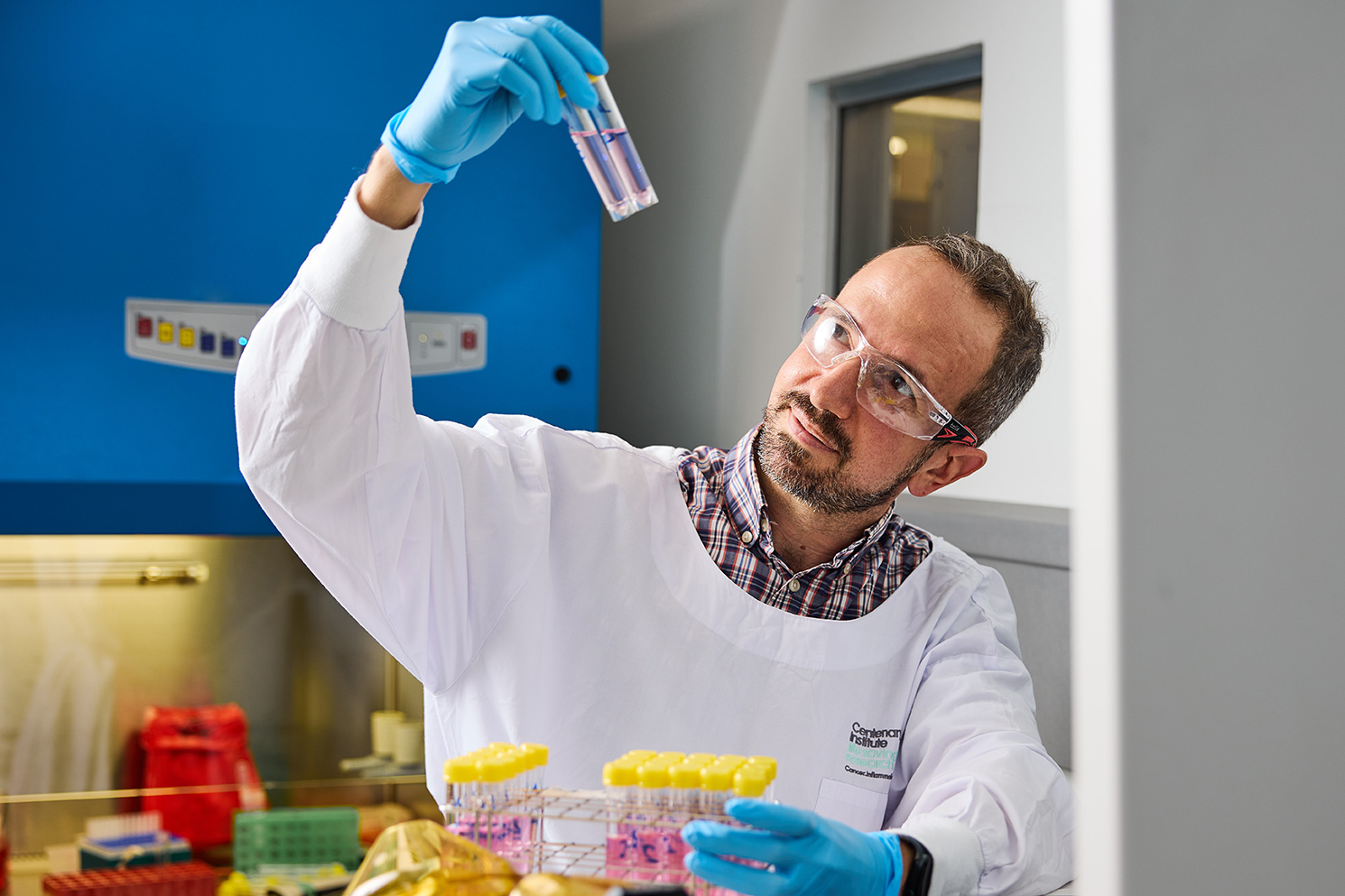
Dr Mehdi Sharifi Tabar, a researcher from the Gene and Stem Cell Therapy Program at the Centenary Institute, has been announced as the recipient of the 2023 Kenyon Foundation Inflammation Award.

The $20,000 award will support Dr Tabar’s research into enhancing the effectiveness of CAR-T cell therapy, an innovative cancer treatment that involves modifying a patient’s own immune cells into CAR-T cells to target and destroy cancer.

While CAR-T cell therapy has shown remarkable success in treating blood cancers, its ability in combating solid tumours is limited.

“We have successfully treated towards one hundred patients with blood cancers using CAR-T cells at the Royal Prince Alfred Hospital but they still haven’t been shown to work for more common cancers,” observed Professor John Rasko AO, who is Head of the Gene and Stem Cell Therapy Program.

One of the major challenges faced by CAR-T cell therapy is CAR-T cell exhaustion, a phenomenon in which the modified immune cells lose their cancer-fighting ability over time due to prolonged exposure to tumour cells.

Dr Tabar’s research will concentrate on a specific gene that regulates the production of signalling molecules (inflammatory cytokines), which can lead to CAR-T cell exhaustion. By modifying this gene, the goal is to decrease the rate of CAR-T cell exhaustion and improve the tumour-killing potential of CAR-T cells.

“CAR-T cells produce signalling molecules in response to cancer cells. They help to activate other immune cells and enhance the anti-cancer immune response,” explained Dr Tabar.

“However, the excessive release of these signalling molecules can cause CAR-T cells to over-activate leading to CAR-T cell exhaustion, which can limit the efficacy of CAR-T cell therapy. By genetically ‘turning down’ the production of these signalling molecules, we may be able to reduce exhaustion levels and ultimately improve cancer treatment outcomes for patients.”

Pancreatic cancer models will be used by Dr Tabar to test the approach with the insights gained likely to improve the understanding and effectiveness of CAR-T cell therapy in a broader cancer context.

“I’m extremely grateful for the Kenyon Foundation’s support,” said Dr Tabar.

“The funding will allow me to undertake research that has the potential to overcome the challenge of CAR-T cell exhaustion and unlock the full potential of this exciting cancer treatment.”

Trustee of the Kenyon Foundation, David Kenyon, expressed his enthusiasm for the innovative research.

“The Foundation is delighted to continue its support of, and investment in, the careers of outstanding researchers such as Dr Tabar, to improve our understanding of human health and ultimately provide better outcomes for the community,” said Mr Kenyon.

“Dr. Tabar’s important research has the potential to advance the knowledge and application of CAR-T cell therapy and to improve the lives of those affected by cancer, a truly devastating disease.”
Media enquires

For all media and interview enquiries, please contact Tony Crawshaw

Phone number Phone Number +61 402 770 403

Email Email t.crawshaw@centenary.org.au

Media Release

Award to fund innovative CAR-T cell therapy research

Download

Recent Stories

  • Modified BCG vaccine strengthens protection against TB

    Researchers from the Centenary Institute and the University of Sydney have developed a modified version of the tuberculosis (TB) vaccine BCG that provided stronger and more sustained protection against TB. In preclinical tests in mice, the modified vaccine showed potential as a new approach to improving the effectiveness of TB vaccination. A bacterial infection caused ...
    News Type: Media release
    Date 15 Sep 2026
  • When Art Meets Science – People’s Choice and Staff Pick winners

    The winners of the People’s Choice and Staff Pick categories in the Centenary Institute’s ‘When Art Meets Science’ Prize have been announced, celebrating two striking scientific images that reveal the hidden detail and complexity of medical research.
    News Type: Community
    Date 02 Sep 2026
  • Student spotlight: Dr Thuy Luong

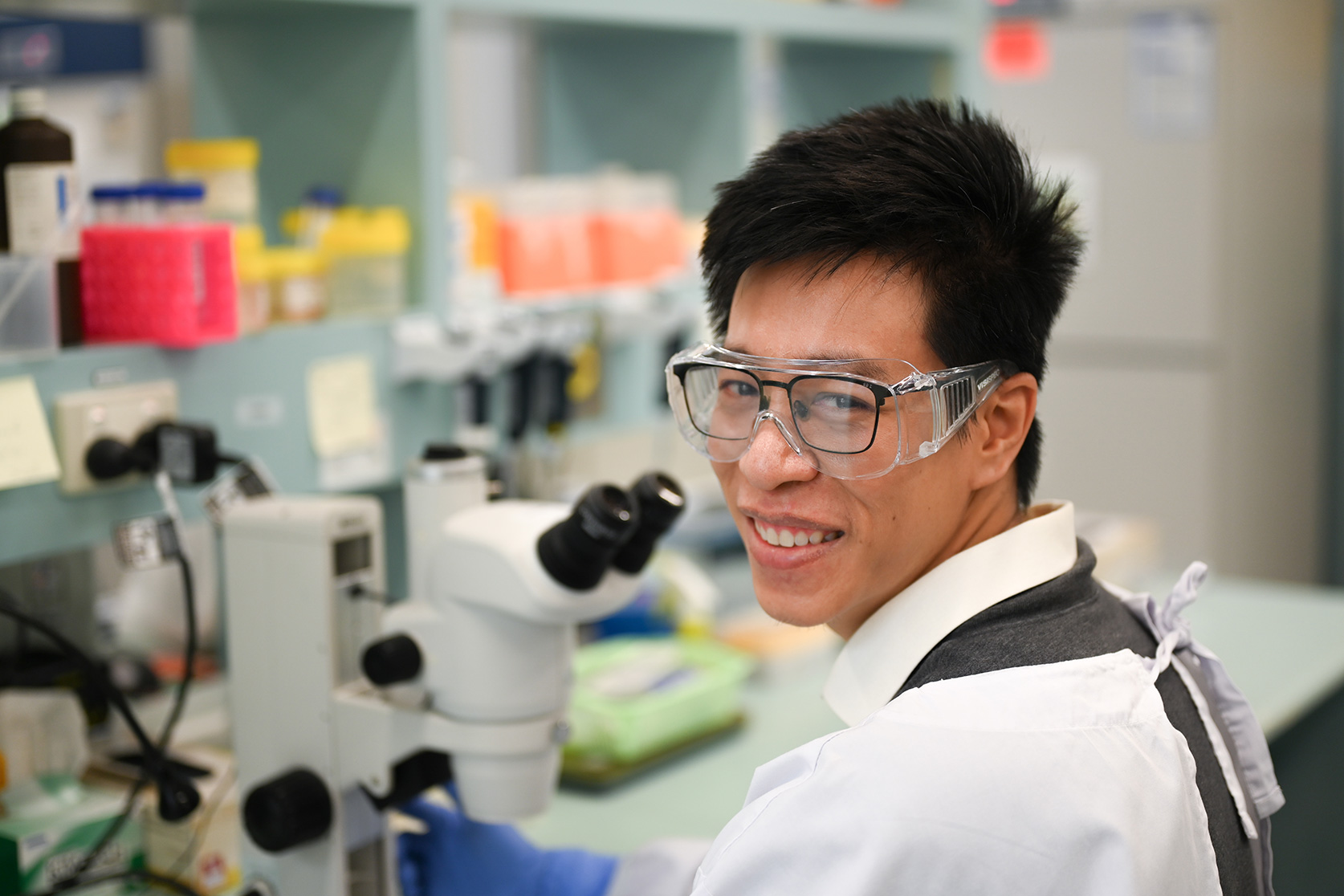
    Dr Thuy Luong’s journey into medical research began in the clinic, where his work as a dermatologist in Vietnam sparked a curiosity about the biological mechanisms behind skin disease.
    News Type: Profiles
    Date 27 Aug 2026
  • Centenary researcher awarded genomics fellowship

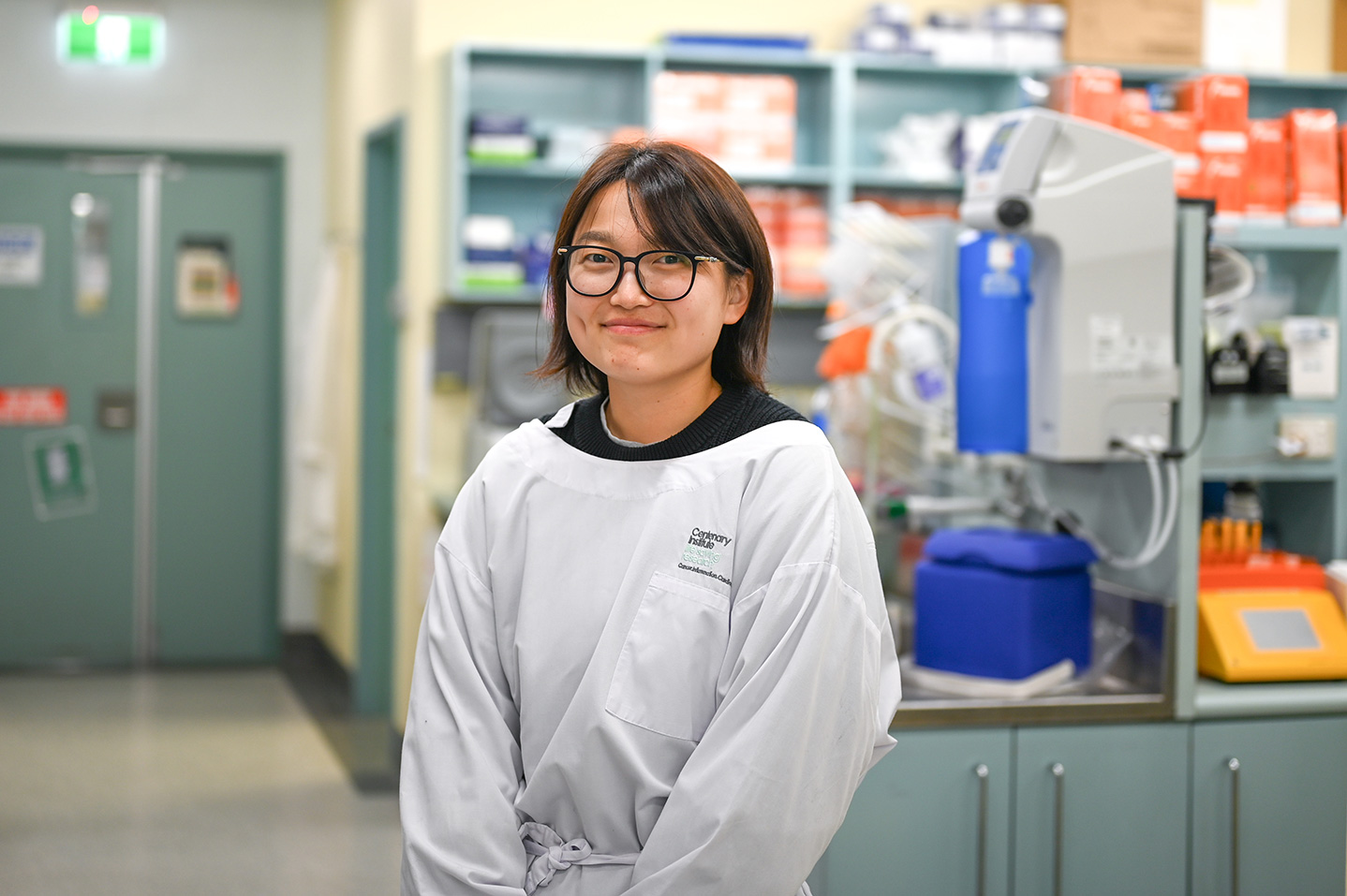
    The Centenary Institute's Dr Christine (Seul A) Lee has been awarded a Millennium Science–10x Genomics Fellowship in recognition of her research excellence.
    News Type: Research News
    Date 05 Aug 2026

Subscribe to receive news on
research updates and free events

Newsletter

The Centenary Institute is a world-leading independent Medical Research Institute.

We acknowledge the Gadigal of the Eora Nation, the traditional custodians of the Country on which the Centenary Institute stands.

About

  • About us
  • Governance
  • Corporate information

Research

  • Our researchers
  • News

Careers & studies

  • Career opportunities
  • Student opportunities
  • Life at Centenary

Links

  • Contact
  • Privacy statement
  • Staff Intranet

Contact us

Building 93, Royal Prince Alfred Hospital
Missenden Rd
Camperdown NSW 2050 Australia
Telephone +61 2 9565 6100
Fax +61 2 9565 6101

Contact Privacy

Centenary Institute ABN 22 654 201 090 (DGR 1) • Centenary Institute Medical Research Foundation ABN 85 778 244 012 (DGR 2)
© 2017 Centenary Institute of Cancer Medicine and Cell Biology.

  • Linkedin
  • Facebook
  • Twitter
  • Youtube
  • Instagram