
Centenary researcher awarded genomics fellowship
 5 August, 2026
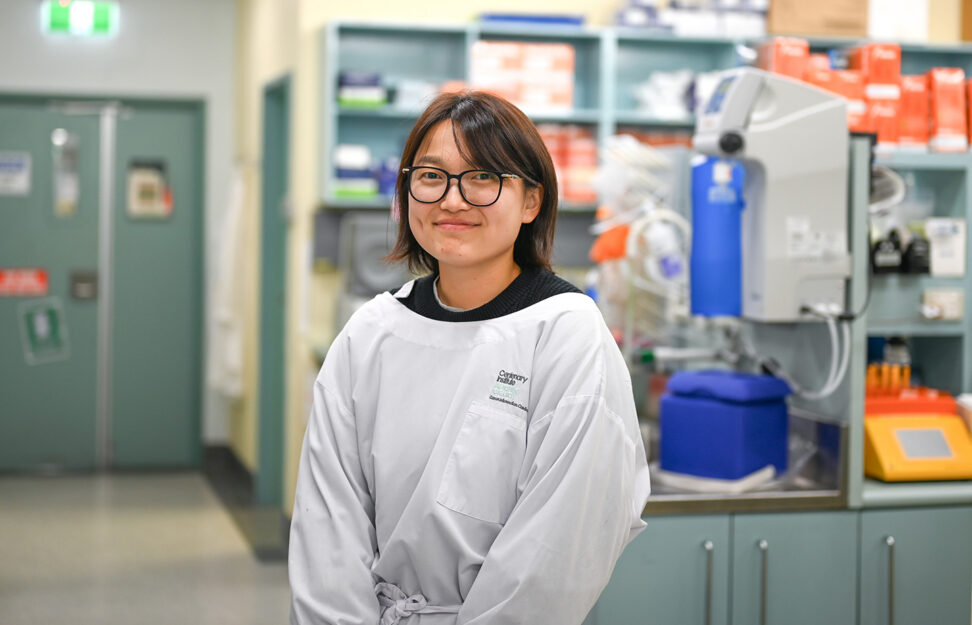
The fellowship will support her work using advanced spatial genomics technologies to investigate pancreatic and appendiceal cancers, two aggressive diseases with poor survival rates and limited treatment options.
Her research will examine how cancer cells interact with the surrounding cells and tissues that make up the tumour microenvironment. Spatial genomics allows researchers to map not only which cells are present, but precisely where they sit and how they are organised in relation to one another, details that conventional approaches cannot capture. By building this picture, the project aims to reveal how these cancers develop and identify new opportunities for earlier diagnosis and more effective treatments.
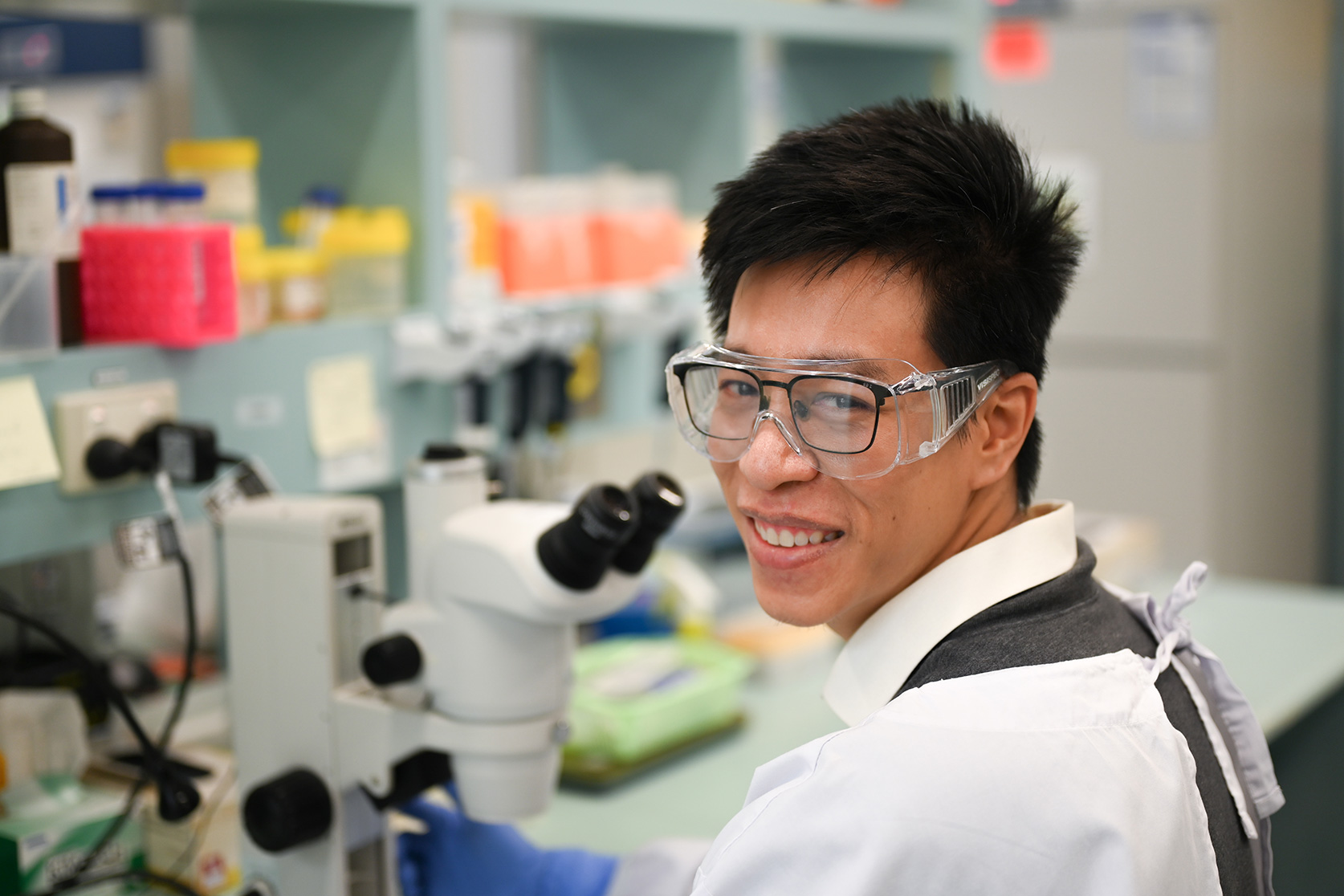
Dr Lee, from the Yeo Laboratory in Centenary’s Centre for Cancer Innovations, said the fellowship represented an exciting opportunity to apply powerful new technologies to an important area of cancer research.
“Every tumour exists within a complex community of healthy cells that can influence how cancer grows and responds to treatment,” said Dr Lee.
“This fellowship will allow us to better map those interactions in unprecedented spatial detail, helping us better understand what drives these aggressive cancers and where new opportunities for diagnosis and treatment may lie.”
The Millennium Science–10x Genomics Fellowship provides recipients with access to advanced spatial genomics technologies, specialist training and expert support to help accelerate innovative biomedical research.