Skip to content
Home page - Centenary Institute Centenary Institute

Primary menu

  • Research
        • Research

          The latest medical research into our most complex health challenges across biomedical AI, cancer, cardiovascular diseases, immunity, age-related, rare and infectious diseases.

          Learn more

        • Biomedical AI
        • Cancer Innovations
        • Cardiovascular Research
        • Infection & Immunity
        • Rare Diseases & Gene Therapy
        • Laboratories
        • Impact
        • Technologies
        • Commercialisation
  • Support us
        • Support us

          By supporting the Centenary Institute you can help improve human health through excellence in medical research.

          Learn more

        • Workplace giving
        • Host or join a fundraiser
        • Gift in your will
        • Donate in memory
        • Advise on our research
  • Careers & students
        • Careers & Students

          Postdoctoral and postgraduate students can work alongside world-leading medical researchers within state-of-the-art research facilities.

        • Careers
        • Study opportunities
  • News & events
        • News & Events

          Explore the latest research breakthroughs and ways you can take part in our series of digital and in-person events.

        • News
        • Statements
        • Events
        • Real stories
  • About us
        • About us

          We are world-leading independent medical research institute that drives collaboration to accelerate and translate solutions to our most complex health challenges.

          Learn more

        • Governance
        • Corporate information
        • Annual reports
        • Animals in research
        • Contact
  • Donate
    Centenary Institute > News > New laboratories strengthen Centenary Institute research

New laboratories strengthen Centenary Institute research

Date time 20 October, 2026
News Type News type Media release
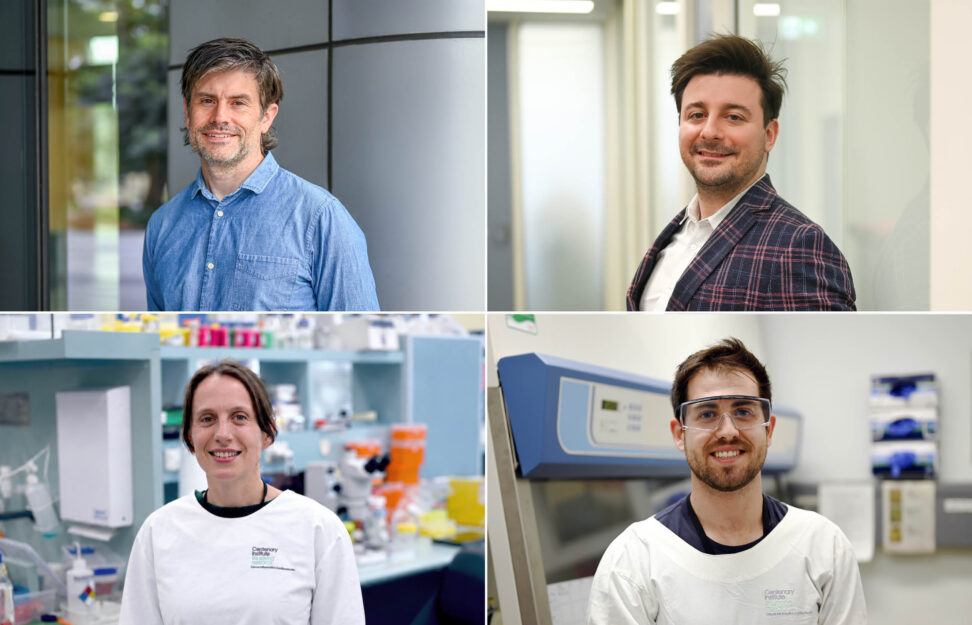
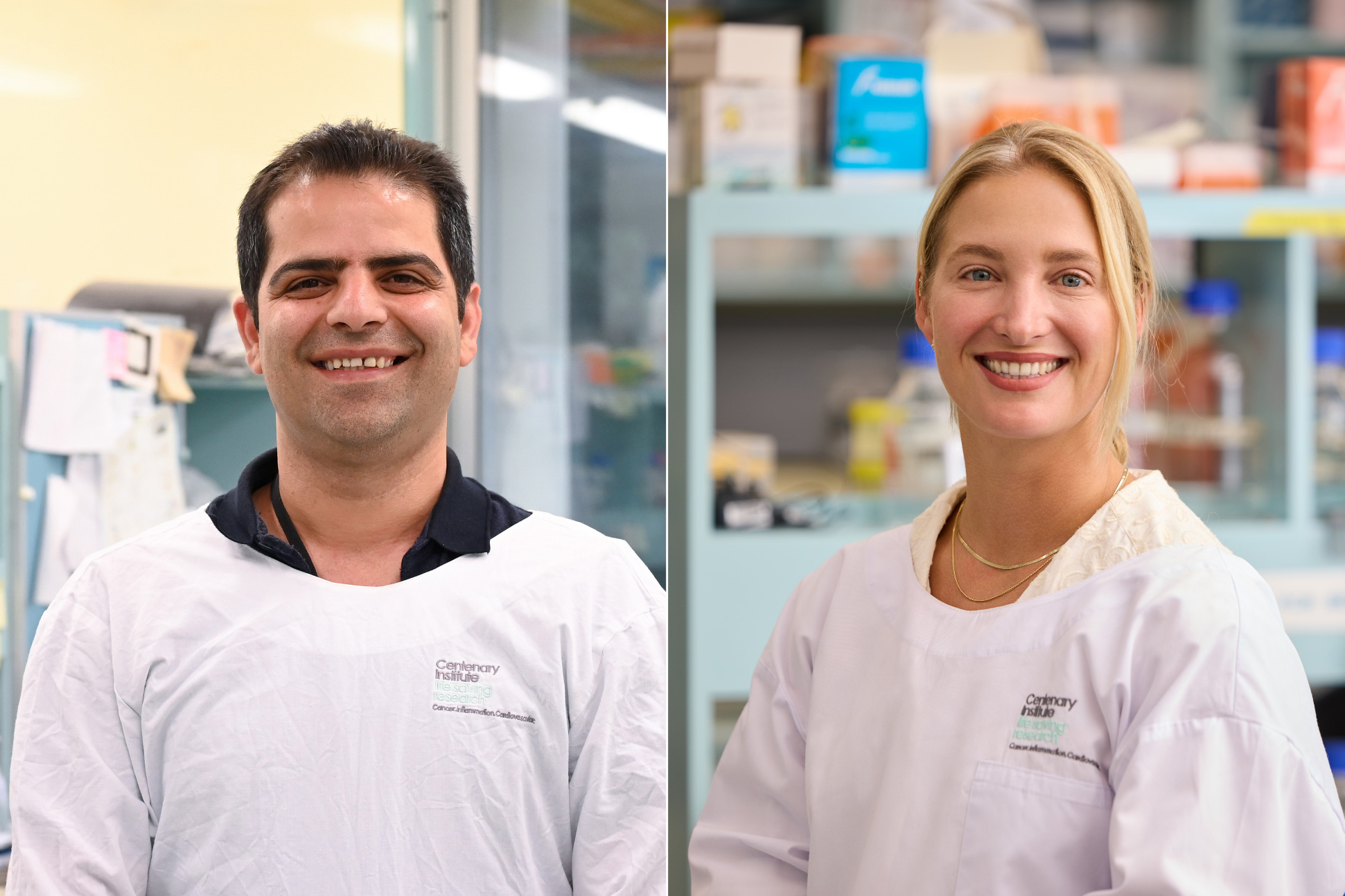
Clockwise from top left: Professor Colin Jackson, Dr Yagiz Aksoy, Dr Matt Johansen and Dr Elinor Hortle
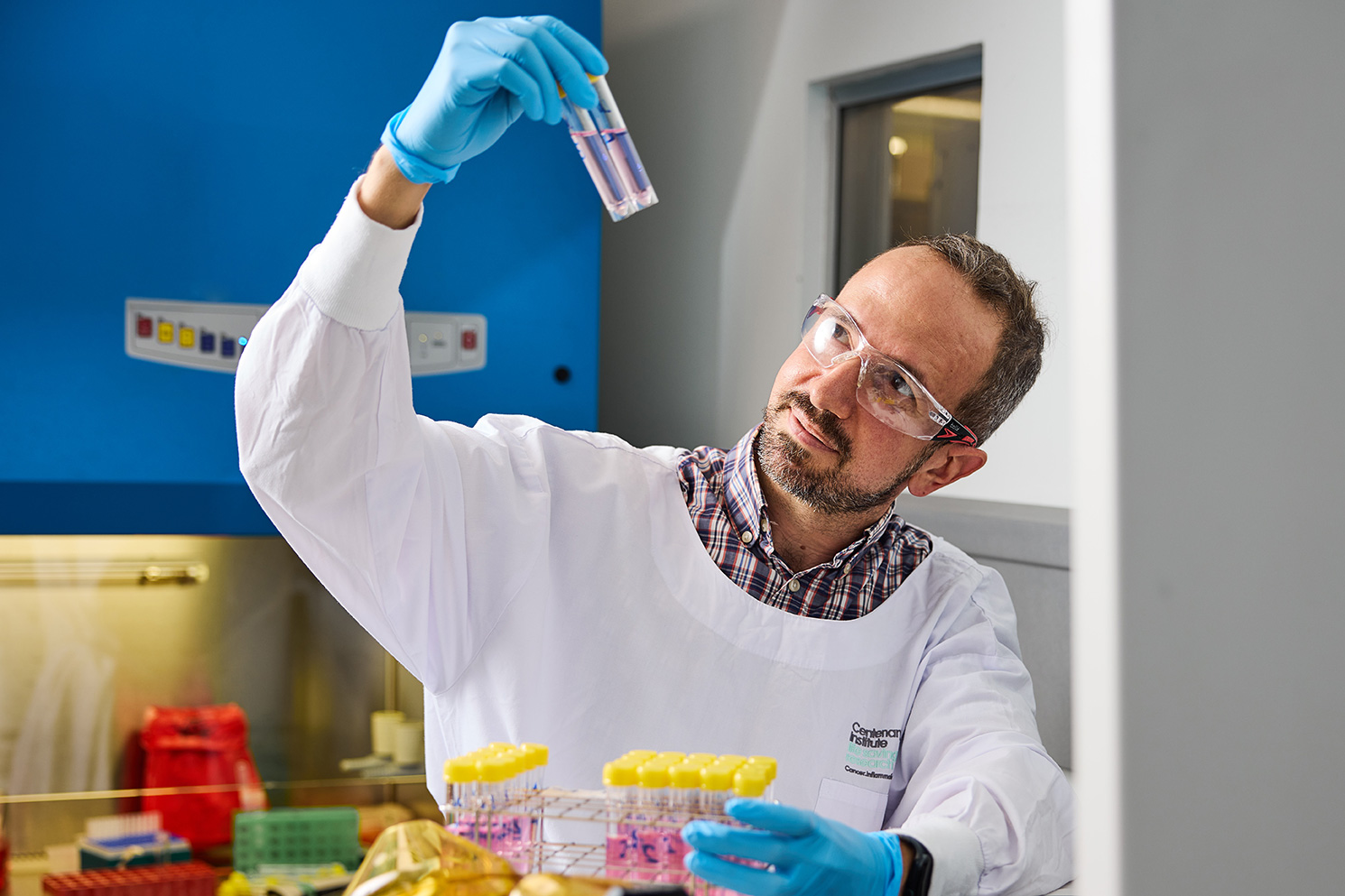
The Centenary Institute has established four new research laboratories, broadening its capabilities across the areas of infection and immunity, respiratory disease and biomedical artificial intelligence (AI).

The laboratories bring together researchers investigating major health challenges including tuberculosis (TB), influenza, chronic obstructive pulmonary disease (COPD) and melanoma. They also strengthen the Institute’s use of new technologies to better understand disease and explore potential avenues for developing new therapies.

Professor Colin Jackson leads the Jackson Laboratory within the Centre for Biomedical AI. His research investigates how proteins, the building blocks of life, work and evolve. Using computer modelling, machine learning and laboratory experiments, the team seeks to design proteins with new or improved functions. These includes proteins that support stem cell transplantation. The work aims to turn discoveries about proteins into new tools for biomedical research and potential future treatments.

Dr Yagiz Aksoy leads the Aksoy Laboratory also within the Centre for Biomedical AI. The laboratory develops AI systems to support complex decision-making in healthcare, with a focus on using these technologies safely and responsibly in real-world settings. Its research spans cancer prognosis, melanoma risk and screening, and eye disease including childhood myopia. Dr Aksoy was recently awarded a prestigious Sylvia and Charles Viertel Clinical Investigator Award to advance AI research focused on melanoma risk prediction and early detection.

Dr Elinor Hortle leads the Hortle Laboratory within the Centre for Infection & Immunity. The laboratory studies the innate immune system, which provides the body’s first line of defence against infection. Research is examining how this defence system can also contribute to disease, including by helping bacteria survive or by driving chronic inflammation. The research also studies specialised immune cells involved in respiratory diseases such as asthma, TB and COPD, as well as ways to regulate immune responses. The work aims to identify potential targets for new treatments for serious diseases.

The Johansen Laboratory, led by Dr Matt Johansen, is also part of the Centre for Infection & Immunity. The laboratory investigates how bacterial and viral infections, including TB, COVID-19 and influenza, interact with the immune system and contribute to different disease outcomes. Research also examines how factors such as age, sex and underlying chronic respiratory disease can affect the severity of infection. By understanding why infections affect people differently, the research aims to support the development of more tailored therapies and better patient outcomes.

Centenary Institute Executive Director Professor Marc Pellegrini said the new laboratories expand the Institute’s research expertise across several important areas.

“From cancer and TB to COPD and the immune system, these laboratories add to the breadth of research being undertaken at Centenary to better understand disease and improve health,” said Professor Pellegrini.

“Alongside this work we’re developing and applying new technologies including artificial intelligence, to further advance medical research. These technologies offer new ways to understand disease and improve diagnosis and treatment, with the potential to benefit patients and the broader community.”

The Centenary Institute now has 17 world-class medical research laboratories investigating a wide range of health challenges including cardiovascular disease, rare diseases and gene therapy, cancer, and infection and immunity.
Media enquires

For all media and interview enquiries, please contact Tony Crawshaw

Phone number Phone Number +61 402 770 403

Email Email t.crawshaw@centenary.org.au

Media Release

New laboratories strengthen Centenary Institute research

Download

Recent Stories

  • Scholarships awarded to support rare disease and cancer research

    Two Centenary Institute researchers have received scholarship funding to support work exploring new approaches to understanding inflammation and the immune system, with the aim of improving disease treatment.
    News Type: Research News
    Date 24 Sep 2026
  • Modified BCG vaccine strengthens protection against TB

    Researchers from the Centenary Institute and the University of Sydney have developed a modified version of the tuberculosis (TB) vaccine BCG that provided stronger and more sustained protection against TB. In preclinical tests in mice, the modified vaccine showed potential as a new approach to improving the effectiveness of TB vaccination. A bacterial infection caused ...
    News Type: Media release
    Date 15 Sep 2026
  • When Art Meets Science – People’s Choice and Staff Pick winners

    The winners of the People’s Choice and Staff Pick categories in the Centenary Institute’s ‘When Art Meets Science’ Prize have been announced, celebrating two striking scientific images that reveal the hidden detail and complexity of medical research.
    News Type: Community
    Date 02 Sep 2026
  • Student spotlight: Dr Thuy Luong

    Dr Thuy Luong’s journey into medical research began in the clinic, where his work as a dermatologist in Vietnam sparked a curiosity about the biological mechanisms behind skin disease.
    News Type: Profiles
    Date 27 Aug 2026

Subscribe to receive news on
research updates and free events

Newsletter

The Centenary Institute is a world-leading independent Medical Research Institute.

We acknowledge the Gadigal of the Eora Nation, the traditional custodians of the Country on which the Centenary Institute stands.

About

  • About us
  • Governance
  • Corporate information

Research

  • Our researchers
  • News

Careers & studies

  • Career opportunities
  • Student opportunities
  • Life at Centenary

Links

  • Contact
  • Privacy statement
  • Staff Intranet

Contact us

Building 93, Royal Prince Alfred Hospital
Missenden Rd
Camperdown NSW 2050 Australia
Telephone +61 2 9565 6100
Fax +61 2 9565 6101

Contact Privacy

Centenary Institute ABN 22 654 201 090 (DGR 1) • Centenary Institute Medical Research Foundation ABN 85 778 244 012 (DGR 2)
© 2017 Centenary Institute of Cancer Medicine and Cell Biology.

  • Linkedin
  • Facebook
  • Twitter
  • Youtube
  • Instagram